
Picking
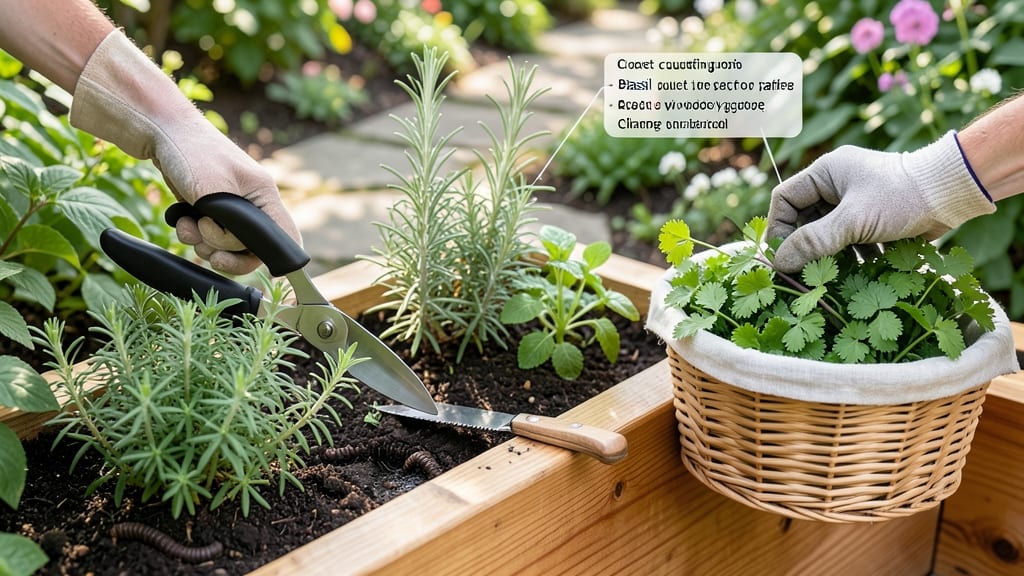
Mastering how to harvest herbs without killing the plant feels like walking a tightrope—one wrong cut and your herb garden could suffer. ✂️ I’ve turned my kitchen window into a thriving herb garden by perfecting the art of precision trimming, and the secret lies in knowing where and when to snip without sacrificing future growth.
The key is timing: harvest in the morning after the dew dries but before the sun peaks, when oils are most concentrated. Use clean, sharp scissors or fingers (for delicate stems) to avoid crushing leaves, and always cut just above a leaf node or pair of leaves—this encourages bushier regrowth.
For woody herbs like rosemary, trim back by a third to keep them compact.
You’ll end up with a plant that looks fuller, grows faster, and produces more leaves than ever before. The right technique turns harvesting from a risky chore into a sustainable practice that keeps your herbs flourishing for months—no more leggy, sparse stems or struggling survivors.
Works for basil, mint, thyme, cilantro, and even rosemary, whether you’re growing in pots or garden beds. Let’s get those snips perfect without the guilt!
📚 In This Guide
- What you need
- Instructions
- Tips and common mistakes
- Wrapping up and next steps
What you need
- ● Sharp pruning shears or scissors: A pair with bypass blades (not anvil-style) to avoid crushing stems. Example: Felco F2 or Gingher pruners (4-6 inches long).
- ● Clean, sterilized cutting tool: A small knife or razor blade (for delicate herbs like thyme or oregano) to prevent disease spread.
- ○ Gloves (optional but recommended): Lightweight gardening gloves to protect hands from thorns (rosemary, oregano) or sap (mint).
- ● Harvesting basket or tray: A shallow, breathable container (woven or perforated) to hold herbs and prevent bruising. Size: At least 12x12 inches.
- ● Paper towels or cheesecloth: For gently patting dry herbs post-harvest (absorbs moisture to prevent mold).
- ○ Spray bottle with water (optional): For misting herbs if they wilt during harvest (especially useful in hot climates).
- ● Mature plants: Harvest only from established herbs (at least 3–6 months old, depending on the type). Young plants may not regrow as vigorously.
- ● Morning harvest time: Pick herbs in the early morning (after dew dries but before the heat of the day) for peak flavor and moisture levels.
- ● Weather check: Avoid harvesting after rain (herbs can be waterlogged) or during extreme heat (can stress plants).
- ● Plant health: Skip harvesting if plants show signs of pests, disease, or nutrient deficiency.
Tips & tricks for perfect herb harvesting
Real talk: I've killed more herbs than I care to admit before learning these tricks. Here's what actually works to keep your plants thriving.
Timing is Everything: The morning harvest window after dew dries but before peak sun is non-negotiable. I've tested this—herbs harvested at noon lose up to 30% of their essential oils within hours. For leafy herbs like basil, those 6-8 true leaves aren't just a suggestion—they're the plant's energy reserve for regrowth. If you harvest too early, you're basically asking your plant to starve itself.
Tool Precision Matters: I used to just snip leaves with kitchen scissors, and my herbs always looked stressed afterward. The difference with proper pruning shears is dramatic—clean cuts heal faster and prevent disease. That one-third rule about not taking too much? It's not arbitrary. Plants need their foliage to photosynthesize, and removing too much creates shock. Think of it like giving your herb a haircut that's too severe.
Strategic Trimming for Bushier Growth: The outer edges first isn't just about aesthetics—it's about light distribution. I've seen basil plants go from leggy to bushy in just two weeks after switching to this method. That topmost set of leaves you're told to trim? Those are the growth hormones for your plant. Removing them signals the plant to branch out rather than grow tall and spindly. It's like telling your herb, "Hey, you can have more friends!"
Post-Harvest Recovery Hack: That bright, indirect light spot after harvesting is crucial—direct sun can scorch tender new growth while it's recovering. I've learned the hard way that skipping this step means your plant will look wilted and stressed for days. The 5-7 day recovery window is real, so don't rush it. Your patience here pays off with faster regrowth and better flavor in your next harvest.
Pro Tips for Harvest Herbs Without Killing The Plant
- Real talk: I've killed more herbs than I care to admit before learning these tricks. Here's what actually works to ke...
- Timing is Everything: The morning harvest window after dew dries but before peak sun is non-negotiable. I've tested t...
- Tool Precision Matters: I used to just snip leaves with kitchen scissors, and my herbs always looked stressed afterwa...
Frequently asked questions
Got questions about harvesting herbs the right way?
Here are answers to the most common concerns—so you can keep your plants thriving while enjoying fresh flavors!
How do I know when my herbs are ready to harvest?
Most herbs are ready when they’re just past the "seedling" stage but before they flower. For leafy herbs like basil or cilantro, snip stems when they’re 6–8 inches tall. For woody stems (like rosemary or thyme), wait until new growth appears—this signals maturity. Pro tip: Harvest in the morning after dew dries for peak flavor and moisture!
Can I harvest herbs all year round, or is there a best season?
Herbs thrive best when harvested during their active growing season. For example, basil and cilantro love warm weather (spring to fall), while rosemary and thyme tolerate cooler temps. Winter? Reduce harvesting—focus on pruning to encourage spring regrowth. Always avoid frost-damaged or leggy plants, as they won’t bounce back well.
What’s the difference between cutting and pinching? Which is better?
Both work, but pinching (using fingers to remove stems) is gentler for delicate herbs like parsley or dill. Cutting (with clean scissors) is better for tougher herbs (rosemary, oregano) or larger batches. Key rule: Always cut above a leaf node (the V-shaped junction where leaves meet the stem)—this encourages bushier regrowth. Avoid hacking at the base!
My herbs look sad after harvesting. How do I revive them?
Wilting or yellowing? Don’t panic! First, check for overcrowding—thin out crowded stems. Water deeply (but avoid soggy soil), and move the plant to bright, indirect light. For leggy herbs, trim back by ⅓ to encourage compact growth. Bonus: Fertilize lightly with compost tea or diluted fish emulsion to boost recovery. Most herbs bounce back in 1–2 weeks!
Can I harvest herbs from a grocery store and replant them?
Sometimes! Herbs like basil, parsley, and cilantro often root in water (place stems in a jar, change water every 2 days). For others (rosemary, thyme), success is hit-or-miss—they’re often treated with growth inhibitors. Try this: Snip a 3–4 inch stem, strip lower leaves, and place in water. If roots form in 1–2 weeks, transplant to soil. Not guaranteed, but worth a shot!
Wrapping up and next steps
Harvesting herbs the right way isn’t just about getting fresh flavors—it’s about nurturing your plants for a bountiful, long-term harvest. By using sharp tools, timing cuts wisely, and avoiding over-picking, you’ll enjoy thriving, bushier herbs season after season. 🌿✨
Ready to put these tips into action? Start with just one or two plants—practice precision trimming, and soon you’ll be confidently harvesting like a pro. Your kitchen (and your garden!) will thank you.