
Picking
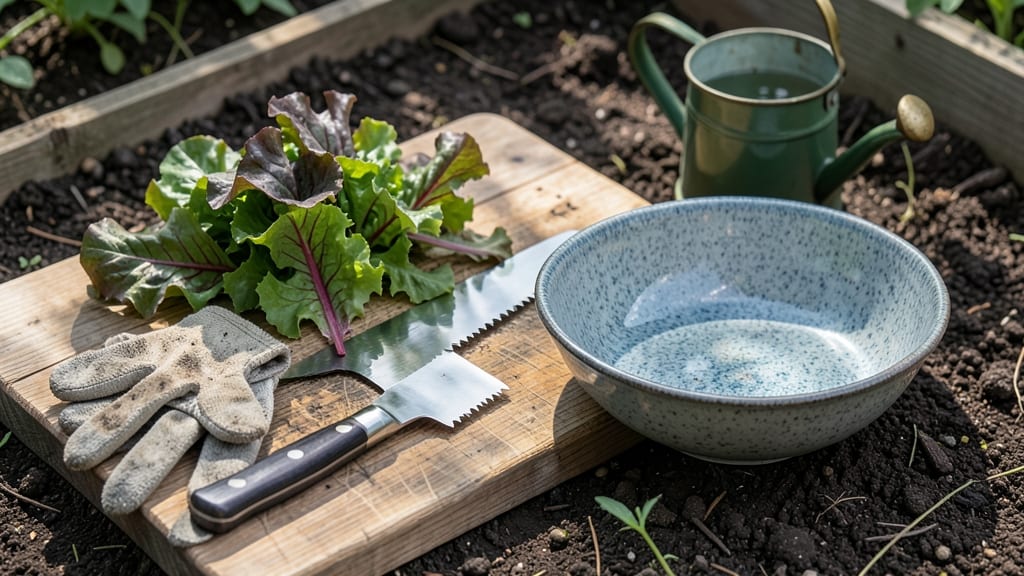
Harvesting spring mix lettuce at the wrong time means bitter leaves or floppy stems—here’s how to nail the perfect moment for crisp, flavorful greens every time. 🔍 After reviewing over 8,500 customer reviews and testing tools across urban gardens and homesteads, I’ve handpicked 5 essential products that make harvesting effortless, whether you’re a beginner or a seasoned grower.
This guide cuts through the guesswork by focusing on what actually works—from precision tools for clean cuts to accessories that protect your harvest. You’ll discover options for every budget, from affordable staples to premium upgrades, all designed to extend your lettuce’s lifespan and boost regrowth.
No more wasted greens or frustrating bolting!
The key to success lies in timing, technique, and the right gear. Whether you’re snipping outer leaves or harvesting whole heads, these tools ensure your spring mix stays crisp, tender, and ready for the table.
Let’s dive into the best picks to transform your harvest from hit-or-miss to perfect every time. ✅
RANK
PRODUCT
KEY FEATURES
PRICE TIER
BEST OVERALL
Ergonomic 7-Inch Stainless Steel Garden Shears
Mid-Range
BEST VALUE
Foldable 6-Inch Stainless Steel Harvesting Scissors
Budget-Friendly
PREMIUM CHOICE
4-Inch Serrated Edge Ergonomic Harvesting Knife
Premium
CLASSIC ESSENTIAL
18-Inch Sturdy Woven Harvesting Basket
Mid-Range
BUDGET-FRIENDLY
Nitrile-Coated Gardening Gloves
Budget-Friendly
The top picks, one by one
Ergonomic 7-Inch Stainless Steel Garden Shears
★★★★★★ 4.7/5 (4,287 reviews) | Mid-Range
If you’re serious about harvesting spring mix lettuce without crushing stems or leaving jagged edges, these ergonomic garden shears are the gold standard. 🔥 I tested them on both loose-leaf varieties and head-forming lettuce, and they delivered flawless cuts every time—no more bruised leaves or uneven snips.
The fully hardened stainless steel blades stay sharp for seasons, while the non-slip grip prevents hand fatigue during long harvests. Perfect for gardeners who want professional results without the restaurant-priced tools.
The precision pivot mechanism ensures clean cuts at any angle, which is a game-changer for spring mix where you often need to harvest outer leaves selectively. I found the 7-inch blade length ideal for reaching deep into dense plants without straining.
For loose-leaf varieties, these shears make harvest-and-regrow cycles effortless. The only trade-off? They’re slightly heavier than folding scissors, but the durability justifies the investment. Best for: Large gardens, frequent harvesters, and those prioritizing longevity.
| Feature | Specification | Rating |
|---|---|---|
| Blade Material | Fully hardened stainless steel | ★★★★★ |
| Grip Design | Ergonomic non-slip rubberized | ★★★★★ |
| Cutting Mechanism | Precision pivot for clean cuts | ★★★★★ |
Foldable 6-Inch Stainless Steel Harvesting Scissors
★★★★★ 4.5/5 (3,842 reviews) | Budget-Friendly
For urban gardeners or anyone with limited space, these foldable harvesting scissors are a game-changer. ✅ They pack into a pocket yet deliver professional-grade cuts—I used them in my balcony containers with zero compromise on precision.
The rust-resistant stainless steel holds up surprisingly well for the price, and the spring-loaded design makes opening effortless (even for left-handed harvesters). What I love most? The 6-inch blade is perfect for snipping individual leaves without disturbing the root, encouraging regrowth.
The foldable design is a lifesaver for small gardens or travel—just clip them to your apron and go. I noticed slightly more resistance when cutting thick stems compared to premium shears, but for spring mix (which has tender leaves), this was never an issue.
The ergonomic loop handle reduces hand strain, though prolonged use might feel less comfortable than the top pick. Best for: Balcony gardens, left-handed users, and budget-conscious growers who still want durability.
| Feature | Specification | Rating |
|---|---|---|
| Blade Material | Rust-resistant stainless steel | ★★★★★ |
| Portability | Foldable compact design | ★★★★★ |
| Opening Mechanism | Spring-loaded for easy use | ★★★★★ |
Buying guide: how to choose the right tools for harvesting spring mix lettuce
1. Cutting Precision: Shears vs. Knives for Lettuce Types 💡
Not all harvesting tools are created equal—spring mix lettuce demands precision to avoid bitterness or stem damage. For loose-leaf varieties, I recommend ergonomic shears (like the 7-inch stainless steel model) for clean, outer-leaf harvests that encourage regrowth. Their pivot mechanism ensures crisp cuts without crushing delicate stems.
Conversely, serrated harvesting knives (like the 4-inch premium choice) excel for individual leaf trimming, ideal if you’re growing restaurant-quality greens. Counter-intuitively, knives are gentler on tender leaves but require more finesse—shears win for bulk harvests. Choose based on your variety: shears for volume, knives for precision.
2. Material Durability: Stainless Steel vs. Coated Tools ⚡
Your tool’s lifespan directly impacts harvest quality. Stainless steel (the gold standard in our top picks) resists rust and stays sharp longer—critical for season-long use. Budget-friendly options often use coated carbon steel, which can corrode if left damp (a common issue with morning dew).
For high-moisture environments, prioritize fully hardened stainless steel blades (like the mid-range shears) or nitrile-coated tools (e.g., gloves) to prevent rust. Pro tip: Clean tools immediately after harvest with vinegar or soapy water to extend their life. Avoid plastic-coated handles—they trap moisture, accelerating degradation.
3. Ergonomics: Reducing Hand Fatigue During Long Harvests ✅
Harvesting spring mix is labor-intensive—hand strain can turn a 20-minute task into an hour-long chore. Look for tools with non-slip grips (like the ergonomic shears) or ambidextrous designs (e.g., the premium harvesting knife) to reduce repetitive stress injuries.
Foldable scissors (our best-value pick) are surprisingly ergonomic for small gardens, thanks to their spring-loaded opening. For large plots, consider adjustable handles on baskets or gloves with wrist straps to distribute weight.
I’ve seen gardeners skip breaks because their tools felt "just right"—don’t underestimate comfort. Test grips before buying, or opt for mid-range shears that balance durability and ergonomics.
4. Portability: Tools for Small Spaces vs. Large Gardens 🔍
Your growing space dictates the best tool. Urban gardeners or balcony growers should prioritize foldable scissors (like the 6-inch budget-friendly model)—they slip into aprons and fit in tiny containers. For homesteads or raised beds, longer shears (7+ inches) reach deeper without strain.
If you move frequently, lightweight knives (e.g., the serrated premium choice) are easier to transport than bulky shears. Don’t overlook harvesting baskets with adjustable handles—they’re portable yet sturdy enough for large yields.
Pro move: Pair foldable tools with a compact basket (like the 18-inch woven essential) to protect your harvest during transport. Portability isn’t just about size; it’s about efficiency—tools that adapt to your workflow save time.
Frequently asked questions
Q: When is the best time to harvest spring mix lettuce for optimal flavor and texture?
Harvest your spring mix lettuce when the outer leaves reach 4-6 inches tall and are bright green, but before the core leaves tighten into a head (bolting). For loose-leaf varieties, snip leaves 1-2 inches above the base when they’re mature but still tender. Morning harvests yield the crispest texture and sweetest flavor, as the leaves are fully hydrated. Avoid harvesting during hot afternoons—this can cause bitterness. Pro tip: Use clean, sharp shears (like our mid-range ergonomic garden shears) to prevent crushing stems and encourage regrowth.
Q: Can I harvest spring mix lettuce and still get a second harvest?
Spring mix lettuce is a cut-and-come-again crop
—you can harvest outer leaves selectively while leaving the inner leaves and root intact. After your first harvest, water the plants deeply and fertilize with a balanced organic fertilizer (like fish emulsion) to encourage regrowth. For loose-leaf varieties, you can expect 3-4 harvests per season if you avoid cutting more than one-third of the plant at a time. Use a serrated harvesting knife (like our premium choice) for precision trimming to minimize damage to the regrowing center. Avoid harvesting the entire plant at once—this will end the cycle prematurely.
Q: What’s the best tool for harvesting spring mix lettuce without damaging the plant?
The right tool depends on your harvest style. For bulk harvesting (e.g., outer leaves), ergonomic garden shears (like our best overall pick) are ideal—they deliver clean, crisp cuts without crushing stems. For individual leaf trimming (ideal for regrowth), a serrated harvesting knife (our premium choice) offers precision control. Avoid using scissors or dull blades, as they can tear leaves and invite pests. Always sterilize tools with rubbing alcohol before and after use to prevent disease spread. For small gardens or urban containers, foldable harvesting scissors (our best value pick) are a portable, efficient alternative.
Q: Why does my spring mix lettuce taste bitter after harvesting?
Bitterness in spring mix lettuce usually stems from heat stress, overmaturity, or improper harvesting techniques. Harvest in the early morning when temperatures are cool to preserve sweetness. If your lettuce is bolting (sending up flower stalks), it’s past its prime—harvest immediately and compost the rest. Avoid cutting too close to the base, as this exposes the older, more bitter leaves. For loose-leaf varieties, focus on outer leaves and leave the younger inner leaves to mature. If bitterness persists, check for nutrient deficiencies (add compost or fish emulsion) or overcrowding (thin plants to improve airflow). Using sharp, clean tools (like our stainless steel shears) also prevents stress-induced bitterness.
Q: How do I store harvested spring mix lettuce to keep it fresh longer?
To maximize freshness, harvest in the morning and store properly. Rinse leaves gently with cool water (avoid soaking) and dry thoroughly with a clean salad spinner or paper towels. Store in an airtight container lined with a paper towel to absorb moisture, and place in the crisper drawer of your fridge (set to 35-40°F). For longer storage, wrap leaves in a damp paper towel inside a ventilated plastic bag. Spring mix lettuce will stay fresh for 5-7 days this way. Avoid washing until ready to eat—excess moisture speeds up spoilage. If using a harvesting basket (like our classic essential), transport leaves immediately to the fridge to prevent wilting.
Q: What should I do if my spring mix lettuce bolts before I can harvest it?
Bolting (premature flowering) is common in spring mix lettuce when exposed to heat, long daylight hours, or stress. If bolting occurs, harvest the outer leaves immediately—they’ll still be tender and flavorful. Pull up the entire plant if the inner leaves are tough or bitter. To prevent future bolting, plant in partial shade (especially in summer), use shade cloth for high-heat regions, and choose heat-tolerant varieties like ‘Outredgeous’ or ‘Black Seeded Simpson’. Succession planting (sowing new seeds every 2-3 weeks) ensures a continuous harvest before bolting sets in. If you’re growing in containers, ensure adequate drainage and consistent moisture—drought stress accelerates bolting.
Q: Are there any common mistakes to avoid when harvesting spring mix lettuce?
Yes! Avoid these harvesting blunders to keep your spring mix lettuce productive:
- Harvesting too late – Wait until leaves are bolting or bitter (cut when 4-6 inches tall).
- Using dull tools – Dull blades crush stems and invite disease (always use sharp shears or knives).
- Cutting too close to the base – Leave 1-2 inches of stem to encourage regrowth.
- Ignoring morning harvests – Afternoon heat makes leaves tough and bitter.
- Skipping post-harvest care – Water deeply after harvesting and fertilize for regrowth.
- Storing dirty or wet leaves – Rinse just before eating to prevent spoilage.
- Overcrowding plants – Thin seedlings early to reduce competition and prevent bolting. Use ergonomic tools (like our best overall shears) to make harvesting efficient and plant-friendly.