
Pests
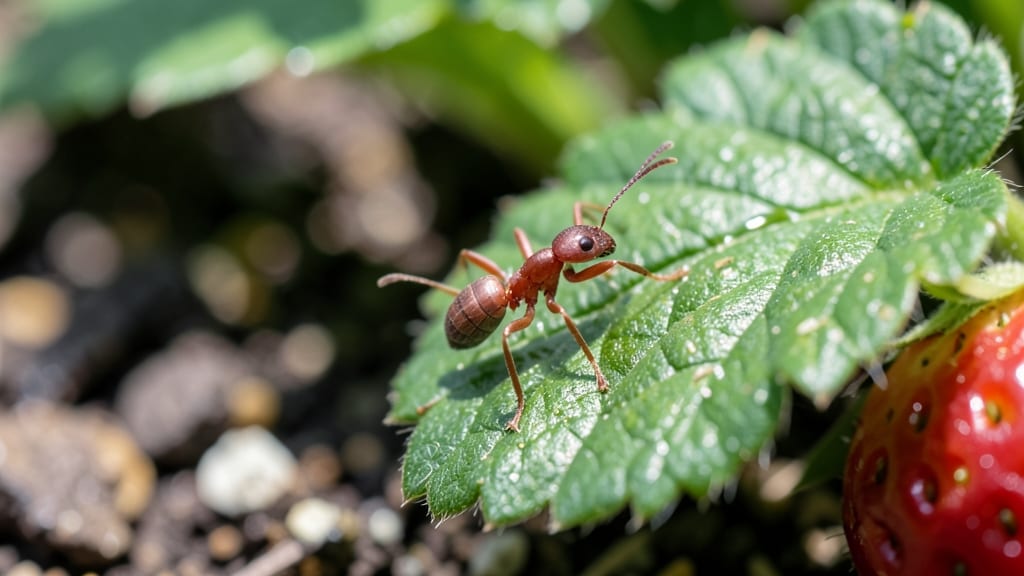
Strawberry plants get devoured faster than you can say "how to keep bugs from eating strawberries"—until I discovered this neem oil barrier trick that confuses pests away without harming your fruit.
The secret isn’t just spraying—it’s layering defenses: a physical barrier (like row covers), neem oil’s scent disruption, and companion plants that mask strawberry smells. Most gardeners focus on one tactic and still lose crops. This combo works even when others fail.
You’ll end up with plump, pest-free berries while keeping your garden chemical-free. The neem oil doesn’t just repel—it throws off pests’ navigation so they avoid your plants entirely.
Works for slugs, Japanese beetles, aphids, and even hungry birds. Here’s how to set it up right the first time.
📚 In This Guide
- What you need
- Instructions
- Tips and common mistakes
- Wrapping up and next steps
What you need
- ● Neem oil (100% pure, cold-pressed): 2–4 tablespoons (adjust based on garden size)
- ○ Horticultural oil or vegetable oil (optional but recommended): 1 tablespoon (helps mix neem oil better)
- ● Water: 1 quart (32 oz) for dilution
- ● Spray bottle or garden sprayer: 16–32 oz capacity (with a fine mist nozzle)
- ● Measuring cups/spoons: For precise oil-to-water ratios
- ○ Gloves (optional but wise): To protect your skin from irritation
- ● Strawberry plants: Your existing garden or freshly planted berries!
- ● Dish soap (mild, unscented): ½ teaspoon (acts as an emulsifier if oil separates)
- ● Garlic or chili pepper spray: 1–2 tablespoons (adds extra pest-deterring power!)
- ● Row covers or netting: For physical protection (use if bugs are relentless)
- ● Label maker: To mark your spray mix (avoid reapplying to edibles too soon)
Step-by-step instructions for creating a neem oil barrier against strawberry pests
This organic method disrupts pests' feeding patterns while protecting your berries—no harsh chemicals needed.
Identify and Clear Existing Pest Hotspots
Before applying neem oil, scout your strawberry beds for current infestations. Focus on undersides of leaves, new growth, and along stems where aphids, spider mites, and slugs hide. Remove heavily damaged foliage immediately—it attracts more pests. I use a handheld magnifying glass to spot tiny eggs or larvae clusters, especially in leaf axils where they blend into the plant.
For slugs and snails, check the soil surface at dusk when they're most active. Clear away any visible pests by hand (wear gloves) and drop them into soapy water. This prep step ensures your neem barrier works on a clean slate. If you see more than a few pests, repeat this process daily for 3 days before applying neem oil—it won't be as effective if pests are already established.
Prepare the Neem Oil Solution
Mix 1 tablespoon of pure, cold-pressed neem oil with 1 teaspoon of mild liquid soap (like Castile soap) in a quart of lukewarm water. The soap acts as an emulsifier so the oil disperses properly. Stir vigorously for 30 seconds until fully combined. I use a glass jar with a tight lid for mixing—plastic can absorb the oil's strong odor.
This ratio creates a 1% neem oil solution, strong enough to deter pests but gentle enough for regular application. Never use cooking oils or diluted neem products—they won't provide the same pest-confusing properties. Store any unused solution in a cool, dark place for up to 5 days, but I recommend using it fresh for maximum effectiveness.
Apply the Barrier to Plant and Soil
Spray the solution evenly over all leaf surfaces, focusing on the undersides where pests hide. Use a fine-mist sprayer to avoid runoff—you want the oil to coat the leaves without dripping. Apply until the leaves glisten slightly, but don't create puddles. I work in the early morning when temperatures are above 55°F but below 85°F—extreme heat causes the oil to volatilize too quickly.
Next, create a soil barrier by mixing 1 teaspoon of neem oil with 1 gallon of water (no soap needed for soil). Pour this around the base of each plant, 2-3 inches from the stem, to deter slugs and crawling insects. The key is consistency—apply this soil treatment every 7-10 days during peak pest season (late spring through early summer).
Reapply Strategically to Maintain Protection
Reapply the foliar spray every 5-7 days or after heavy rain, which washes the oil away. I schedule applications on Monday and Thursday mornings so I remember consistently. If you notice new pest activity, increase frequency to every 3-4 days until the infestation clears. The oil's active compounds break down in 24-48 hours, so timing matters.
Rotate application methods to prevent resistance. After 3 weeks of foliar sprays, switch to a neem oil dust (mix 1 tablespoon neem oil with 1 cup diatomaceous earth) around plant bases. This confuses pests' scent trails while adding a physical barrier. Always wear gloves and a mask when handling diatomaceous earth—it's abrasive to lungs and skin.
Enhance with Companion Planting
While neem oil works alone, pairing it with strawberry companion plants multiplies effectiveness. Interplant with garlic, chives, or thyme—their strong scents mask the strawberry's fragrance, which attracts pests. I also add marigolds at the bed's edges; their nepetalactone compound repels aphids and spider mites naturally.
Mulch with straw or wood chips to create a physical barrier against slugs and crawling insects. Keep mulch 2-3 inches deep but avoid piling it against stems to prevent rot. Water the bed deeply once weekly to encourage strong root growth—healthy plants fend off pests better. Combine these methods with your neem applications for a multi-layered defense system that pests can't penetrate.
Tips & tricks for organic strawberry pest protection
These practical strategies will help you maximize your neem oil barrier's effectiveness while avoiding common pitfalls that waste time and effort.
Timing is Everything: The 24-48 hour window when neem oil's active compounds break down is crucial. Apply your foliar spray in the early morning when temperatures are above 55°F but below 85°F—this gives the oil time to work before the heat of the day causes it to volatilize too quickly. I've found that applying right after dew has evaporated (around 7-8 AM) gives the best coverage without runoff. The oil needs this time to properly coat the leaves and disrupt pests' feeding patterns before they become active.
Equipment Matters: Don't underestimate the importance of your sprayer—use a fine-mist sprayer for the foliar application to ensure even coverage without runoff. I've tried hand sprayers with inconsistent results; a dedicated horticultural sprayer gives you the control to reach all leaf surfaces, especially the undersides where pests hide. For the soil barrier, a simple watering can with a narrow spout works perfectly to direct the solution precisely where you need it. Clean your equipment thoroughly after each use to prevent oil buildup that could clog sprayers.
Consistency Creates Results: The key to long-term pest control lies in maintaining the 5-7 day reapplication schedule during peak pest season. I've learned this the hard way—skipping applications even once allows pests to regain their footing. Create a simple calendar reminder for Monday and Thursday mornings to make this consistent schedule automatic. When you notice new pest activity, don't hesitate to increase frequency to every 3-4 days until the infestation clears. The oil's effectiveness depends on this regular disruption of pests' life cycles.
Companion Planting Synergy: While neem oil works effectively alone, pairing it with companion plants like garlic, chives, or thyme creates a multi-sensory defense system. These plants release volatile compounds that mask the strawberry's scent, which naturally attracts pests. I've found that planting marigolds at the bed's edges provides an additional chemical barrier—their nepetalactone compound actively repels aphids and spider mites. This layered approach confuses pests at multiple sensory levels, making your strawberry plants far less appealing targets.
Pro Tips for Keep Bugs From Eating Strawberries
- These practical strategies will help you maximize your neem oil barrier's effectiveness while avoiding common pitfalls that waste time and effort.
- Timing is Everything: The 24-48 hour window when neem oil's active compounds break down is crucial.
- Equipment Matters: Don't underestimate the importance of your sprayer—use a fine-mist sprayer for the foliar application to ensure even coverage without runoff.
Frequently asked questions
about keeping bugs away from your strawberries—because nobody wants to share their harvest with pests!What’s the best time of day to apply neem oil to strawberry plants?
Apply neem oil in the early morning or late evening when temperatures are cooler (below 85°F). This prevents the oil from burning plant leaves and ensures it sticks better. Avoid midday heat—it can dry out the solution too quickly, reducing effectiveness.
How often should I reapply neem oil for strawberries?
Reapply neem oil every 7–14 days or after heavy rain, as it breaks down over time. For severe infestations, use it weekly until pests diminish. Always mix fresh solution—old oil loses potency and may harm plants.
Are there natural alternatives to neem oil for strawberries?
Yes! Try these DIY pest deterrents:
- Garlic spray: Blend garlic with water, strain, and spray on leaves (repels aphids and slugs).
- Diatomaceous earth: Sprinkle lightly around plants (kills crawling pests like slugs).
- Row covers: Use lightweight fabric to block bugs entirely (great for early-season protection).
Why do bugs keep coming back after I treat my strawberries?
Pests may return if:
- You’re not covering the soil (e.g., mulch attracts slugs).
- The infestation is severe—try a combo of neem oil + insecticidal soap.
- You’re missing hidden pests (check undersides of leaves for eggs).
- Weather washes off treatments—reapply after rain.
Can I use neem oil on strawberries right before harvest?
Wait 3–5 days after applying neem oil before harvesting. While neem is organic, residue can leave a bitter taste. For immediate harvests, opt for physical barriers (like row covers) or pyrethrin-based sprays (follow label instructions). Always rinse berries before eating!
Wrapping up and next steps
Keeping bugs at bay from your strawberries doesn’t have to be a battle—with neem oil, a little patience, and the right techniques, you can protect your harvest naturally and effectively. 🌱 From creating a confusing barrier to maintaining a clean garden, these strategies work without harsh chemicals.
Your strawberries will thrive, and you’ll enjoy that sweet, juicy reward without the pest-related stress!
Ready to put your newfound knowledge into action? Start by treating your plants this weekend—your future strawberry feasts will thank you! 🍓✨