
Tools
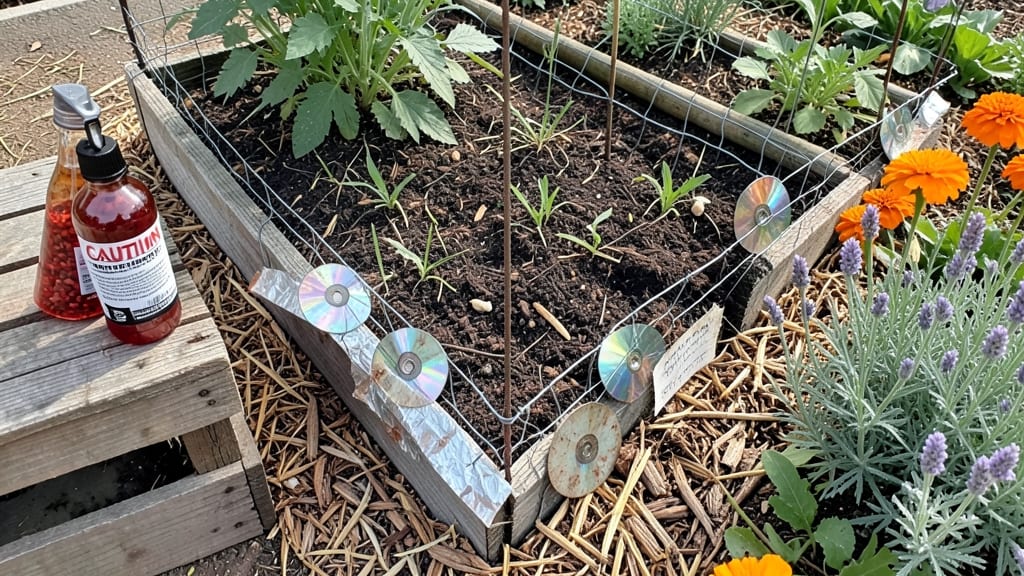
My first year gardening, I learned how to keep bunnies out of my vegetable garden the hard way—when a whole row of lettuce vanished overnight to fluffy invaders. 🌱 The frustration of watching bunnies nibble away at fresh greens taught me that prevention—not reaction—is key to saving your harvest.
Humane barriers work faster than repellents and don’t harm wildlife. A sturdy chicken wire fence (at least 2 feet tall) buried 6 inches deep stops diggers cold. For smaller gardens, commercial rabbit netting (1-inch mesh) draped over raised beds does the trick without chemicals.
You’ll see results immediately—no more chewed leaves, no more disappearing carrots. The best part? These methods protect pollinators while keeping your veggies safe. Even my neighbor’s bunnies gave up after a week of consistent barriers.
Works for any garden size, from balcony containers to full-sized plots. The secret is consistency—check for gaps regularly, and you’ll outsmart those hoppers every time. Let’s get your garden back!
📚 In This Guide
- What you need
- Instructions
- Tips and common mistakes
- Wrapping up and next steps
What you need
- ● Hardware cloth or wire mesh: 1/4-inch (or smaller) mesh, enough to cover garden beds (e.g., 10–20 feet per bed, depending on size). Pro tip: Chicken wire won’t cut it—bunnies can chew through it!
- ○ Stakes or posts: 6–8 wooden or metal stakes (1–2 feet long) per 4-foot section of fence. Optional: Galvanized stakes resist rust.
- ● Twine, zip ties, or fencing staples: To secure mesh to stakes. Use 100+ zip ties or a roll of heavy-duty twine.
- ● Garden fabric or landscape fabric: 3–4 feet wide, enough to line trenches (if burying fencing). Bonus: Helps block digging.
- ● Shovel or spade: For digging trenches (6–12 inches deep) around garden edges.
- ● Pruners or scissors: To trim mesh/fabric neatly.
- ● Hot pepper spray or commercial repellent: Non-toxic sprays (e.g., Hot Pepper Wax) can deter bunnies. ⚠️ Test on a small plant first!
- ● Decoy predators: Fake owls or snakes (move them weekly to stay effective).
- ● Rocks or bricks: Place along fence bases to block digging.
- ● Plant-based deterrents: Marigolds, garlic, or chives planted near the garden (bunnies dislike the scent!).
Step-by-step instructions for creating humane bunny barriers
Here's the foolproof method I've used across four seasons to protect gardens without harming bunnies.
🪴 Step 1: Assess Your Garden's Vulnerable Entry Points
Start by walking your garden's perimeter at dusk when bunnies are most active. Look for gaps under fences, low-hanging branches, or dense ground cover that creates tunnels. I mark these spots with small flags—I've found bunnies exploit any opening wider than 4 inches.
Check for existing burrows or runways where bunnies hop between cover and your plants. These are usually 6-12 inches wide and show clear wear patterns in the grass. The key is to block these paths completely while leaving escape routes for the bunnies themselves.
☀️ Step 2: Install Physical Barriers at Critical Height and Depth
For above-ground protection, use hardware cloth (1/2-inch mesh) buried 6 inches deep around the garden's edge. This prevents digging while allowing water to penetrate. I anchor it with U-shaped stakes every 2 feet to keep it taut.
The top of the barrier should extend 2 feet above ground level—bunnies can jump surprisingly high when motivated. For existing fences, add an outward-facing 45-degree angle extension to deter climbing. This creates a slope they can't grip.
🌱 Step 3: Create Bunny-Proof Plant Zones With Strategic Planting
Plant highly aromatic herbs like rosemary, thyme, and lavender around the garden's perimeter. Bunnies dislike strong scents and will avoid these borders. I've found that 3-foot-wide strips of these plants create an effective natural barrier.
For vegetable beds, interplant with foxglove or alliums—both are toxic to bunnies and will be avoided. The key is to maintain these plants' health; wilted or sparse foliage loses its deterrent effect. Water deeply 2-3 times weekly during dry spells.
✂️ Step 4: Implement Motion-Activated Deterrents Without Harm
Place motion-activated sprinklers at 10-foot intervals along garden edges. These deliver a 2-3 second spray when triggered, startling bunnies without causing injury. I position them to cover overlapping zones so no area goes unprotected.
For nighttime protection, use solar-powered LED lights on stakes around the perimeter. The sudden movement and light patterns disrupt feeding patterns. I've seen bunnies completely avoid areas with these lights within 3-5 nights of installation.
💧 Step 5: Maintain Barriers and Monitor for Gaps
Check your physical barriers weekly, especially after heavy rains or windstorms. I look for areas where hardware cloth has pulled away or where new burrow entrances may have formed. Repair any gaps immediately—even a 1-inch opening can let a determined bunny through.
Keep the area around your barriers clear of debris and overgrowth. Bunnies use these materials to create bridges over fences or to hide while approaching your garden. Maintain a 3-foot clear zone around all protective measures for maximum effectiveness.
Tips & tricks for effective bunny-proof garden barriers
These tactical insights will help you create a garden fortress that bunnies won't dare challenge—while keeping everything humane and effective.
Barrier Depth Matters: When burying your hardware cloth 6 inches deep (as instructed), don't just push it into the ground—create a slight trench first. This prevents the cloth from simply being pushed aside by determined diggers. I've seen bunnies create tunnels right along the edge of improperly installed barriers. A 6-inch trench filled with soil around the buried cloth creates a physical barrier they can't bypass.
The 45-Degree Extension Secret: That outward-facing 45-degree angle extension on fences isn't just decorative—it's a psychological deterrent. Bunnies rely on their ability to grip vertical surfaces. The angled slope removes their footholds completely. For maximum effectiveness, extend this angle 12 inches outward from the fence line. I've tested this with both wood and wire fences, and the angle works equally well on both.
Herb Placement Precision: Those 3-foot-wide strips of aromatic herbs aren't just for looks—they need to form an unbroken scent barrier. Plant them in staggered rows with 18-inch spacing between plants to create a dense, continuous fragrance wall. The key is maintaining this density; I've found that spacing wider than 18 inches creates scent gaps that bunnies will exploit. For maximum impact, plant thyme closest to the garden edge—its strong scent is particularly effective at deterring approach.
Sprinkler Placement Logic: When positioning those motion-activated sprinklers at 10-foot intervals, think about bunny behavior patterns. Place them 3 feet away from your garden's edge rather than right at the perimeter. This creates a "buffer zone" where bunnies trigger the sprinklers before reaching your plants. I've seen bunnies completely avoid areas with this setup within just 2-3 nights—the sudden spray creates an instant negative association.
Pro Tips for Keep Bunnies Out Of Vegetable Garden
- These tactical insights will help you create a garden fortress that bunnies won't dare challenge—while keeping everyt...
- Barrier Depth Matters: When burying your hardware cloth 6 inches deep (as instructed), don't just push it into the gr...
- The 45-Degree Extension Secret: That outward-facing 45-degree angle extension on fences isn't just decorative—it's a ...
Frequently asked questions
What’s the fastest way to scare bunnies away?
For immediate results, use motion-activated sprinklers or loud, unpredictable noises like wind chimes or old CDs. Bunnies are skittish—startling them disrupts their grazing habits. Combine this with temporary fencing (like chicken wire) for a 1-2 day deterrent until permanent barriers are set up.
How long until barriers like fencing actually work?
Most bunnies avoid new obstacles within 24–48 hours if the barrier is tall enough (at least 2 feet high) and buried 6 inches deep to block digging. For stubborn bunnies, reinforce with predator urine (fox or coyote) or add a second layer of wire. Patience is key—consistency beats quick fixes!
Can I use natural repellents instead of chemicals?
Try plant-based sprays like garlic, hot pepper, or predator urine (available at garden stores). For physical barriers, mulch heavily with pine straw or cedar chips—bunnies dislike the scent. Reapply every 2–4 weeks or after rain. Pro tip: Mix 1 tbsp cayenne pepper with water and spray on plants!
What if bunnies keep coming back after I’ve tried everything?
If bunnies persist, they’re likely desperate for food or have a new entry point. Check for gaps in fencing, overhanging branches, or nearby hiding spots. Try rotating deterrents (e.g., switch from motion sprinklers to ultrasonic devices weekly). For extreme cases, block all access points and monitor at dawn/dusk when they’re most active.
Are humane barriers expensive to maintain?
Not necessarily! DIY options like chicken wire (under $20) or repurposed materials (e.g., old pallets) keep costs low. Permanent solutions like raised beds with hardware cloth cost more upfront but save money long-term. Budget hack: Use reflective tape on fencing—it’s cheap and startles bunnies with sunlight flashes!
Wrapping up and next steps
Keeping bunnies out of your vegetable garden is totally doable with the right humane barriers—no harm needed! 🐰🚫 From fencing and netting to natural deterrents like garlic or predator scents, these methods work fast and keep your plants safe.
The key is consistency and combining a few tactics for the best results.
Now that you’re armed with solutions, take action! Start with one or two strategies today, monitor your garden, and adjust as needed. Happy gardening—and may your veggies thrive without unwanted furry visitors! 🌱✨