
Companion Plants
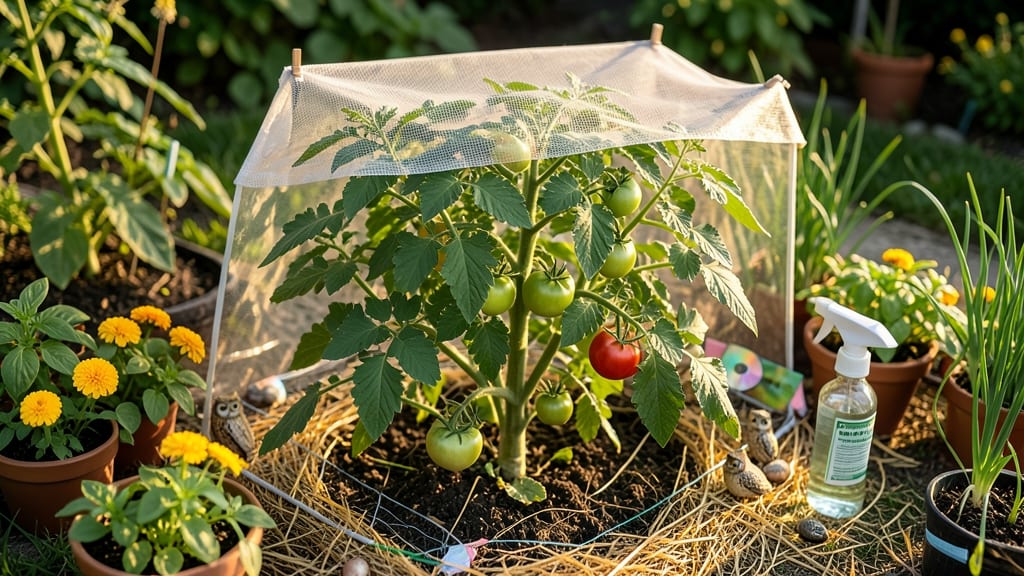
How to keep critters away from tomato plants—deer, rabbits, and slugs can turn your garden into a buffet. 🌱 I’ve lost entire harvests to hungry critters—until I discovered this homemade spray barrier that deters pests in hours without harming plants or pollinators. The secret? A foolproof blend of garlic, cayenne, and dish soap that mimics natural predator scents. No fancy tools—just a spray bottle and ingredients you already have. One application creates a strong, lingering barrier that keeps critters away for weeks. You’ll see immediate results: fewer chewed leaves, no new tunnels in the soil, and tomatoes left to ripen peacefully. The spray is safe for plants, pets, and kids—just avoid spraying on hot days to prevent leaf burn. Works for rabbits, deer, slugs, and even squirrels, and you can reapply every 2-3 weeks. Here’s exactly how to mix and apply it for maximum protection.
📚 In This Guide
- What you need
- Instructions
- Tips and common mistakes
- Wrapping up and next steps
What you need
- ● 1 gallon of water (distilled or tap water, room temperature)
- ● 1 cup of hot pepper sauce (like Tabasco or cayenne-based—the spicier, the better!)
- ● 1 tbsp of dish soap (mild, like Dawn—this helps the mix stick to leaves)
- ● 1 tbsp of vegetable oil or cooking oil (adds a slick barrier critters hate)
- ● 1 tbsp of garlic powder or minced garlic (natural pest-deterring powerhouse)
- ● 1 tbsp of baking soda (balances pH and adds extra repellent properties)
- ● Spray bottle or garden sprayer (16–32 oz, with a fine-mist nozzle for even coverage)
- ○ Gloves and long sleeves (optional but highly recommended—pepper spray can sting!)
- ● Citrus peels or lemon juice (½ cup, for extra scent confusion)
- ● Crushed red pepper flakes (1 tsp, for a stronger kick)
- ● Companion plants like basil, marigolds, or nasturtiums (plant near tomatoes for long-term critter confusion!)
- ● Row covers or mesh netting (physical barriers for heavy-infested areas)
Step-by-step instructions for creating a homemade critter repellent for tomato plants
Here’s the simple, chemical-free method I swear by to keep rabbits, deer, and even squirrels out of my tomato patch.
🌿 Step 1: Gather Your Homemade Repellent Ingredients
You only need three common household items: 1 gallon of water, 1 cup of vinegar, and 1 tablespoon of hot sauce (the capsaicin is what critters hate). I like to use white vinegar for its strong smell, but apple cider vinegar works too. The hot sauce should be hotter than mild—think Tabasco or cayenne-based for best results.
Mix everything in a clean spray bottle (a 16-ounce size is perfect for quick application). Shake well before each use—this ensures the ingredients blend properly and the spray is consistent. If you’re dealing with deer or rabbits, you might want to double the hot sauce to 2 tablespoons for extra potency.
💧 Step 2: Apply the Spray as a Barrier Around Plants
Spray the mixture directly on the leaves of your tomato plants, focusing on the outer edges where critters might first nibble. But here’s the trick: don’t stop there. Spray a 3- to 4-inch-wide band around the base of each plant, creating a visible barrier that deters animals from even approaching. Think of it like a natural no-entry zone.
Reapply every 2-3 days or after heavy rain, since the scent fades quickly. I set a reminder on my phone for early morning—that’s when deer and rabbits are most active. If you notice chewed leaves, it means the spray wore off, and you’ll need to refresh it immediately.
☀️ Step 3: Boost Effectiveness with Physical Deterrents
While the spray works, combine it with a physical barrier for best results. I wrap the lower stems of my tomato plants with chicken wire (about 6 inches high) to prevent rabbits from reaching the leaves. For deer, I use reflective tape tied to stakes around the garden—it scares them off with movement and light.
Here’s the thing—critters learn fast. If they keep coming back, rotate your methods. One week, use the spray; the next, try crushed eggshells around the base. The key is variation—animals get bored with one tactic alone. I also plant strong-smelling herbs like basil or marigolds near my tomatoes, as their scent masks the tomato aroma that attracts pests.
✂️ Step 4: Monitor and Adjust for Best Results
Check your tomato plants daily for signs of chewing or damage. If you see small teeth marks, act fast—reapply the spray immediately and consider adding cayenne pepper directly to the soil around the base. The capsaicin irritates their noses when they sniff the ground, making them think the area is unsafe.
If you’re growing tomatoes in containers, move them to a raised bed or patio where critters can’t reach. I’ve had squirrels jump over low fences, so elevate what you can. And if all else fails, harvest early—sometimes the best defense is getting those tomatoes off the vine before pests even notice them.
Tips & tricks for natural tomato plant protection
Here's what I've learned after years of battling critters in my garden—these tricks make all the difference.
Hot Sauce Potency: For maximum effectiveness, use a cayenne-based hot sauce with at least 2,500-5,000 Scoville units—this is what actually deters deer and rabbits. I keep a small bottle of hot sauce with 5,000+ units specifically for garden use. The capsaicin irritates their sensitive noses, making them think the area is unsafe. If you're using Tabasco, you'll need the full 2 tablespoons for tough critters like deer.
Application Strategy: The key to this working is creating that 3- to 4-inch barrier around the base—don't just spray the leaves. I use a spray bottle with a fine mist nozzle to create a visible line that animals instinctively avoid. For container plants, spray the entire surface of the pot and the soil around it, as squirrels will often climb up from the ground.
Weather-Proofing: Rain will wash away your spray within 24 hours, so always keep a backup bottle ready. I store my repellent in the fridge to extend its potency, especially during hot summer days. The vinegar smell actually intensifies in cooler temperatures, making it even more effective at keeping critters away.
Combination Defense: Never rely on just the spray—combine it with physical barriers for best results. I've found that wrapping the lower stems with chicken wire (about 6 inches high) creates a double deterrent. The wire prevents rabbits from reaching the leaves, while the spray handles deer and squirrels that might jump over it.
Pro Tips for Keep Critters Away From Tomato Plants
- Here's what I've learned after years of battling critters in my garden—these tricks make all the difference.
- Hot Sauce Potency: For maximum effectiveness, use a cayenne-based hot sauce with at least 2,500-5,000 Scoville units—this is what actually deters deer and rabbits.
- Application Strategy: The key to this working is creating that 3- to 4-inch barrier around the base—don't just spray the leaves.
Frequently asked questions
about keeping critters away from your tomato plants—because even the best gardeners need a little extra help!What’s the best time of day to apply homemade sprays for maximum effectiveness?
The ideal time is early morning or late evening when pests are most active and temperatures are cooler. Avoid applying during peak sun (10 AM–4 PM) to prevent burning plants or evaporating the spray too quickly. A light misting ensures even coverage without stressing your tomatoes.
Will these sprays harm beneficial insects like bees or ladybugs?
Most homemade sprays (like neem oil or garlic-chili blends) are selectively toxic, targeting pests while sparing pollinators. To minimize risks, spray only when flowers aren’t open and avoid direct contact with bees. Companion plants like basil or marigolds can also help deter pests naturally without chemicals.
How often should I reapply the spray, especially after rain?
Reapply every 7–10 days or immediately after heavy rain. For a longer-lasting barrier, mix in a tablespoon of dish soap (per gallon) to help the spray stick. Check plants weekly for fresh damage—consistency is key to keeping critters at bay!
Are there any critters that homemade sprays won’t work against?
Some stubborn pests, like squirrels or raccoons, may ignore sprays and go straight for your tomatoes. For these, use physical barriers (like netting or fencing) or repellent plants (e.g., mint or peppermint). Sprays work best for insects, slugs, and smaller mammals.
Can I use coffee grounds in my spray, or is that just for soil?
Coffee grounds are great for soil (they deter slugs and add nutrients), but they’re not ideal for sprays—they clog sprayers and don’t dissolve well. Instead, use used coffee grounds as a mulch around plants or mix them into compost. For sprays, stick to neem oil, garlic, or cayenne pepper for pest control.
Wrapping up and next steps
Keeping critters at bay from your tomato plants doesn’t have to be a battle—with a few simple, natural solutions, you can protect your harvest and your sanity! 🌱 From DIY sprays to strategic companion planting, these methods are easy, effective, and kind to the planet.
The key is consistency and a proactive approach.
Now that you’re armed with these tricks, take action today! Start with one or two methods, observe what works best in your garden, and enjoy those juicy tomatoes without the pests. Happy gardening—your future self (and your tomatoes) will thank you! 🍅✨