
Blooming
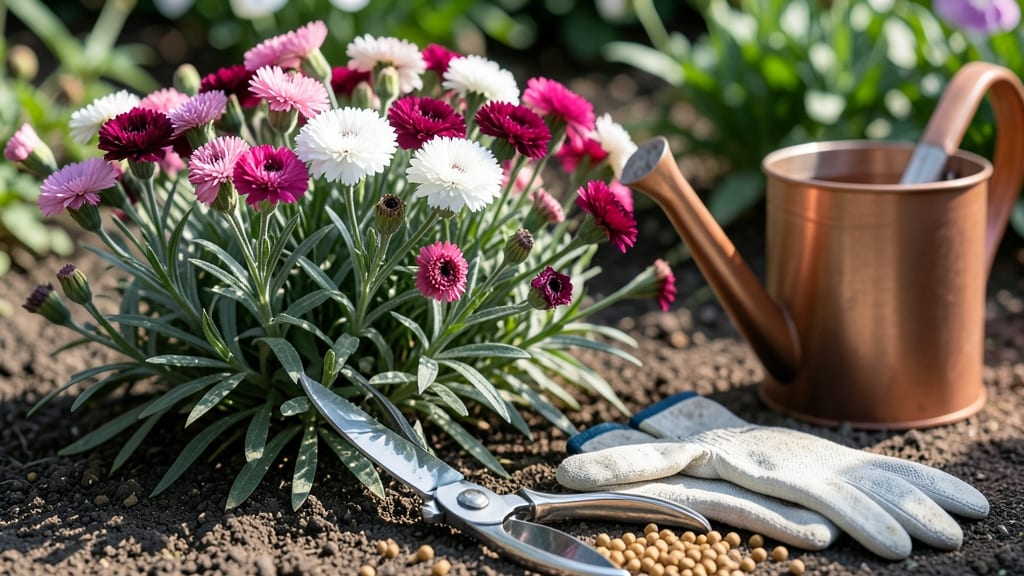
How to keep dianthus blooming like they’re auditioning for a garden pageant—only to fizzle out before the big show. 🌸 The secret to their nonstop floral performance? A mix of surgical pruning, strategic feeding, and heat stress management that most gardeners miss entirely.
I learned the hard way: skipping the post-bloom trim means next year's flowers arrive late (or not at all). Start by deadheading spent blooms every 3-4 days—this isn't fussy, it's a survival tactic.
Then, after the first major flush, give your dianthus a 1/3 prune to encourage bushier growth, not leggy stems chasing the sun.
Feed them low-nitrogen fertilizer every 6 weeks (they want blooms, not leaves), and water at the base—not overhead—so those velvety petals stay dry and disease-free. The real game-changer? Mulching to keep roots cool during summer's peak heat, which stops the flowers from wilting faster than a daylily in July.
This method keeps my dianthus producing continuous blooms from May through October, even in my hot, dry zone. The trick is treating them like divas—they demand attention, but they reward you with color that lasts. Let's get those blooms going!
📚 In This Guide
- What you need
- Instructions
- Tips and common mistakes
- Wrapping up and next steps
What you need
- ● Well-draining potting mix: 2–3 gallons (for container plants) or 1–2 bags (for in-ground planting). Look for a blend labeled for succulents or Mediterranean plants.
- ○ Balanced fertilizer: 10-10-10 or 20-20-20, diluted to half-strength (1 tbsp per gallon of water). Optional: Slow-release granules (5 lbs per 100 sq ft).
- ● Pruning shears: Sharp, clean pair (sterilize with rubbing alcohol between cuts).
- ● Watering can or hose with a gentle nozzle: Avoid overhead watering to prevent fungal issues.
- ○ Mulch (optional but helpful): 1–2 inches of gravel, pebbles, or straw mulch to retain moisture and regulate soil temperature.
- ● Shade cloth (30–50% coverage): 4x6 ft or custom-sized to shield plants from intense afternoon sun.
- ● Spray bottle: For misting leaves lightly (especially in hot, dry climates).
- ● Access to partial sun (4–6 hours of morning sun, with afternoon shade in hot climates).
- ● A container with drainage holes (if growing in pots) or well-amended garden soil.
- ● Patience! Dianthus may take 4–6 weeks to rebound after pruning or stress.
Tips & tricks for long-lasting dianthus blooms
Even the most attentive gardeners sometimes miss the subtle cues that keep dianthus thriving. Here's what I've learned after years of keeping my plants in full bloom.
Timing is Everything: In Step 1, when deadheading, focus on the first signs of wilting—not fully brown petals. I've found that morning wilting is the best indicator, and cutting in the late afternoon gives the plant time to recover before nightfall. This small window makes all the difference for reblooming, especially in hot climates where flowers fade faster.
Watering Wisdom: For Step 2, I've discovered that checking soil moisture with your finger is more reliable than guessing. Push your finger about 2 inches into the soil—if it's dry at that depth, it's time to water. The mulch of 1 inch gravel or sand acts like a moisture buffer, but it's no substitute for proper watering technique. I always water in the morning so the foliage dries quickly, preventing fungal spores from taking hold.
Heat Stress Prevention: When implementing Step 3, I recommend setting up a simple shade system using lightweight fabric or even a white umbrella. The key is providing shade only between 12-4 PM—this mimics natural conditions where afternoon sun is most intense. I've seen dianthus leaves crisp within hours of direct midday sun, so don't wait until you notice damage to act.
Fertilizer Strategy: In Step 4, I've learned that consistency matters more than quantity. Using a balanced fertilizer every 4-6 weeks creates predictable blooming cycles. The half-strength dilution is crucial—full strength can burn the roots. I schedule fertilizing right after deadheading to give the plant immediate nutrients for its next bloom cycle, and I always flush container soil afterward to prevent salt buildup.
Pro Tips for Keep Dianthus Blooming
- Even the most attentive gardeners sometimes miss the subtle cues that keep dianthus thriving.
- Timing is Everything: In Step 1, when deadheading, focus on the first signs of wilting—not fully brown petals.
- Watering Wisdom: For Step 2, I've discovered that checking soil moisture with your finger is more reliable than guessing.
Frequently asked questions
Got questions about keeping your Dianthus in full bloom? You’re not alone! Here are answers to the most common concerns—so you can enjoy those vibrant flowers all season long.
Why does my Dianthus stop blooming mid-season?
Overheating, thirst, or nutrient burnout often cause this. Dianthus thrives in cool roots and warm tops—mulch heavily to prevent soil heat stress. Also, deadhead spent blooms and fertilize lightly every 4–6 weeks with a balanced, low-nitrogen formula (like 10-10-10).
How often should I prune Dianthus for continuous blooms?
Prune after the first flush of flowers to encourage reblooming. For perennial varieties, cut back by ⅓ of the plant’s height in early spring and again after summer blooms. Annuals? Just snip off faded blooms to redirect energy to new flowers.
Can Dianthus handle heat waves? What’s the best way to protect it?
Dianthus hates scorching heat—it’s a cool-season lover! During summer, provide afternoon shade (use shade cloth if needed) and water deeply at the base (never overhead). Group plants together to create a microclimate, and avoid fertilizing during extreme heat.
Are there heat-tolerant Dianthus varieties I can grow?
Yes! Look for ‘Firewitch’ series (heat-resistant) or ‘Mystic Tides’—they handle warmer climates better than classic varieties. Also, China Pinks (Dianthus chinensis) are more adaptable to heat than Cheddar Pinks (Dianthus barbatus).
Why are my Dianthus leaves turning yellow or brown?
Yellow leaves usually mean overwatering or nutrient deficiency. Brown, crispy edges? Underwatering or salt buildup (from tap water). Flush the soil with distilled or rainwater, and adjust watering—Dianthus prefers well-draining soil and hates soggy roots.
Pro Tip: For longer blooms, try stress-pruning—pinch back new growth in early spring to force bushier, flower-packed stems!
Wrapping up and next steps
Keeping your dianthus blooming beautifully is all about a little care, consistency, and love! With the right pruning techniques, balanced fertilization, and protection from harsh conditions, you’ll enjoy vibrant flowers all season long. Don’t let setbacks discourage you—every gardener learns as they go!
Ready to take the next step? Grab your pruners, check your soil, and give your dianthus the TLC it deserves. Happy gardening—your blooms will thank you! 🌸✨