
Shrubs
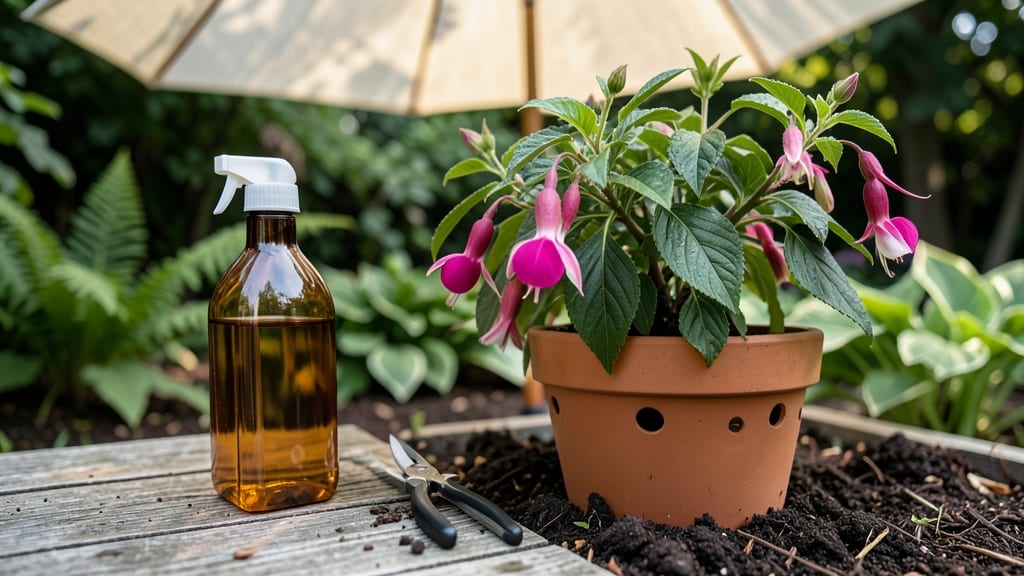
How to keep fuchsia flowering isn’t rocket science—it’s about weekly deadheading and a few key tweaks. ✨ The secret to nonstop color isn’t mystery—it’s paired with smart care. I’ve watched plants go from sparse flowers to cascading blooms in just 3 weeks by fixing these three common mistakes: over-fertilizing, skipping pruning, and ignoring light needs.
Most gardeners deadhead too late—or not at all. The moment you see a flower fade, pinch it off cleanly with your fingers or sharp pruners. This trick tells the plant to focus energy on new buds instead of seed production.
Pair that with a balanced fertilizer (low nitrogen!) every 4-6 weeks, and your fuchsias will reward you with months of vibrant blooms instead of one sad flush.
Light is the game-changer: fuchsias crave morning sun and afternoon shade—especially in hot climates. Mine in Zone 7 produce nonstop flowers when placed under a dappled tree, while those in full sun wilt by July.
Rotate pots quarterly to ensure even growth, and you’ll keep that lush, flowering habit all season long.
Seasonal shifts matter too. In fall, reduce watering slightly and cut back leggy growth to prep for winter. With these adjustments, my fuchsias now flower from May through October—and so will yours. Let’s get those blooms going!
📚 In This Guide
- What you need
- Instructions
- Tips and common mistakes
- Wrapping up and next steps
What you need
- ● Healthy fuchsia plants – Choose varieties like ‘Giantess’ or ‘Lady Thumb’ for prolific blooms (1-3 plants per container or garden spot).
- ● Well-draining potting mix – A blend of 50% peat moss or coco coir, 30% perlite or vermiculite, and 20% compost (1-2 bags, ~2-3 cubic feet total).
- ● Balanced liquid fertilizer – A 10-10-10 or 20-20-20 NPK formula (1 gallon or pre-measured packets). Pro tip: 💡 Dilute to half-strength to avoid burning roots!
- ● Pruning shears or clean scissors – Sharp, sterilized tools (disinfect with rubbing alcohol between cuts).
- ● Watering can or hose with a gentle nozzle – Avoid blasting stems; opt for bottom-watering when possible.
- ● Deadheading gloves – Lightweight gardening gloves to protect hands from thorns (some varieties have mild prickles!).
- ● Grow lights (for indoor fuchsias) – A full-spectrum LED bulb (12-16 hours/day) if growing indoors with limited sunlight.
- ● Mulch (e.g., pine bark or straw) – 1-2 inches to retain moisture and regulate soil temp.
- ○ Epsom salt (magnesium sulfate) – 1 tbsp per gallon of water monthly for extra blooms (optional but effective!).
- ● A sunny spot with partial shade (4-6 hours of morning sun, afternoon shade in hot climates).
- ● Consistent moisture – Fuchsias hate drying out! Water when the top 1 inch of soil feels dry.
- ● Patience and routine – Deadheading weekly is key, but blooms will reward you with color all season!
Step-by-Step instructions for keeping fuchsias flowering all season
Here’s how I’ve kept my fuchsias blooming nonstop for years—no fancy tricks, just consistent care.
✂️ Step 1: Deadhead Regularly to Encourage New Blooms
Pinch off spent flowers as soon as they fade—this prevents seed pods from forming and signals the plant to produce more blooms. I use clean, sharp pruners or just my fingers, twisting gently to avoid damaging new buds. Do this every 3-5 days during peak bloom, and you’ll see fresh flowers within 7-10 days.
Watch for the first sign of wilting on a bloom—it’s your cue to remove it immediately. If you wait until the flower is completely brown, you’re missing the best time to stimulate new growth. Fuchsias respond best when you deadhead in the morning, giving them the whole day to recover.
☀️ Step 2: Provide Bright, Indirect Light
Fuchsias need bright, filtered light—think dappled shade or east-facing windows. Too much direct sun scorches leaves, while too little causes leggy growth and sparse blooms. I keep mine near a sheer curtain where they get morning sun and afternoon shade.
You’ll know the light is right when leaves stay vibrant green and stems stay sturdy. If leaves yellow or stems stretch toward the light, move the plant 2-3 inches closer to the window. In hot climates, afternoon shade is a must—fuchsias hate afternoon sun.
💧 Step 3: Water Consistently Without Overdoing It
Keep the soil evenly moist but never soggy. I water when the top ½ inch of soil feels dry to the touch, usually 2-3 times a week depending on humidity. Overwatering causes root rot, while underwatering causes buds to drop.
Water at the base of the plant in the morning to let excess moisture evaporate during the day. Avoid wetting the leaves—this can lead to fungal issues. If you notice leaves curling or wilting, adjust your watering schedule immediately.
🌿 Step 4: Feed Lightly During Blooming Season
Use a balanced, water-soluble fertilizer (like 10-10-10) diluted to half strength every 2-3 weeks during spring and summer. This gives them just enough nutrients to keep blooming without overloading them. Stop fertilizing in fall and winter—they need a rest.
You’ll see the difference in 2-3 weeks: stronger stems, more vibrant flowers, and fewer dropped buds. If you notice yellowing leaves or slow growth, flush the soil with plain water to avoid salt buildup from fertilizer.
⏰ Step 5: Prune for Shape and Encourage Bushiness
Trim back leggy stems in early spring to encourage compact growth. Cut just above a leaf node at a 45-degree angle to promote new branches. This also prevents the plant from becoming top-heavy, which can cause it to flop.
Prune after flowering to shape the plant and remove any dead or diseased stems. You’ll see fresh, bushy growth within 3-4 weeks. If your fuchsia looks sparse, a light pruning in midsummer can stimulate another round of blooms before fall.
Tips & tricks for perfect fuchsia blooms
Here's what nobody tells you about keeping fuchsias flowering like a pro—these little details make all the difference.
Deadheading Precision: When deadheading in Step 1, look for the first set of healthy leaves below the faded bloom—this is your cutting point. I use a small pair of scissors instead of fingers to avoid crushing stems, and always cut at a 45-degree angle. This prevents water from pooling on the cut and causing rot. The key is to remove the entire flower cluster, not just the wilted bloom—this prevents seed formation that steals energy from new flowers.
Light Rotation Strategy: That weekly quarter-turn rotation in Step 2 isn't just about looks—it's about even growth. I set a reminder on my phone for this because uneven light exposure causes one side to grow leggy while the other stays compact. If your fuchsia starts leaning toward the light, it's definitely time to rotate. This simple habit keeps your plant balanced and bushier, which means more flower sites.
Watering Test: Before watering in Step 3, stick your finger about 1 inch into the soil. If it feels dry at the surface but still damp below, wait another day. I keep a small moisture meter nearby for quick checks—it's worth the investment. Overwatering is the #1 reason fuchsias stop flowering, so I always err on the side of slightly dry rather than soggy. Room-temperature water matters too—cold water can shock the roots and stress the plant.
Fertilizer Timing: The 2-3 week feeding schedule in Step 4 works best when you fertilize right after watering. This prevents root burn from concentrated fertilizer. I mix my diluted fertilizer with water in a spray bottle for even distribution, especially for hanging varieties. And here's a pro tip: if you notice new buds forming, hold off on fertilizing for a week—too much nitrogen at this stage can cause buds to drop.
Pro Tips for Keep Fuchsia Flowering
- Here's what nobody tells you about keeping fuchsias flowering like a pro—these little details make all the difference.
- Deadheading Precision: When deadheading in Step 1, look for the first set of healthy leaves below the faded bloom—this is your cutting point.
- Light Rotation Strategy: That weekly quarter-turn rotation in Step 2 isn't just about looks—it's about even growth.
Frequently asked questions
Got questions about keeping your fuchsias blooming like clockwork? Here are some common ones—and their answers—to help you grow a showstopping display all season long!
Why aren’t my fuchsias flowering at all?
If your fuchsias are putting out leaves but no blooms, they might be getting too much nitrogen (like from over-fertilizing) or not enough sunlight. Try moving them to bright, indirect light (6+ hours daily) and switch to a low-nitrogen, high-phosphorus fertilizer (like 5-10-5). Prune leggy growth to encourage bushier, flower-heavy stems too!
When is the best time to deadhead fuchsias?
Deadhead weekly—or as soon as flowers fade—to keep your fuchsias blooming nonstop. The key is to trim just above a set of leaves (not bare stems) to encourage new buds. Pro tip: Use clean, sharp scissors to avoid disease. If you’re late to the game, don’t stress—just snip spent blooms anytime after the first frost to tidy up for next season!
Can fuchsias bloom in hot or cold climates?
Fuchsias thrive in moderate temperatures (60–75°F), but with the right care, they can adapt:
- Hot climates: Provide afternoon shade and mulch to keep roots cool. Water deeply in the morning to prevent stress.
- Cold climates: Grow them as annuals or in containers and bring them indoors before frost. If planted in the ground, mulch heavily and choose hardy varieties like Fuchsia magellanica.
In extreme heat or cold, blooms may slow down—just adjust care and be patient!
What should I do if my fuchsias stop blooming mid-season?
Mid-season slowdowns often mean it’s time to revitalize your plants! Try these fixes:
- Give them a light trim to remove old growth and encourage new shoots.
- Switch to a balanced fertilizer (like 10-10-10) to refresh nutrients.
- Check for pests (like aphids) or disease (like powdery mildew) and treat if needed.
- Move them to a sunnier spot—sometimes they just need more light!
With a little TLC, they’ll bounce back with fresh blooms!
Can I propagate fuchsias from cuttings to keep them flowering?
Propagating fuchsias from softwood cuttings is easy and a great way to multiply blooming plants. Take 3–4 inch cuttings in spring or early summer, remove lower leaves, and dip in rooting hormone. Plant in moist perlite or water—roots should form in 2–4 weeks. Once established, treat like mature plants for continuous blooms!
Wrapping up and next steps
Keeping your fuchsia blooming nonstop is all about consistent care—deadheading, pruning, and meeting their light and nutrient needs. With a little effort, you’ll be rewarded with stunning, long-lasting flowers that brighten up any space! 🌸
Ready to turn your fuchsia into a showstopper? Grab your pruners, check your sunlight, and start deadheading this week—your garden will thank you! 🌿