
Companion Plants
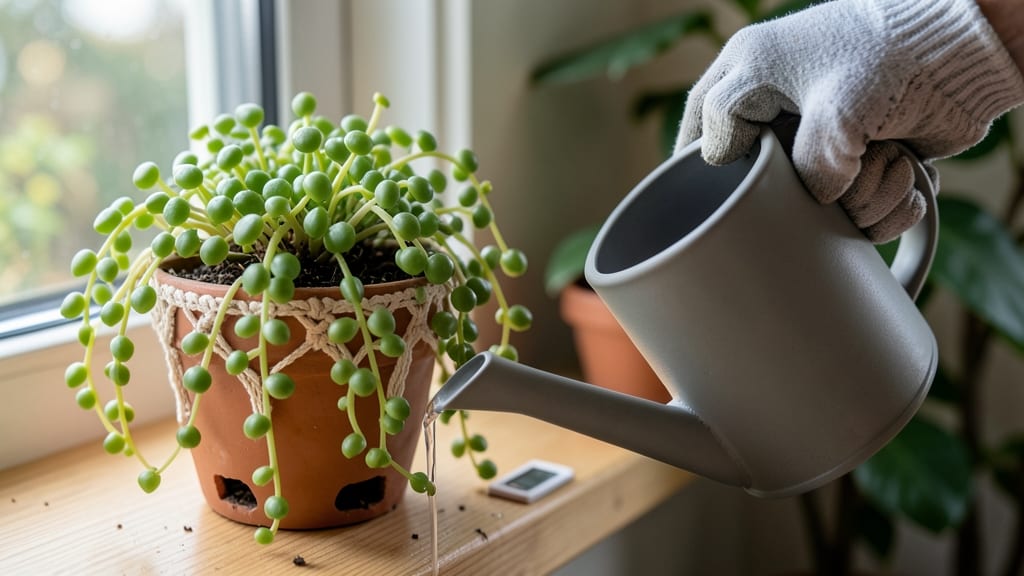
How to keep hanging plants alive is easier than you think—once you crack the code on light, humidity, and the right pot. 🌿 The key isn’t just watering; it’s mastering small, consistent adjustments. I’ve nursed back more drooping ferns and crispy pothos than I’d like to admit, and the secret lies in tweaking care just enough to turn wilting into thriving. Most people overwater or underlight their plants, both of which lead to slow death. The fix? Check soil moisture with your finger—top inch dry means water, not a schedule. And if your home’s air is drier than a desert, mist leaves or use a pebble tray to keep humidity up. Spider plants and pothos thrive in bright, indirect light, while ferns prefer shade. With the right care, your hanging plants will grow fuller and greener than ever. You’ll spot new leaves within weeks, and the dangling vines will create a lush, living curtain. The best part? Once you dial in the routine, these plants become nearly indestructible—even in low-light apartments or dry climates. Start with one plant to test your setup, then expand. Troubleshoot early—yellow leaves mean overwatering, brown tips mean dry air—and you’ll keep your greenery thriving for years. No more sad, drooping plants on your shelves.
📚 In This Guide
- What you need
- Instructions
- Tips and common mistakes
- Wrapping up and next steps
What you need
- ● Hanging planter – Choose one with drainage holes (macramé, ceramic, or plastic). Size: Match the planter to your plant’s mature size (e.g., small for String of Pearls, medium for Pothos).
- ● Well-draining potting mix – Avoid garden soil! Opt for a blend labeled for hanging plants or mix 60% potting soil + 30% perlite + 10% orchid bark for aeration.
- ● Watering can with a narrow spout – Prevents overwatering and keeps soil evenly moist (not soggy!). Capacity: 1–2 gallons for most setups.
- ● Fertilizer (balanced or liquid) – Use a 10-10-10 or 20-20-20 NPK ratio diluted to half-strength. Frequency: Every 4–6 weeks during growing seasons.
- ○ Support stakes or trellis (optional) – For vining plants like Philodendron or Hoya, add a lightweight stake to guide growth.
- ● Pruning shears – For trimming dead leaves or leggy growth. Tip: Sterilize with rubbing alcohol between plants!
- ● Misting bottle – Humidity-loving plants (e.g., Ferns) thrive with occasional misting. Bonus: Use distilled water to avoid mineral buildup.
- ● Drip tray or saucer – Place under planters to catch excess water and prevent root rot.
- ○ Grow lights (LED, full-spectrum) – Optional but lifesaving for low-light spots. Aim for 12–16 hours/day if natural light is limited.
- ● Plant labels – Track watering schedules and sunlight needs (trust us, you’ll forget!).
- ● Location scouting – Pick a spot with indirect light (east/west-facing windows) or bright, filtered light (avoid harsh midday sun).
- ● Watering schedule – Check soil moisture every 1–2 weeks (stick your finger 1 inch deep—if dry, water!).
- ● Plant compatibility – Research your plant’s needs! Some (like Bromeliads) hate wet roots, while others (like Ivy) love humidity.
Step-by-step instructions for thriving hanging plants
Here’s how to keep your trailing plants lush and healthy—no guesswork, just consistent care.
🪴 Step 1: Choose the Right Hanging Container and Location
Start with a container that has drainage holes—waterlogged roots are the #1 killer of hanging plants. I like coconut fiber or terracotta pots because they breathe and prevent root rot. For 4 hanging plants, a 12-inch diameter pot works well for medium-sized varieties like pothos or string of pearls.
Place your hanging plant where it gets bright, indirect light—think east-facing windows or under fluorescent lights. Direct sun can scorch delicate leaves, while too little light makes them grow leggy and weak. Test the spot by holding your hand near it: if it feels warm but not hot, it’s perfect.
💧 Step 2: Water Deeply but Less Often
Hanging plants dry out faster because their roots are suspended in air. Water only when the top inch of soil feels dry to the touch—stick your finger in; if it’s damp, wait. When you water, soak the soil thoroughly until water runs out the drainage holes. This encourages deep root growth instead of shallow, thirsty roots.
I use a spray bottle for misting on hot days, but avoid soaking the leaves—wet foliage invites fungal issues. For 4 plants, a 1-gallon watering can is ideal. Water in the morning so excess moisture evaporates by evening.
☀️ Step 3: Adjust Light and Fertilize for Year-Round Growth
Most trailing plants need 4-6 hours of bright, indirect light daily. If leaves turn pale or grow sparse, move closer to a window. In winter, supplement with a grow light placed 6-12 inches away for 12-14 hours a day. You’ll notice new growth within 2-3 weeks of adjusting light.
Feed your plants every 4-6 weeks with a balanced liquid fertilizer (like 10-10-10). Dilute it to half-strength to avoid burning roots. I mix it into water and apply it while watering—no need for extra steps. Over-fertilizing causes brown tips, so less is more.
✂️ Step 4: Prune and Train for Full, Bushy Growth
Pinch back the tips of leggy stems to encourage branching. Use clean sharp scissors and cut just above a leaf node. For 4 plants, trim 2-3 stems per plant every 6-8 weeks. This keeps them full and prevents them from becoming one long vine.
If a stem grows too long, you can also weave it through the pot’s drainage holes to create a natural cascade. Just avoid cutting more than 1/3 of the plant at once—this stresses the roots. Pruning in spring and summer gives the best results.
🌿 Step 5: Monitor for Pests and Adjust Seasonally
Check the undersides of leaves weekly for spider mites or mealybugs—common pests on hanging plants. Wipe leaves with a damp cloth and spray with neem oil if you spot any. I do this every 2 weeks in summer to stay ahead of infestations.
In winter, reduce watering slightly since plants grow slower. If leaves yellow, it’s usually overwatering—let the soil dry out more between waterings. With these adjustments, your hanging plants will stay vibrant all year long.
Tips & tricks for thriving hanging plants
Between us, these little details make all the difference between plants that just survive and ones that truly thrive.
Container Choice: Don't overlook the container's material—terracotta pots actually help regulate moisture better than plastic ones in humid conditions. If you're using coconut fiber liners, make sure they're fully saturated before planting to prevent air pockets that can suffocate roots. I've seen plants double in growth just by switching to terracotta during summer months.
Light Testing: That hand test for light intensity is genius, but here's what nobody tells you—if your hand feels warm but not hot, that's perfect for most trailing plants. For varieties like string of pearls though, you'll want to move them slightly closer to the light source—they need that extra brightness to maintain their vibrant color. Watch for leaves that look stretched or pale as your first clue.
Watering Wisdom: The 1-gallon watering can for 4 plants is perfect, but here's the trick: always water at the base rather than pouring from above. This prevents water from sitting in the saucer and keeps the leaves dry, which dramatically reduces fungal risks. I've reduced my neem oil treatments by 75% since I started watering this way.
Pruning Timing: That 6-8 week pruning schedule works well, but if you notice new growth slowing down between prunes, it's time to trim sooner. The key is to always cut just above a leaf node—this is where new growth will sprout. I keep a small pair of sharp scissors dedicated just to my plants to avoid spreading bacteria between cuts.
Pro Tips for Keep Hanging Plants Alive
- Between us, these little details make all the difference between plants that just survive and ones that truly thrive.
- Container Choice: Don't overlook the container's material—terracotta pots actually help regulate moisture better than plastic ones in humid conditions.
- Light Testing: That hand test for light intensity is genius, but here's what nobody tells you—if your hand feels warm but not hot, that's perfect for most trailing plants.
Frequently asked questions
about keeping hanging plants thriving—because even the toughest green thumbs need a little guidance! Here are the answers to the most common questions, so you can keep your plants happy and drip-proof for years to come.How often should I water my hanging plants?
Watering frequency depends on your plant type, climate, and pot size. Most hanging plants need water when the top 1-2 inches of soil feel dry. Check soil moisture with your finger—if it’s dry, it’s time! Pro tip: Water thoroughly until it drains from the bottom, but avoid soggy soil to prevent root rot.
Why are the leaves turning yellow or brown?
Yellow or brown leaves usually signal overwatering or underwatering. Check the soil moisture first—if it’s damp, reduce watering. If dry, increase frequency. Brown edges? Could be low humidity or too much sun. Yellow leaves? Might mean overwatering or poor drainage. Adjust care and monitor for improvement!
How much sunlight do hanging plants need?
Most hanging plants thrive in bright, indirect light (like near a window but not in direct sun). Variegated plants or tropicals (e.g., pothos, string of pearls) prefer shade, while succulents (e.g., string of hearts) need more sun. Rotate plants occasionally for even growth. Too little light? Leaves may stretch—move them closer to a window!
What’s the best drip-proof hanging planter?
Look for planters with self-watering features or built-in saucers to catch excess water. Self-watering: Lechuza or Cocoon Planters. Drip-proof: Plastic or ceramic pots with saucers, or macramé hangers with lined pots. Avoid open-weave materials that let water escape—unless you’re okay with a little mess below!
Can hanging plants survive winter?
Yes! Most hanging plants are resilient, but temperature drops below 50°F (10°C) can stress them. Move them indoors near a bright window or use a grow light. Evergreens like ivy or ferns handle cold better than tropicals. If frost is expected, bring them inside—prevention is key!
What do I do if my hanging plant is drooping?
Drooping usually means underwatering or root stress. First, check soil moisture—water deeply if dry. If the pot feels light, roots may be struggling. Overwatered? Let soil dry out and trim any mushy roots. Still droopy? Check for pests (like spider mites) or move to better light. Most plants perk up within days with proper care!
Wrapping up and next steps
Keeping hanging plants thriving is all about consistency, observation, and love—not just watering! 🌿 With the right balance of sunlight, drainage, and care, your greenery can flourish year-round. Don’t let setbacks discourage you; even the greenest thumbs started somewhere.
Ready to take the next step? Experiment with a new plant or try your hand at propagating cuttings—your garden (and future plant parents) will thank you! 🌱