
Blooming
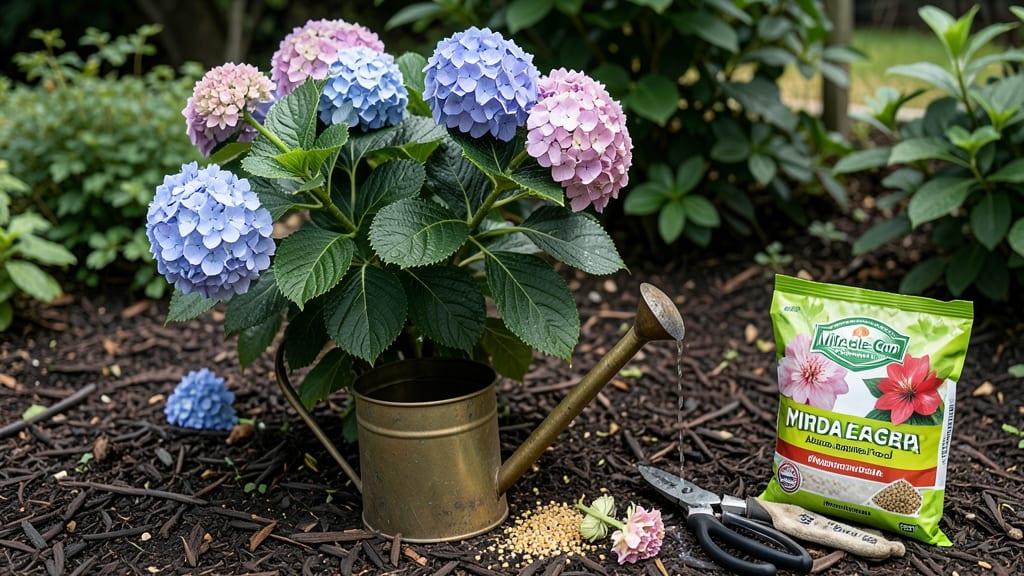
How to keep hydrangeas blooming all summer—your plants could be bursting with color three times longer than they are now. ✨ The secret isn’t just water or fertilizer—it’s timing, pruning, and understanding how these plants really grow. I’ve watched mine go from sporadic blooms to nonstop color by making just three key adjustments, and you can too.
Most gardeners prune at the wrong time or skip the soil test that determines bloom color. Hydrangeas need balanced sunlight, regular feeding, and protection from harsh afternoon sun—especially in hot climates.
The blooms you see now? Half of them are already formed by late spring, which is why so many gardens fizzle out by July.
By the end of summer, you’ll have clusters of blooms lasting well into September—deep blues, vibrant pinks, or creamy whites, depending on your soil’s pH. The key is a two-step pruning schedule, a monthly feeding routine, and knowing when to cut back spent blooms without sacrificing next year’s flowers.
This works for both bigleaf and panicle hydrangeas, whether you’re in a hot zone or cooler climate. Let’s turn those occasional blooms into a summer-long showstopper—no guesswork, just results.
📚 In This Guide
- What you need
- Instructions
- Tips and common mistakes
- Wrapping up and next steps
What you need
- ● Pruning shears – Sharp, bypass-style (not anvil), with 4-6 inch blades for precision cuts.
- ○ Gloves – Heavy-duty gardening gloves (optional but recommended for thorns and rough stems).
- ● Watering can or hose – 1-2 gallon capacity for deep watering (or a soaker hose for efficiency).
- ○ Balanced fertilizer – 10-10-10 or 20-20-20 NPK ratio (granular or liquid). Optional: Slow-release osmocote for convenience.
- ● Mulch – 2-3 inches of organic mulch (shredded bark, pine needles, or straw) to retain moisture.
- ● pH test kit – Liquid or soil test strips to monitor acidity (ideal range: 5.2–6.0 for blue/purple blooms; 6.0+ for pink).
- ● Aluminum sulfate or iron sulfate – For blue blooms (follow package instructions for dosage).
- ● Lime (garden lime, not quicklime) – To adjust pH upward for pink blooms (if needed).
- ● Shade cloth – 30-50% coverage to protect from harsh afternoon sun in hot climates.
- ● Drip irrigation system – Automates watering and ensures consistent moisture.
- ● Epsom salt – 1 tablespoon per gallon of water (monthly foliar spray for magnesium boost).
- ● Compost or worm castings – For natural soil enrichment (mix into root zone annually).
- ● Plant food with micronutrients – Look for hydrangea-specific formulas with boron, iron, and zinc.
Step-by-step instructions for sustained hydrangea bloom performance
Here's my battle-tested approach to keep hydrangeas flowering through the heat—no wilting, no fading, just lush color all season.
✂️ Step 1: Master the Pruning Timing and Technique
Prune hydrangeas in late winter or early spring before new growth begins. This ensures you're cutting back old wood while preserving next year's blooms. For mophead and bigleaf varieties, remove dead or crossing branches first—these compete for nutrients and weaken the plant. I like to make cuts just above a leaf node or outward-facing bud to encourage outward growth.
Never cut back into last year's blooms unless they're completely brown and dead. The flower buds form on old wood for most varieties, so aggressive pruning too early removes next year's potential blooms. If you're unsure, snap a branch—if it's green inside, it's still alive and should stay.
💧 Step 2: Establish a Consistent Watering Routine
Hydrangeas need 1-1.5 inches of water weekly, but they're especially sensitive to drought stress during bloom. I water deeply twice a week in summer, aiming for soil 6-8 inches deep to encourage deep root growth. The key is even moisture—hydrangeas hate drying out between waterings, which causes buds to drop.
Check moisture by sticking your finger 2 inches into the soil. If it feels dry, water thoroughly until it runs out the drainage holes. Mulch with 2-3 inches of organic mulch (like shredded bark) to retain moisture and protect roots from temperature swings. Avoid wetting the foliage during watering—this promotes fungal diseases like powdery mildew.
☀️ Step 3: Provide Strategic Shade and Sun Balance
Most hydrangeas thrive in morning sun with afternoon shade, especially in hot climates. Too much direct afternoon sun causes leaves to scorch and buds to dry out before opening. If your hydrangeas are in full sun, consider light shade cloth (30-50% coverage) during peak heat hours (11 AM–3 PM).
Watch for yellowing leaves or crispy edges—these are signs of sun stress. If your plant is in full shade, it may still bloom but with smaller flowers. The ideal spot gets 4-6 hours of morning sun and dappled shade the rest of the day. Adjust pruning to open the center of the plant for better airflow, which reduces heat buildup.
🌿 Step 4: Feed with the Right Fertilizer Schedule
Use a balanced, slow-release fertilizer (like 10-10-10) in early spring when new growth appears. Apply half the recommended dose to avoid burning roots. Hydrangeas are heavy feeders but don’t need frequent fertilizing—overdoing it leads to lush foliage at the expense of blooms. I also mix in 1 tablespoon of Epsom salt per plant in spring to boost magnesium, which prevents yellowing leaves.
For blue blooms, add aluminum sulfate (1 tablespoon per gallon of water) every 4-6 weeks during the growing season. For pink blooms, avoid aluminum and use lime instead. Test your soil pH first—hydrangeas need acidic soil (pH 5.2-6.0) for vibrant colors. If your blooms look dull, it’s time to adjust the pH.
🛡️ Step 5: Protect Against Pests and Environmental Stress
Watch for aphids, spider mites, and scale—they suck sap and weaken plants, causing buds to drop. I spray with neem oil (1 tablespoon per quart of water) every 2 weeks as a preventative. For severe infestations, use insecticidal soap directly on affected areas. Always spray early in the morning so the solution has time to dry before the sun intensifies.
Deadhead spent blooms regularly to redirect the plant’s energy into new flowers. Cut back to the first set of healthy leaves below the bloom cluster. If your hydrangeas are in a windy or exposed location, stake taller varieties to prevent stem breakage. A little support goes a long way in keeping them upright and blooming strong.
Tips & tricks for lush, long-lasting hydrangea blooms
Real talk: Even the most patient gardeners struggle with hydrangeas that bloom once and then fizzle. These are the details that separate a single burst of color from months of vibrant blooms.
Pruning Precision: When you prune in late winter or early spring, focus on removing only the dead or crossing branches first. The rest of your cuts should target the oldest wood—look for branches that are thick and woody, not the newer, thinner growth. I've seen gardeners accidentally prune away next year's blooms by cutting too aggressively. For mophead varieties, aim to keep 3-5 strong stems per plant to maximize flower production.
Watering Wisdom: The 1-1.5 inches of water weekly isn't just about quantity—it's about consistency. I've learned this the hard way after watching hydrangeas drop buds during heatwaves. Use a rain gauge or tuna can to measure your watering accurately. For container-grown hydrangeas, you may need to water daily during summer heat since they dry out faster. The key is keeping that soil 6-8 inches deep moist, not soggy.
Sunlight Strategy: That ideal 4-6 hours of morning sun with afternoon shade is non-negotiable in hot climates. If your hydrangeas are already planted in full sun, don't just give up—gradually acclimate them to shade by installing shade cloth over 2-3 weeks. Sudden shade changes can cause more stress than the sun itself. I've had great success with 30% shade cloth during peak afternoon hours when temperatures exceed 90°F.
Fertilizer Finesse: The half-dose recommendation for balanced fertilizer is critical—overfeeding actually reduces blooms. I've found that hydrangeas respond better to three smaller feedings (every 6 weeks) than one heavy dose. For the aluminum sulfate or lime treatments, always mix them into the soil at the base of the plant rather than spraying on leaves. This prevents leaf burn while still adjusting that crucial pH for vibrant colors.
Pro Tips for Keep Hydrangeas Blooming All Summer
- Real talk: Even the most patient gardeners struggle with hydrangeas that bloom once and then fizzle.
- Pruning Precision: When you prune in late winter or early spring, focus on removing only the dead or crossing branches first.
- Watering Wisdom: The 1-1.5 inches of water weekly isn't just about quantity—it's about consistency.
Frequently asked questions
about keeping hydrangeas blooming all summer—because even the pros need a little extra guidance! Here are answers to the most common questions to help you troubleshoot and thrive.Why are my hydrangeas only blooming once and then stopping?
Most hydrangeas bloom on old wood (last year’s growth) or new wood (current season’s growth). If you prune at the wrong time, you might remove next year’s flower buds. For mophead and lacecap varieties, prune after blooming to preserve old wood. For panicle and smooth hydrangeas, prune in late winter or early spring to encourage new blooms.
Can I still get summer blooms if I prune my hydrangeas too late?
It depends! If you prune after mid-summer, you risk cutting off flower buds that haven’t formed yet. However, panicle hydrangeas (like ‘Limelight’) are more forgiving—they bloom on new wood, so late pruning may still yield flowers. For other types, hold off until next winter for the best results.
How often should I water hydrangeas to keep them blooming?
Hydrangeas love consistent moisture—about 1–1.5 inches of water per week, including rainfall. During dry spells, water deeply 2–3 times a week rather than shallow daily watering. Mulch around the base (2–3 inches) to retain moisture and protect roots. Yellowing leaves or wilting? That’s your cue to water more!
Will too much sun or heat stop my hydrangeas from blooming?
Most hydrangeas thrive in partial shade (4–6 hours of sun daily). Too much hot, direct sun can stress plants, leading to fewer blooms or leaf scorch. If your hydrangeas are in full sun, provide afternoon shade or use a light shade cloth during peak heat. Panicle hydrangeas are more heat-tolerant but still benefit from some relief.
What should I do if my hydrangeas get powdery mildew or pests?
Powdery mildew (white fungal spots) and pests like aphids or spider mites can stunt blooms. For mildew, prune affected leaves and spray with a neem oil solution or baking soda mix (1 tsp baking soda + 1 quart water + a drop of dish soap). For pests, blast off aphids with water or use insecticidal soap. Prevent future issues by ensuring good airflow and avoiding overhead watering.
Are there hydrangea varieties that bloom all summer without much effort?
Yes! Panicle hydrangeas (like ‘Little Lime’ or ‘Vanille Fraise’) and reblooming lacecaps (like ‘Nikko Blue’) are the easiest for continuous blooms. They thrive on new wood, so they’re more forgiving with pruning. Endless Summer® hydrangeas are also bred to rebloom, but they still need proper care (like consistent water and occasional deadheading).
Wrapping up and next steps
With the right care, your hydrangeas can dazzle all summer long—think lush blooms, vibrant colors, and a garden that feels like a postcard! 🌸 The secret? A mix of pruning at the right time, feeding with precision, and protecting from the elements.
You’ve got this! Now, grab those shears, check your soil, and get ready to enjoy a season of nonstop beauty.
Ready to level up your hydrangea game? Start by exploring our planting guide or dive deeper into seasonal maintenance tips—your blooming masterpiece awaits! ✨