
Tools
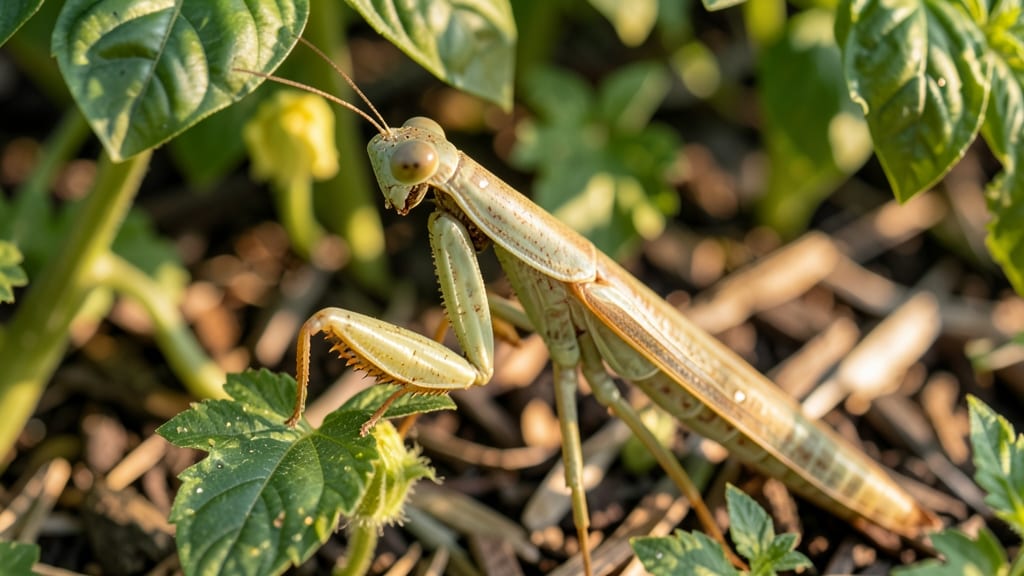
How to keep insects away from your vegetable garden without chemicals is easier than you think. 🌱 Last summer, I lost an entire row of lettuce to cabbage moths—until I discovered these simple, effective barriers that actually work. The key is combining physical defenses with smart planting choices. Row covers block pests completely, while companion plants like marigolds and basil confuse insects naturally. Even a simple spray of neem oil (mixed with water) keeps most bugs at bay without harming your plants. You'll see fewer holes in leaves, more pollinators visiting, and vegetables that stay crisp and healthy. The best part? These methods work whether you're growing in raised beds, containers, or directly in the ground. Start with one or two techniques this season—your harvest will thank you. Here's exactly how to set them up without the guesswork.
📚 In This Guide
- What you need
- Instructions
- Tips and common mistakes
- Wrapping up and next steps
What you need
- ● Row Covers: Lightweight, breathable fabric (e.g., floating row covers) – 1–2 per raised bed or row (size depends on garden layout). Look for 30% shade cloth for warmth or fine mesh (0.6mm or smaller) for pests like aphids and cabbage moths.
- ● Copper Tape: 1-inch wide – 50+ feet (for slug/snail barriers; copper emits a mild electric charge they dislike).
- ● Diatomaceous Earth (Food-Grade): 1–2 pounds (for dry barriers; reapply after rain).
- ● Hose or Sprayer: Adjustable nozzle for watering down barriers (e.g., neem oil mixtures).
- ● Stakes or Hoops: PVC pipes, bamboo, or metal hoops (4–6 feet tall) – 2–4 per 10x10 ft bed (for row covers).
- ● Garden Twine or Clips: For securing row covers (e.g., binder clips or zip ties).
- ● Garlic/Chili Spray: 1–2 bulbs of garlic + 1–2 chili peppers (blended with water/soap; strain before use).
- ● Beneficial Insects: Ladybugs, lacewings, or nematodes (targeted releases for specific pests).
- ● Beer Traps: Small containers filled with beer (for slugs/snails; place near garden edges).
- ● Essential Oil Spray: Peppermint, lavender, or citrus oils (10–15 drops per quart of water; test on plants first!).
- ● Chicken Wire: 1/2-inch mesh – cut to fit garden borders (for larger pests like rabbits).
- ● Plant Sacrifices: Nasturtiums or marigolds (interplant to repel pests naturally).
Step-by-Step instructions for creating natural insect barriers in your vegetable garden
Here's my go-to method for keeping pests at bay without chemicals—tested over three growing seasons.
🌿 Step 1: Choose and Install Physical Barriers
Start with lightweight row covers or fine mesh netting to protect young plants. I like floating row covers because they let sunlight and water through while blocking insects like cabbage moths and flea beetles. Secure them with U-shaped stakes or bricks at the edges to prevent wind damage. For smaller plants, collapsible hoop houses work well—just drape the netting over bent wire hoops and anchor the edges.
Check the cover daily for tears. A small rip can become a pest highway. If you spot damage, patch it immediately with duct tape or clear packing tape on the underside. This keeps your plants safe while you replace the cover when needed.
🪴 Step 2: Create Companion Planting Zones
Interplant strong-scented herbs like basil, dill, and mint near your vegetables—their fragrance confuses pests. I tuck marigolds between rows of tomatoes and peppers; their bright flowers attract beneficial insects like ladybugs while repelling nematodes. For cabbage families, nasturtiums act as a decoy, luring aphids away from your brassicas.
Space companion plants 6-12 inches apart from your vegetables to maximize their protective effect. Avoid overcrowding—you want enough room for both plants to thrive. Water companion plants once weekly to keep them healthy and their scent strong.
💧 Step 3: Apply Homemade Sprays for Extra Defense
Mix 1 tablespoon of dish soap (like Dawn) with 1 quart of water in a spray bottle. This mild solution disrupts the waxy coating on soft-bodied insects like aphids and mites. Spray early in the morning on dry leaves—avoid wetting flowers to prevent harming pollinators. Reapply every 3-5 days or after rain.
For a garlic-based repellent, blend 2 cloves of garlic with 1 quart of water, strain, and add 1 teaspoon of vegetable oil to help it stick. Spray this mixture on leaf undersides where pests hide. The strong aroma deters insects without harming your plants or the environment.
☀️ Step 4: Use Reflective Surfaces to Deter Flying Pests
Hang old CDs or aluminum foil strips from your garden stakes or trellises. The reflective surfaces create flashes of light that confuse flying insects like whiteflies and cabbage moths. I like to attach them to bamboo stakes and place them 12-18 inches above plant height for maximum effect.
Rotate the reflective surfaces weekly to maintain their effectiveness. Over time, dirt and debris dull the reflection, so a quick wipe with a damp cloth keeps them working. This method is especially useful for leafy greens and cruciferous vegetables that attract flying pests.
⏰ Step 5: Maintain Barriers Throughout the Growing Season
Inspect your barriers weekly for wear and tear. Replace row covers if they become brittle or torn beyond repair. For companion plants, prune leggy growth to keep them compact and their scent concentrated. Remove any yellowing or diseased leaves immediately to prevent pests from moving in.
Adjust your strategy as the season progresses. Early in the season, focus on young plant protection with row covers. Mid-season, rely more on companion plants and sprays. Late in the season, reflective surfaces help deter pests as they search for overwintering sites.
Tips & tricks for effective vegetable garden protection
These practical strategies will help you maximize your garden defenses without breaking a sweat.
Barrier Maintenance: In Step 1, when installing row covers, leave a little extra length at the edges—about 6 inches—so you can easily tuck them under soil or mulch for better wind protection. I also recommend using clear plastic clips instead of duct tape for securing edges; they're reusable and less likely to tear the fabric. This simple adjustment prevents pests from sneaking in through gaps while keeping your plants well-protected.
Companion Plant Placement: For Step 2, think vertically! Plant taller companion herbs like basil or dill near the base of your vegetables, then let them trail up trellises or stakes. This creates a natural pest-deterring canopy while maximizing your garden space. Just be mindful not to shade your vegetables completely—aim for partial coverage. The key is strategic placement that confuses pests without harming your main crops.
Spray Application Technique: When applying homemade sprays in Step 3, focus on the undersides of leaves where pests hide. I use a fine mist setting on my spray bottle to ensure even coverage without oversaturating the plants. For the garlic spray, add a drop of citrus oil (optional) to enhance its effectiveness against soft-bodied insects. Always test sprays on a small area first—some plants may be sensitive to the ingredients.
Seasonal Strategy Adjustments: In Step 5, adjust your approach based on pest activity. Early season? Prioritize row covers for young plants. Mid-season? Increase spray frequency to every 3 days. Late season? Add reflective surfaces to deter migrating pests. I keep a simple garden journal to track which pests appear when—this helps me stay one step ahead each year.
Pro Tips for Keep Insects Away From Vegetable Garden
- These practical strategies will help you maximize your garden defenses without breaking a sweat.
- Barrier Maintenance: In Step 1, when installing row covers, leave a little extra length at the edges—about 6 inches—so you can easily tuck them under soil or mulch for better wind protection.
- Companion Plant Placement: For Step 2, think vertically!
Frequently asked questions
Got questions about keeping insects at bay in your veggie patch? You’re not alone! Here are some of the most common concerns—and practical answers—to help you garden with confidence.
What’s the best natural barrier to keep pests away from my garden?
For most gardeners, diatomaceous earth (food-grade) or row covers are top choices. Sprinkle DE lightly around plants (reapply after rain), or use lightweight fabric covers to block flying insects like cabbage moths and carrot flies. For crawling pests, try copper tape or crushed eggshells!
How often should I reapply natural insect barriers?
It depends on the method! Diatomaceous earth loses effectiveness after rain or watering—reapply every 1–2 weeks or post-watering. Neem oil sprays need refreshing every 7–14 days, while physical barriers like row covers last the whole season unless torn. Check weekly for wear and tear.
Will these barriers harm beneficial insects like bees or ladybugs?
Most humane barriers are selective. Row covers and copper tape block pests without affecting pollinators. Diatomaceous earth is safe for bees but can harm soft-bodied bugs—apply it only at soil level. Avoid neem oil during peak bloom times to protect bees. Always opt for targeted solutions!
Are DIY barriers cheaper than store-bought ones?
DIY options like crushed eggshells (free from kitchen scraps) or homemade neem spray (costs pennies per gallon) save money. Store-bought barriers (e.g., pre-made row covers) offer convenience but may run $10–$30. Weigh your time vs. budget—many gardeners mix both!
What do I do if pests keep coming back after using barriers?
Persistence pays off! First, inspect plants daily for early signs (chewed leaves, eggs). Rotate methods—try companion planting (e.g., marigolds repel nematodes) or intercropping to disrupt pest life cycles. If all else fails, handpick pests (like tomato hornworms) or introduce predatory insects (e.g., lacewings).
Still stumped? Drop your specific pest problem in the comments—we’re happy to help!
Wrapping up and next steps
Keeping insects at bay in your vegetable garden doesn’t have to mean harsh chemicals—simple, natural barriers can make all the difference! 🌱 From companion planting to DIY row covers, these humane methods protect your plants while supporting a thriving ecosystem.
Start small, experiment with what works best for your space, and soon you’ll enjoy a bountiful harvest with minimal pest trouble.
Ready to take action? Pick one technique from this guide and try it out this week! Your future self (and your veggies) will thank you. 🌿