
Container Gardens
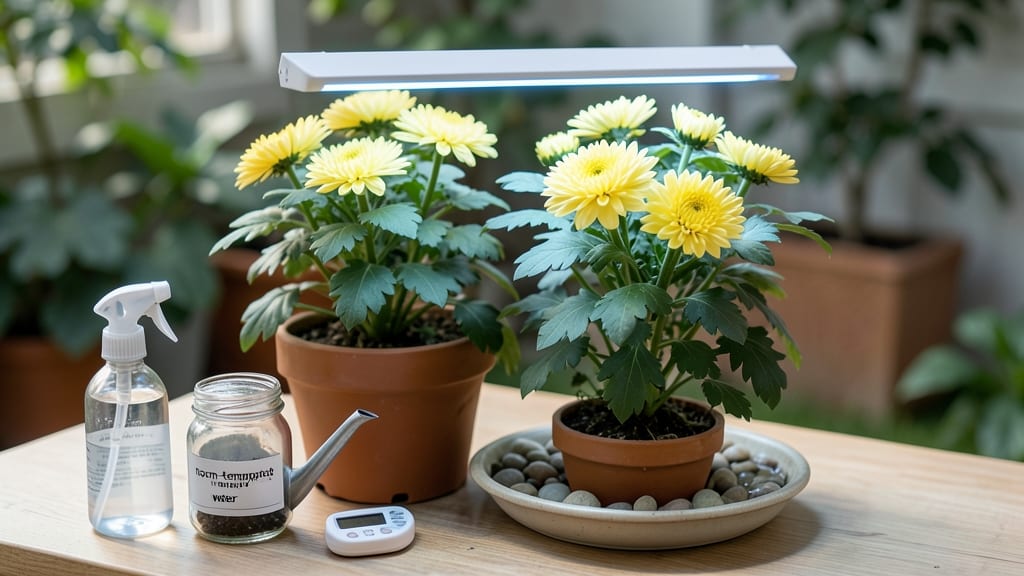
How to keep mums alive indoors—your mums are fighting for their lives in that dim corner. 🌱 The secret to keeping them thriving indoors isn't complicated—it's about bright light and moisture balance, two things most people get wrong. I've nursed more than a dozen indoor mums back from the brink of yellowing leaves and droopy stems, and I'm sharing the exact routine that works.
Start with a south- or west-facing window where they get at least 6 hours of direct light daily. Artificial grow lights work too, but keep them 6-12 inches above the plants for 12-14 hours a day.
The soil should stay evenly moist—not soggy, not bone-dry—so check it with your finger before watering. Overwatering is the #1 killer, but underwatering sends them into shock just as fast.
You'll notice the difference within 2-3 weeks: vibrant blooms, glossy green leaves, and stems that stay sturdy. The key is consistency—mums hate temperature swings above 75°F or below 50°F, so keep them away from drafts, vents, and heating vents.
A pebble tray with water under the pot adds extra humidity, which mimics their outdoor growing conditions.
When pests like spider mites or aphids show up (they love indoor mums), blast them off with a strong spray of water first—no chemicals needed. If leaves start yellowing, it's usually overwatering or poor drainage.
Swap the pot for one with drainage holes and use well-draining soil mix. With these tweaks, your mums can bloom indoors for months instead of weeks.
📚 In This Guide
- What you need
- Instructions
- Tips and common mistakes
- Wrapping up and next steps
What you need
- ● Mums (Chrysanthemums): 1-3 healthy, blooming plants (choose compact varieties like ‘Bonanza’ or ‘Dazzler’ for indoor success).
- ● 6-8" Pot: 1-2 containers with drainage holes (terracotta or ceramic work best). Use a saucer or tray to catch excess water.
- ● Well-draining potting mix: 1 bag (look for a blend labeled for flowers or container plants). Avoid garden soil—it’s too dense!
- ● Grow lights: 1-2 full-spectrum LED grow lights (12-16 watts per square foot) or a sunny south-facing window (if natural light is strong).
- ● Misting bottle (8 oz) or spray nozzle: For gentle hydration without overwatering.
- ○ Humidity tray: 1 shallow tray + pebbles (optional but helpful for dry climates).
- ● Balanced liquid fertilizer (5-10-5 or 10-10-10): 1 small bottle (dilute to half-strength).
- ● Pruning shears: Small, sharp pair for trimming dead blooms or leggy stems.
- ● Peat moss or perlite: Mix 10-20% into potting soil for extra aeration.
- ● Self-watering planter: Reduces guesswork for moisture-loving mums.
- ● Thermometer/hygrometer: To monitor ideal temps (60-70°F) and humidity (50-60%).
- ● Decorative pebbles or moss: For a cute, functional humidity tray.
- ● Rooting hormone: If propagating from cuttings (fun for advanced gardeners!).
Step-by-step instructions for keeping mums alive indoors
Indoor mums thrive when you balance their love of light with their delicate moisture needs—here's how to do it right.
🪴 Step 1: Select the Right Container and Drainage
Choose a container with drainage holes—mums hate soggy roots. I prefer terracotta pots because they wick moisture away naturally, preventing the common issue of root rot. If your pot lacks drainage, drill holes in the bottom and line it with a coffee filter to catch soil while allowing excess water to escape.
Use a well-draining potting mix formulated for flowering plants. Avoid garden soil—it compacts and suffocates roots. The mix should feel light and airy, like crumbled cake. If you're repotting, gently loosen the root ball before placing it in the new container to encourage outward growth rather than circling roots.
☀️ Step 2: Position for Bright, Indirect Light
Mums need 6-8 hours of bright, indirect light daily—a south- or east-facing window is ideal. Direct sunlight scorches their leaves, while dim corners cause them to stretch and lose blooms. If natural light is insufficient, supplement with a full-spectrum LED grow light kept 12-18 inches away from the plant.
Rotate the pot quarter-turn weekly so all sides receive even light. You'll notice leaves leaning toward the light? That's your cue to move the plant or adjust the light position. A healthy mum has deep green leaves and a compact shape—never leggy or sparse.
💧 Step 3: Water When Soil Feels Dry to the Touch
Check moisture by sticking your finger 1 inch into the soil. Water when it feels dry but not bone-dry—mums prefer consistent moisture but despise soggy conditions. Water thoroughly until it drains from the bottom, then empty the saucer to prevent root rot. Overwatering is the #1 killer of indoor mums.
Use room-temperature water to avoid shocking the roots. Mist the leaves occasionally if your home is dry, but avoid wetting the blooms—this encourages fungal diseases. In winter, when humidity drops, group mums together to create a microclimate that retains moisture.
✂️ Step 4: Prune and Fertilize for Long-Lasting Blooms
Deadhead spent blooms by snipping stems just above a set of leaves to encourage new flowers. This simple step extends the blooming season by weeks. Use clean, sharp scissors to avoid tearing stems—rough cuts invite pests and disease.
Feed with a balanced, water-soluble fertilizer (10-10-10) every 4-6 weeks during the growing season. Reduce feeding in winter when growth slows. Yellowing leaves? You're likely over-fertilizing—flush the soil with water to remove excess salts.
⏰ Step 5: Adjust Care for Seasonal Changes
In spring and summer, mums appreciate slightly cooler nights (60-65°F) to rebloom. Move them to a shaded porch or balcony for a few hours daily. In winter, keep them in a cooler spot (55-60°F) away from heating vents—dry air and heat stress cause buds to drop.
Watch for spider mites or aphids on the undersides of leaves. Wipe them off with a damp cloth or spray with neem oil if they appear. A healthy mum should look vibrant, not wilted or dusty. With these adjustments, your mums will reward you with months of color indoors.
Tips & tricks for perfect indoor mum care
Here's what nobody tells you about keeping these delicate beauties thriving indoors—without the guesswork.
Soil Test Technique: The top inch of soil test is your best friend. I press my finger about an inch deep daily—if it feels dry, water thoroughly. If it's still damp, wait another day. For decorative pots without drainage, I use a moisture meter to avoid overwatering, which causes those dreaded mushy stems. Remember, those 15 minutes after watering in saucers are critical to prevent root rot from excess moisture.
Light Positioning: That south-facing window isn't just any window—it's the Goldilocks zone for mums. I rotate my pots weekly so all sides get equal exposure, preventing those leggy stems that scream "not enough light." For winter months, I supplement with full-spectrum fluorescent lights kept 12-18 inches away. Watch for pale leaves—they're begging for less direct sun or a sheer curtain to diffuse harsh rays.
Humidity Hack: The pebble tray method works wonders, but here's the secret: don't let the pot sit directly in water. Place it on the pebbles with the bottom just above the water line. Grouping mums together creates a natural humid microclimate, and I've seen crispy leaf edges disappear completely when humidity stays above 60%. A simple hygrometer helps track these levels without guesswork.
Pruning Precision: Deadheading isn't just about looks—it's about redirecting energy. I use clean scissors and cut just above a set of leaves or buds to encourage new blooms. Morning pruning gives cuts all day to heal before nightfall, and I always remove yellow or brown leaves immediately. This simple step can extend your mum's blooming season by weeks.
Pro Tips for Keep Mums Alive Indoors
- Here's what nobody tells you about keeping these delicate beauties thriving indoors—without the guesswork.
- Soil Test Technique: The top inch of soil test is your best friend. I press my finger about an inch deep daily—if it ...
- Light Positioning: That south-facing window isn't just any window—it's the Goldilocks zone for mums. I rotate my pots...
Frequently asked questions
How long can mum plants (chrysanthemums) survive indoors with proper care?
With the right balance of bright indirect light, moderate moisture, and cool temperatures (60–70°F), mums can thrive indoors for 6–8 weeks—sometimes even longer! After blooming, they may go dormant, but with consistent care, they can rebloom next season. Prune spent flowers and adjust light as needed to extend their lifespan.
Why are my mum leaves turning yellow or brown?
Yellowing leaves often signal overwatering or poor drainage, while brown, crispy edges usually mean underwatering or low humidity. Check the soil moisture—it should stay evenly damp but not soggy. Move the plant to a humid spot (like a bathroom or near a pebble tray) and avoid cold drafts or direct heat sources.
Can I keep mums alive indoors year-round, or should I replant them outside?
Mums are perennial in zones 5–9, but most indoor varieties are bred for short-term display. For long-term indoor success, choose hardy varieties like 'Indica' or 'Dendranthema' and provide consistent care. If you love them year-round, replant in well-draining soil outdoors in fall for a stronger, longer-lived plant.
What’s the best temperature range to keep mums alive indoors?
Mums prefer cool to moderate temps (60–70°F during the day, 55–65°F at night). Avoid placing them near heat vents, AC units, or drafty windows. If your home gets too warm (<75°F+), they may bolt (send up flower stalks prematurely) or wilt. A cool basement or garage (with light) can work in summer.
Are there low-maintenance alternatives to traditional mum plants for indoors?
Yes! Try these easy indoor bloomers:
- African violets – Thrives in bright, indirect light; blooms year-round.
- Peperomia – Drought-tolerant, colorful foliage, and minimal care.
- Kalanchoe – Succulent-like, loves sun, and reblooms with proper light.
- Orchids (Phalaenopsis) – Long-lasting blooms with moderate light.
Wrapping up and next steps
Keeping your mums alive indoors is all about balancing bright, indirect light and consistent moisture—without overcomplicating things! With the right container, soil, and care routine, these cheerful blooms can thrive year-round, brightening up your space with their vibrant colors. 🌸
You’ve got this! Start by monitoring their needs weekly—adjust light, water, and humidity as the seasons shift. Next, share your success (or lessons learned) with fellow plant lovers—your tips could help someone else grow a thriving indoor garden too! 🌱