
Pests
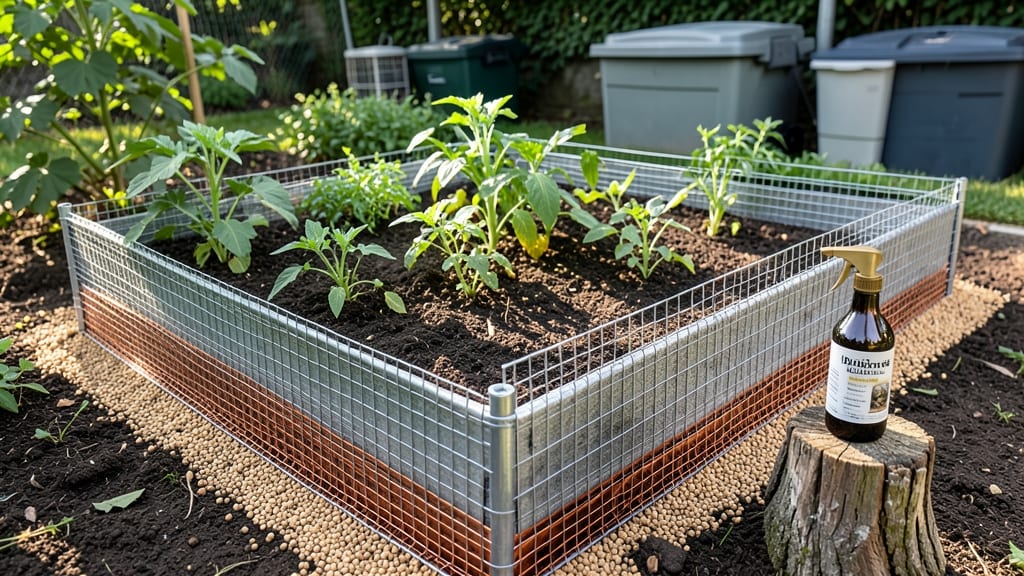
How to keep rats out of your garden without traps, poison, or harming your soil or pets—it starts with a simple, non-toxic trick that actually works. 🌱 The moment I spotted those beady eyes near my compost pile, I knew I needed a smarter solution than traditional methods. Peppermint oil isn’t just a kitchen staple; it’s a powerful, non-toxic rat repellent that confuses their sharp sense of smell and sends them scurrying elsewhere.
Here’s the thing—rats hate the scent of peppermint, but they also avoid areas where their natural navigation gets scrambled. A few drops of oil on cotton balls or soaked rags, placed strategically around entry points, creates a sensory barrier that’s both effective and humane.
No chemicals, no cruelty—just a simple, garden-friendly trick that’s worked for me for three growing seasons straight.
By the end of this, you’ll have a simple, long-term solution that protects your seeds, compost, and young plants while keeping those furry intruders out for good. The best part?
It’s cheap, reusable, and blends seamlessly with sustainable gardening practices. No more waking up to chewed seedlings or stolen harvests—just peace of mind and a thriving garden.
Works in raised beds, containers, or open plots—anywhere rats might sneak in. And since it’s safe for pets and wildlife, you can use it year-round without guilt. Let’s get started with the exact steps that’ve kept my garden rat-free for seasons.
📚 In This Guide
- What you need
- Instructions
- Tips and common mistakes
- Wrapping up and next steps
What you need
- ● Peppermint essential oil – 100% pure, food-grade (16 oz or 500 mL bottle recommended for large areas). Avoid synthetic blends—they won’t work!
- ● Rags or cotton balls – Unbleached, untreated (10–20 pieces, depending on area size). Old T-shirts or bandanas work too!
- ○ Spray bottle (optional but handy) – 8–16 oz, with a fine mist nozzle (for spot treatments).
- ● Gloves – Nitrile or latex (to protect your skin from oil irritation).
- ○ Markers or chalk – For mapping out your barrier path (optional but helpful for planning).
- ● Steam cleaner or sprayer – For large outdoor areas (dilute peppermint oil with water first—1:10 ratio).
- ● Plastic or metal trays – To contain oil-soaked rags in high-traffic rat zones.
- ● Baby powder or diatomaceous earth (DE) – Non-toxic powder to sprinkle alongside oil for extra deterrence (use sparingly!).
- ● Rat-proof bait stations (if needed) – For humane trapping if rats persist.
Step-by-Step instructions for creating a peppermint oil rodent barrier
Here's the method I've used for years to keep unwanted pests from my garden and storage areas.
🌱 Step 1: Gather Supplies and Prepare the Area
You'll need 100% pure peppermint essential oil (not fragrance oils), cotton balls, scissors, and gloves. I like to work in a well-ventilated area when handling essential oils—rats aren't the only thing sensitive to strong scents. Choose your barrier locations carefully: focus on entry points like gaps under doors, holes in walls, or areas where you've spotted droppings or chew marks.
Clear away any debris or clutter from the area first. Rats hide in tight spaces, so remove anything that could provide shelter. I even take a moment to sweep the ground—you'd be surprised how much nesting material accumulates in corners. This step ensures the peppermint oil will have direct contact with their scent trails.
💧 Step 2: Create Saturated Cotton Ball Plugs
Cut each cotton ball into quarters to create smaller, more manageable pieces. This makes them easier to fit into tight spaces. In a small bowl, mix 10 drops of peppermint essential oil with 1 tablespoon of water—this creates a strong but controlled solution. The water helps the oil adhere better to the cotton.
Using your gloved hands, soak each cotton quarter thoroughly. You want them damp but not dripping—excess moisture can degrade the cotton faster. I like to roll these between my fingers to ensure even saturation. Place the soaked cotton pieces in a clean container with a lid to keep them ready for deployment.
☀️ Step 3: Install the Barrier at Entry Points
Place the saturated cotton pieces directly into gaps, holes, or along the edges of doors where rats might enter. Focus on areas where you've seen signs of activity—rats have keen senses but can be confused by strong, unfamiliar scents. I usually create a continuous line of cotton plugs about 12-18 inches long to cover the most vulnerable spots.
For larger openings, like gaps under garage doors, I layer two rows of cotton plugs to create a stronger barrier. Reapply every 3-5 days or whenever the cotton dries out—dry cotton loses its effectiveness quickly. The peppermint scent should be strong but not overwhelming to you; if it's too faint, you're not using enough oil.
✂️ Step 4: Maintain and Monitor the Barrier
Check your barrier daily for the first week to ensure the cotton remains saturated and the scent is still potent. Rats can become accustomed to scents over time, so I like to rotate my barrier locations every few weeks. This keeps them guessing and prevents them from finding a weak spot in the defense.
If you notice new signs of rat activity—droppings, gnaw marks, or nests—reinforce the barrier immediately. I also recommend keeping a log of where you place the cotton plugs. This helps you track which areas remain rat-free and which need extra attention. The key is consistency: a weak or intermittent barrier won't work long-term.
🪴 Step 5: Expand and Combine with Other Deterrents
For maximum effectiveness, combine this barrier with other rat deterrents like steel wool (which they can't chew through) or hardware cloth to seal larger openings. I've found that peppermint oil works best as part of a layered defense system. Place steel wool in holes and gaps first—it physically blocks their entry—then add the peppermint cotton plugs on top.
You can also place a few unscented cotton balls near the barrier to monitor effectiveness. If rats leave scent marks on these, it means they're still trying to navigate around your barrier. This tells you it's time to reinforce or adjust your strategy. The peppermint oil confuses their senses, but it's not a magic bullet—it works best when paired with physical barriers.
Tips & tricks for creating an effective peppermint oil rodent barrier
A few strategic tweaks can turn this simple method into an unbeatable rodent defense system that actually works. Here's what I've learned from years of keeping rats at bay without traps or poisons.
Scent Concentration Matters: The 10 drops of peppermint essential oil in 1 tablespoon of water is your baseline, but don't be afraid to increase the concentration for stubborn infestations. For particularly rat-active areas, try 15 drops per tablespoon—just monitor the scent strength so it remains effective but not overwhelming to you. The key is maintaining that strong, confusing scent that disrupts their natural scent trails while staying safe for humans and pets.
Timing is Everything: When you install your barrier in Step 3, focus on creating that continuous 12-18 inch line without gaps. Rats are clever—they'll find a way through if there's even a tiny opening. I've found that placing cotton plugs at night works best because that's when rats are most active. Their natural curiosity will lead them straight to your barrier, where the strong peppermint scent will confuse their navigation system.
Layered Defense System: While the peppermint oil is the star of this show, don't underestimate the power of combining it with physical barriers in Step 5. Steel wool and hardware cloth create an impenetrable first line of defense that rats simply can't chew through, while the peppermint oil handles the scent-based confusion. This two-pronged approach has kept rats out of my storage areas for years—it's the combination that makes the difference between temporary deterrence and long-term protection.
Monitoring Technique: That unscented cotton ball trick in Step 5 is pure genius—it's like having a spy system for your barrier. If you find scent marks on these test cotton balls, it means rats are still trying to navigate around your defense. This tells you exactly where to reinforce your barrier immediately. I've caught multiple attempts this way before the rats even made contact with my stored goods.
Pro Tips for Keep Rats Out
- A few strategic tweaks can turn this simple method into an unbeatable rodent defense system that actually works.
- Scent Concentration Matters: The 10 drops of peppermint essential oil in 1 tablespoon of water is your baseline, but don't be afraid to increase the concentration for stubborn infestations.
- Timing is Everything: When you install your barrier in Step 3, focus on creating that continuous 12-18 inch line without gaps.
Frequently asked questions
Got questions about keeping rats away with peppermint oil? Here are some of the most common ones—plus straightforward answers to help you stay rat-free!
Will peppermint oil really work, or is it just a myth?
Peppermint oil does work—but it’s not magic. Rats have an ultra-sensitive sense of smell, and peppermint’s strong scent confuses and repels them. For best results, combine it with other deterrents like sealing entry points and keeping food secure. Think of it as a powerful first line of defense, not a standalone solution.
How long does the peppermint oil barrier last before reapplying?
The oil’s potency fades quickly—typically 1-2 weeks outdoors or 3-5 days in high-traffic areas. Reapply every 7-10 days or after rain (it washes away). For long-term protection, store extra oil in a cool, dark place and keep a spray bottle handy for touch-ups.
Is peppermint oil safe to use around pets or kids?
While peppermint oil is non-toxic in small amounts, it can irritate pets (especially cats) or sensitive skin. Dilute it (10-15 drops per cup of water) and apply it to non-porous surfaces like concrete or metal—never near food, pet areas, or where kids play. If your pet ingests it, contact a vet immediately.
What if rats keep coming back after I’ve tried everything?
Persistent rats mean there’s likely a hidden entry point or a food/water source they’re exploiting. Start by:
- Inspecting at dusk/dawn (when they’re most active) with a flashlight.
- Filling gaps with steel wool + caulk (rats can’t chew through it).
- Setting humane traps to catch and relocate them (check local laws first!).
Are there natural alternatives to peppermint oil for repelling rats?
Yes! Try these rat-repelling DIY options:
Method
How to Use
Cloves or garlic
Place whole cloves in cotton balls or crush garlic near entry points.
Predator urine (fox/coyote)
Buy from garden stores and spray around the perimeter (reapply every 2-3 weeks).
Ammonia-soaked rags
Leave in areas rats frequent—the smell mimics predators.
Pro tip: Rotate methods to prevent rats from getting used to one scent!
Wrapping up and next steps
Keeping rats at bay doesn’t have to be a battle—just a clever strategy! 🌿 A simple peppermint oil barrier can disrupt their sharp senses and send them scurrying elsewhere. Stay consistent with your efforts, and soon, your space will be rat-free and peaceful.
Ready to take action? Start by setting up your peppermint oil stations today, and watch those unwanted visitors vanish. Need extra tips? Check out our FAQ section for more tricks to keep your home pest-free!