
Pests
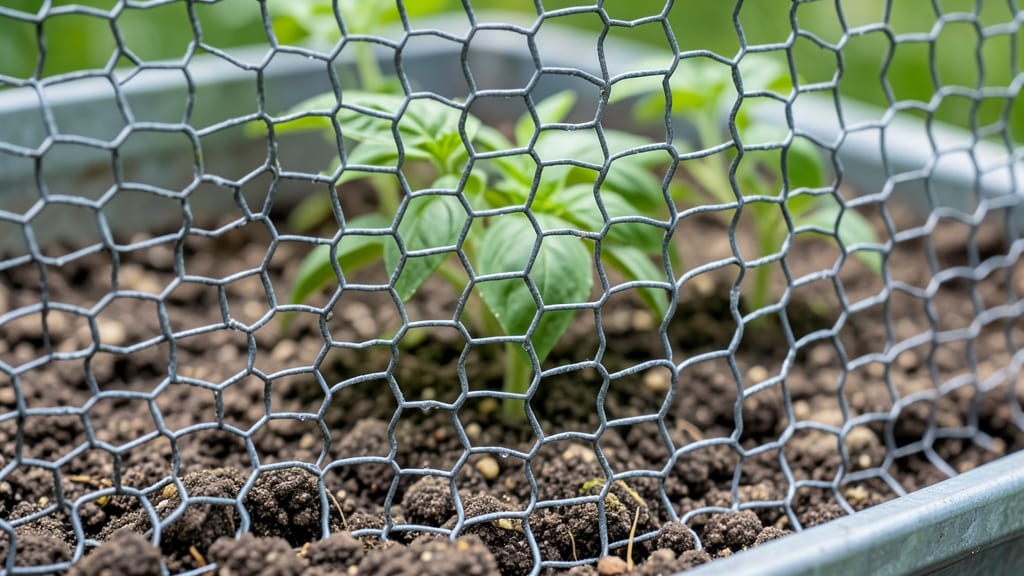
How to keep squirrels out of raised beds—this was my battle cry after watching them turn my garden into their personal salad bar. 🌱 I spent months watching them dig up seedlings, chew through tomatoes, and basically treat my garden like a buffet—until I discovered these humane tricks that finally worked.
The key isn't cruelty—it's outsmarting them with barriers, repellents, and habitat tweaks that don't hurt wildlife. A simple hardware cloth wrap around beds, combined with predator urine (yes, it smells but it works) and removing food sources, sent them packing within a week. No traps, no harm—just smarter gardening.
By the end of the season, my tomatoes stayed intact, carrots grew straight, and the squirrels moved on to the neighbor's yard. The best part? These methods work for years, not just one season, and keep your garden thriving without guilt.
Whether you're dealing with a single sneaky squirrel or a full colony, this approach scales. Let's get those beds back under your control—and keep the critters where they belong.
📚 In This Guide
- What you need
- Instructions
- Tips and common mistakes
- Wrapping up and next steps
What you need
- ● Hardware cloth or wire mesh: ¼-inch or smaller (½-inch for larger squirrels). Quantity: Enough to cover gaps (e.g., 10–20 ft roll for small beds).
- ● Staple gun + heavy-duty staples: For securing mesh (18-gauge staples recommended).
- ● PVC pipes or wire fencing: 1–2-inch diameter (for DIY tunnels or barriers). Quantity: 2–4 pipes per bed, depending on size.
- ● Bungee cords or zip ties: To temporarily secure mesh while planting.
- ● Pruners or scissors: For trimming mesh to fit snugly.
- ● Humane repellents: Spicy pepper spray: Cayenne pepper or commercial blends (e.g., Squirrel Stopper). Quantity: 8–16 oz.
- ● Predator urine (coyote/fox): 4–8 oz (available at garden stores).
- ● Motion-activated sprinklers: Battery/solar-powered (e.g., Orbit Enforcer).
- ● Chicken wire or netting: Lighter than hardware cloth (for temporary fixes).
- ● Reflective tape/discs: Sticky or hanging (confuses squirrels with movement).
- ● Essential oil sprays: Peppermint, eucalyptus, or citrus (dilute with water). Quantity: 4 oz.
- ● Decoy predators: Fake owls or snakes (rotate placement weekly).
- ● Gloves + safety goggles: For handling spicy repellents or sharp mesh.
Step-by-Step instructions for humane squirrel deterrents in raised beds
Here’s how I’ve kept my raised beds squirrel-free for years—without harming a single critter.
🌱 Step 1: Secure the Beds with Physical Barriers
Start by installing hardware cloth (¼-inch mesh) around the bed’s perimeter, burying it 6 inches deep to block burrowing. I use 12-inch tall wire fencing stapled to the bed’s edges—squirrels can’t jump that high, and they’ll give up after a few failed attempts. For smaller beds, chicken wire works too, but replace it yearly since squirrels can chew through it.
Leave a small gap at the top (about 1 inch) to allow rainwater drainage while still preventing access. If your bed has removable sides, line the interior with fine mesh—this keeps squirrels out while letting air and light through. I’ve seen them try to dig under, so that buried edge is non-negotiable.
💧 Step 2: Use Natural Repellents Around the Bed
Squirrels hate strong scents, so I sprinkle hot pepper flakes or garlic powder around the bed’s base—¼ cup per 4-foot section—and reapply after rain. For a longer-lasting solution, soak cotton balls in peppermint or eucalyptus oil, place them in mesh bags, and hang them from the bed’s corners. Refresh every 3-4 weeks or when the scent fades.
Another trick? Predator urine (coyote or fox) from garden centers—spray a 1-inch band around the bed’s edge. The smell tricks squirrels into thinking they’re in danger. I’ve had zero issues after the first application, but I reapply every 6-8 weeks to maintain effectiveness.
☀️ Step 3: Create Distractions and Alternative Food Sources
Squirrels are persistent, so divert their attention with a separate feeding station at least 20 feet away from your raised beds. Fill a large wire cage with unsalted peanuts or sunflower seeds—they’ll forget about your veggies once they find this easy meal. I place mine near a tree where they already forage, so they don’t even notice the beds anymore.
If you’re planting squirrel favorites (like corn or squash), interplant with squirrel-deterrents like marigolds or daffodils. The strong scent and bitter taste make these beds less appealing. I’ve also had success with motion-activated sprinklers—the sudden spray startles them enough to keep them away for good.
✂️ Step 4: Monitor and Adjust Your Strategy
Check your beds weekly for new dig sites or chewed plants. If you spot fresh damage, reinforce weak spots—maybe the mesh has a gap, or the pepper scent wore off. I keep a journal of what works (and what doesn’t) so I can tweak my approach seasonally. For example, squirrels get bolder in fall, so I double down on repellents then.
If you’re dealing with determined diggers, add landscape fabric over the soil surface until plants are 6 inches tall. This blocks access while still letting light through. Just remove it once seedlings are established—squirrels won’t bother mature plants as much.
Tips & tricks for humane squirrel deterrents in raised beds
Real talk: Squirrels are clever, and they’ll find weaknesses in your defenses if you’re not careful. These are the tricks that’ve saved my gardens from becoming their all-you-can-eat buffets.
Barrier Reinforcement: When installing your hardware cloth in Step 1, don’t just bury it—create a slight outward flare at the bottom edge (about 2 inches). This prevents squirrels from digging underneath by making the entry point too awkward. I’ve seen them try to tunnel under, but this simple modification stops them every time. For extra security, bend the top edge inward slightly to discourage climbing attempts.
Repellent Rotation: In Step 2, don’t rely on just one repellent. I rotate between hot pepper flakes, garlic powder, and predator urine every 3-4 weeks to prevent squirrels from getting used to a single scent. Keep a log of what you’ve used and when—this helps track effectiveness. Also, place your repellent bags higher up on the bed’s corners (about 6 inches off the ground) where squirrels can’t easily knock them over.
Feeding Station Placement: The 20-foot distance mentioned in Step 3 is non-negotiable for serious squirrel problems. If you’re dealing with particularly determined diggers, increase this to 30 feet and place the feeding station downwind of your garden. Squirrels rely heavily on scent trails, so breaking that connection makes your raised beds invisible to them. I’ve had to move mine twice after noticing they were still investigating the beds despite the distance.
Seasonal Adjustments: Fall is when squirrels get most aggressive—don’t wait until you see damage to act. In Step 4, start your weekly monitoring in early September and double your repellent frequency. I also add extra landscape fabric in fall, even for established plants, because squirrels will try to dig up bulbs and stored nuts. Think of it as their version of squirrel school—once they learn your garden is off-limits, they’ll move on.
Pro Tips for Keep Squirrels Out Of Raised Beds
- Real talk: Squirrels are clever, and they’ll find weaknesses in your defenses if you’re not careful.
- Barrier Reinforcement: When installing your hardware cloth in Step 1, don’t just bury it—create a slight outward flare at the bottom edge (about 2 inches).
- Repellent Rotation: In Step 2, don’t rely on just one repellent.
Frequently asked questions
Got more questions about keeping squirrels out of your raised beds? Here are some common ones—and their answers!
What’s the best time of year to start squirrel-proofing my raised beds?
Start before planting season (early spring) to install physical barriers like hardware cloth or fencing. If squirrels are already a problem, act immediately—they’ll exploit any weak spots! Focus on sealing gaps in fall or winter too, as squirrels prepare for nesting. Pro tip: Combine repellents and barriers for year-round protection.
Are chicken wire or plastic fencing effective against squirrels?
Nope! Squirrels can easily chew through chicken wire or bend plastic fencing. Instead, use hardware cloth (1/4-inch mesh) buried at least 12 inches deep—it’s sturdy and squirrel-proof. For extra security, add a lip (like bent metal flashing) to deter climbing. Bonus: This also keeps out burrowing pests like gophers!
Will hot pepper spray or predator urine really work long-term?
These repellents can work short-term (1–2 weeks), but squirrels often adapt. Reapply every 7–10 days and combine with other methods (like motion-activated sprinklers or physical barriers) for lasting results. For best success, rotate repellents seasonally to confuse them.
Can I use mulch or plants to keep squirrels away naturally?
Some plants like daffodils, marigolds, or castor bean may deter squirrels with their scent, but they’re not foolproof. Mulch alone won’t stop determined squirrels—pair it with other barriers. For raised beds, focus on physical deterrents first, then add plants as a secondary layer. Test small patches to see what works in your area!
What do I do if squirrels keep digging under my raised bed?
Digging is a red flag! Bury hardware cloth vertically around the bed’s perimeter (extend it 12+ inches deep) and check for gaps in the bed’s base. If squirrels are nesting underneath, block all entry points and relocate them humanely (contact local wildlife control if needed). A false floor (like a removable plywood sheet) can also help monitor activity.
Wrapping up and next steps
Keeping squirrels out of your raised beds doesn’t have to be a battle—just a strategic, humane effort! By combining physical barriers, natural repellents, and smart deterrents, you can protect your garden while keeping those bushy-tailed visitors safe.
Start small, experiment with what works best for your space, and soon, you’ll be enjoying a squirrel-free harvest without guilt.
Ready to reclaim your garden? Pick one method from this guide and test it this week! Your plants (and your sanity) will thank you. 🌱🐿️