
How To
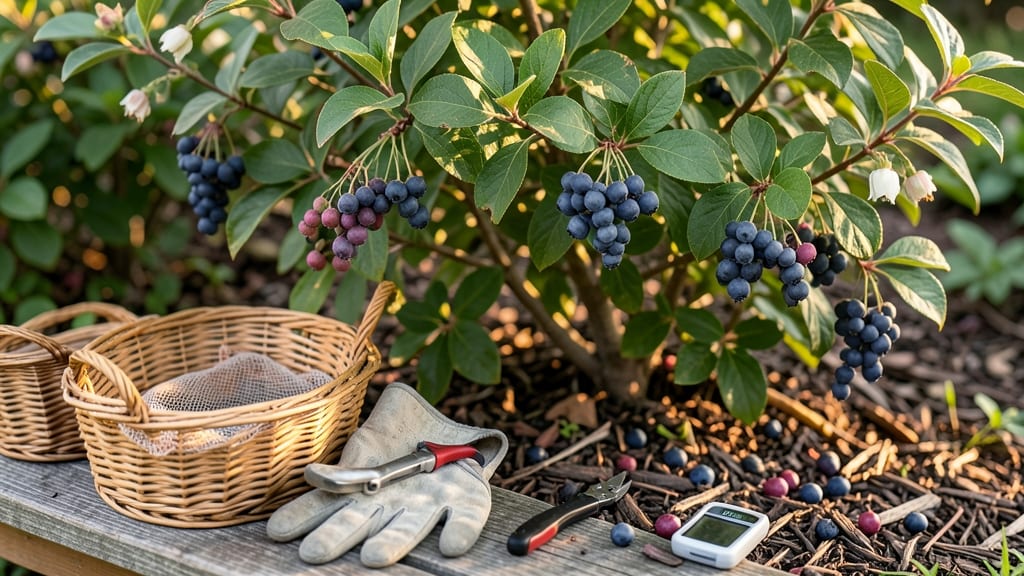
How to know when blueberries are ready to pick can turn a good harvest into a fantastic one—and skipping this step means missing out on peak flavor. The difference between a handful of tart, underripe berries and a bowl of sweet, juicy perfection often comes down to just a few key visual cues and simple tests.
If you've ever wondered why some blueberries taste bland or mealy, the answer lies in their ripeness. I’ll walk you through the exact signs to look for—from color changes to the telltale "give" when you gently squeeze a berry—so you never miss the best picking window again.
Whether you're dealing with early-season varieties that ripen in June or late bloomers stretching into August, these tricks work across all types. You’ll also learn how to avoid common mistakes, like picking too soon after a frost or confusing firmness with ripeness, so your harvest is always at its peak.
Ready to master the art of blueberry picking? Let’s dive into the simple steps that’ll have you harvesting like a pro in no time.
5 Key signs your blueberries are perfectly ripe for harvesting
Blueberries transform from tart green nubs to sweet, juicy jewels when ripe, but knowing the exact moment to pick can be tricky. The right timing ensures peak flavor and texture, while waiting too long risks bird feasts or overripe mush.
Let’s break down the five foolproof signs your blueberries are ready to harvest—no guesswork required!
First, focus on color consistency. Ripe blueberries should be a deep, uniform blue (or red/purple for varieties like ‘Patriot’ or ‘Pink Lemonade’). Green or patchy berries need more time, while overripe berries may appear dull or wrinkled. Pro tip: Check the underside—it should match the top color.
Surface texture is your next clue. Gently squeeze a berry between your thumb and forefinger—it should feel firm yet slightly soft, like a ripe peach. Avoid hard berries (underripe) or mushy ones (overripe). A glossy sheen also signals ripeness, while dullness means delayed picking.
Here’s where the stem test comes in: The berry should easily detach from the stem with a gentle twist. If it resists, it’s not ready; if it falls off too easily, it might be overripe. This test works best in the morning, when berries are cool and firmest.
🌱 5 Key Signs Your Blueberries Are Ready
- 1 Deep, uniform color: Berries are fully blue (or variety-specific red/purple) with no green.
- 2 Firm yet soft texture: Slightly yields to gentle pressure but isn’t mushy.
- 3 Easy stem separation: Twists off cleanly with minimal force.
- 4 Glossy sheen: Shiny surface indicates full ripeness.
- 5 Sweet-tart taste: Pop one in your mouth—no sourness remains.
⚠️ Pro Tip: Pick on dry mornings to avoid spreading mold. Use sharp scissors or your fingers—never pull branches!
Don’t overlook the taste test, especially for heirloom varieties like ‘Bluecrop’ or ‘Jersey’. A ripe blueberry should taste sweet-tart, not sour or bland. If you’re unsure, pick a few berries from different clusters—some may ripen faster than others.
Varieties like ‘Early Blue’ ripen first, while ‘Late Blue’ varieties follow weeks later.
Timing matters even more for frost-prone areas. If a late-spring frost is forecasted, harvest early to save your crop. Conversely, in hot climates, pick in the shade of the morning to preserve sweetness—sun exposure can make berries overripe faster. Always use clean containers to avoid bruising.
Finally, harvest frequency affects ripening. Pick every 2–3 days during peak season to encourage more production. Overlooking berries for too long can lead to bird raids or rotting clusters. Pro growers use bird netting to protect ripe berries while allowing pollinators access.
Now that you’ve mastered the visual and tactile cues, your blueberry harvest will be sweeter and more abundant than ever. Grab your picking basket, and enjoy the burst of flavor that comes from perfect timing! 🫐
Blueberry ripening stages explained: from green to ideal picking time
Understanding the blueberry ripening stages helps you predict when your bushes will yield the sweetest fruit. These stages—from flowering to full ripeness—span about 8-12 weeks, depending on your climate and variety.
Each phase brings distinct changes in color, texture, and flavor that signal whether it's time to harvest or wait a little longer.
First, blueberries bloom in early spring with white or pink flowers that eventually give way to tiny green berries. These immature berries grow rapidly but won’t ripen until they receive enough sunlight and warmth. During this phase, avoid picking—even if they look plump, they’ll taste tart and underdeveloped.
📋 Blueberry Ripening Stages at a Glance
| Stage | Key Features | Time to Harvest |
|---|---|---|
| Flowering | White/pink blooms appear in spring | Not ready |
| Green Berry | Small, firm, and bright green | Not ready |
| Color Change | Turns pink/red (varies by variety) | Not ready |
| Fully Colored | Deep blue/purple, glossy, soft but firm | Ready! |
| Overripe | Dark, wrinkled, or falling off easily | Too late |
One of the most critical factors in ripening is sunlight exposure. Blueberries need at least 6-8 hours of direct sun daily to develop their signature sweetness. If your bushes are in partial shade, the berries may stay smaller and less flavorful.
Additionally, temperature fluctuations play a role—cool nights followed by warm days accelerate ripening, while prolonged heat can cause berries to ripen unevenly.
Variety also matters! Early-season varieties like 'Jersey' or 'Bluecrop' ripen in June, while late-season types like 'Duke' or 'Patriot' peak in August. To track progress, I recommend labeling bushes by variety and checking them every 2-3 days once berries start coloring.
This way, you’ll catch the perfect window without missing a single ripe berry.
Environmental stress, like drought or extreme heat, can stall ripening. If your blueberries seem stuck in the pink/red phase, give them a deep watering and monitor for pests like birds or insects that might damage the fruit.
Once berries reach their final color and texture, they’re ready—don’t wait too long, or they’ll become mushy or attract pests.
Pro tip: Use a taste test on a few berries to confirm ripeness. A perfectly ripe blueberry should be juicy, sweet, and burst with flavor—not tart or mealy.
If you’re unsure, pick a few and let them sit at room temperature for 24 hours; they’ll sweeten further if they’re ready.