
How To
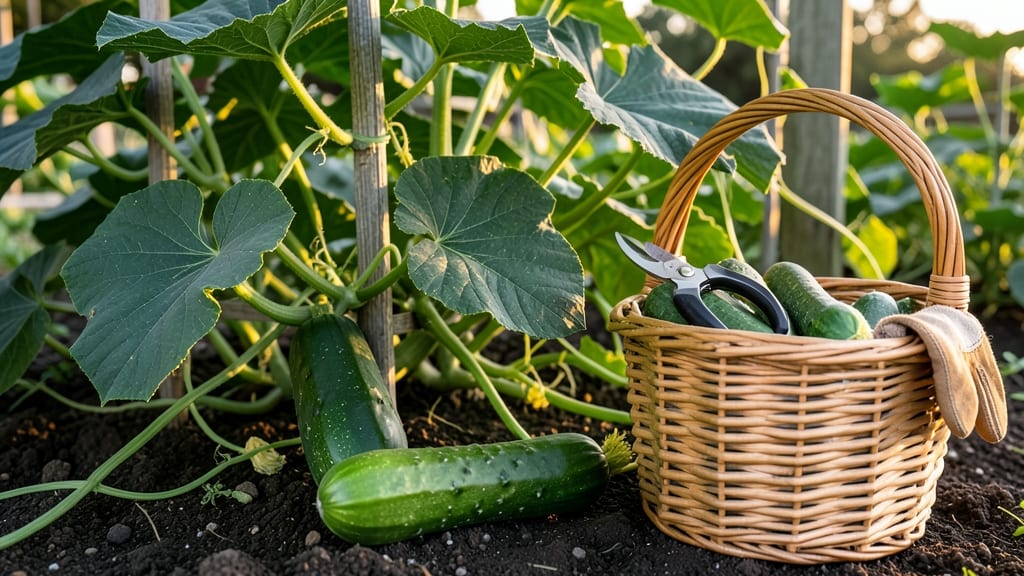
How to know when a cucumber is ready to pick can mean the difference between a crisp, flavorful harvest and a bitter disappointment. Many gardeners wait too long, only to find their cucumbers tough and seedy—or worse, shriveled on the vine.
Here’s the secret: it’s not just about size or color—it’s about three simple tactile tests that tell you when your cucumbers are at their peak. Whether you’re growing slicing varieties or pickling types, these methods will help you avoid common mistakes and ensure every harvest is perfect for your table.
From checking stem color to testing firmness with your thumb, I’ll walk you through the exact steps to pick cucumbers at the right moment. Plus, I’ll share how heat, rainfall, and even your cucumber’s variety can influence timing so you can adjust your strategy for the best results.
Ready to master the art of cucumber harvesting? Let’s dive into the foolproof techniques that will keep your garden productive and your kitchen stocked with fresh, delicious 🥒 all season long.
3 Tactile tests to determine cucumber ripeness (no guessing needed)
Cucumbers ripen quickly, and harvesting them at the right moment makes all the difference between a crisp, sweet vegetable and a seedy, bitter one. The key is using your senses—especially your eyes, fingers, and thumbs—to check for these three foolproof ripeness cues.
These tests work for all cucumber varieties, from slicing types to pickling varieties.
First, focus on the size and shape of the cucumber. Most slicing varieties are ready when they reach 6 to 8 inches in length, though some heirloom or long English types may need to grow longer.
Avoid harvesting when cucumbers are still smaller than 5 inches, as they’ll lack flavor and be overly watery.
Visual cue tip: Look for a consistent, deep color—dark green for slicing types, lighter green or yellow for pickling varieties. Uneven coloring or pale patches often mean the cucumber isn’t fully ripe yet.
Next, use your fingers to test firmness. A perfectly ripe cucumber should feel firm but not hard. Roll it between your fingers—if the skin separates slightly, it’s ready to pick. Overripe cucumbers will feel soft or spongy, while underripe ones will be tight and waxy.
Don’t overlook the stem end, which holds the secret to ripeness. When the cucumber is ready, the stem end will turn yellow or brown. If it’s still green, the cucumber isn’t mature yet.
This is especially important for pickling varieties, which should be harvested just as the stem begins to change color.
Pro tip: Harvest cucumbers in the morning when temperatures are cooler. This ensures they’ve had time to absorb moisture overnight, making them crispier and juicier when you slice them.
For long English cucumbers, wait until they reach 12–18 inches and develop a slight bulge near the stem. These varieties take longer to mature but reward you with milder, sweeter flavors when picked at the right time.
Remember, regular harvesting encourages your plants to produce more cucumbers. If you leave them on the vine too long, they’ll turn yellow, seedy, and bitter—a common mistake even experienced gardeners make.
Now that you know these tactile tests, you’ll never second-guess when to pick another cucumber again. Grab your pruners or sharp knife, and enjoy that perfectly crisp harvest every time! 🥒✂️
3 Tactile tests to determine cucumber ripeness (no guessing needed)
Determining the perfect moment to pick cucumbers isn't just about size—it's about three key tactile tests that reveal true ripeness. Many gardeners overlook these simple checks, leading to underripe, seedy, or bitter cucumbers.
By mastering these methods, you'll harvest cucumbers at their peak flavor and texture every time, whether for salads, pickling, or fresh eating.
First, focus on the stem end of the cucumber. A ripe cucumber will show a yellow or brown discoloration where it connects to the vine. This indicates the cucumber has matured enough to be harvested.
If the stem end remains bright green, it's still growing and needs more time on the vine. This simple visual cue saves you from picking cucumbers too early or too late.
Next, perform the firmness test by gently pressing the cucumber with your thumbnail. A ripe cucumber should have a slight give but shouldn’t feel mushy or overly soft. Underripe cucumbers feel hard and firm, while overripe ones become spongy or waterlogged.
This tactile check ensures you avoid the bitter, seedy cucumbers that develop when left too long on the vine.
For a final confirmation, use the skin roll test. Take the cucumber in your hands and gently roll it between your fingers. If the skin separates slightly from the flesh, it’s ripe and ready to harvest.
If the skin stays tight and intact, the cucumber needs more time. This test works especially well for dark green slicing varieties, where color alone isn’t always a reliable indicator.
Don’t forget to check the stem snap test—bend the cucumber gently at the stem end. A ripe cucumber’s stem will snap easily, while an unripe one will resist.
This final check ensures you’re harvesting at the optimal stage for maximum flavor and texture. Combine these tests for foolproof results every time you visit your garden.
Pro tip: Harvest cucumbers in the morning when temperatures are cooler. This reduces stress on the plant and ensures your cucumbers stay crisp and hydrated for longer. With these tactile tests, you’ll never second-guess when to pick again!