
How To
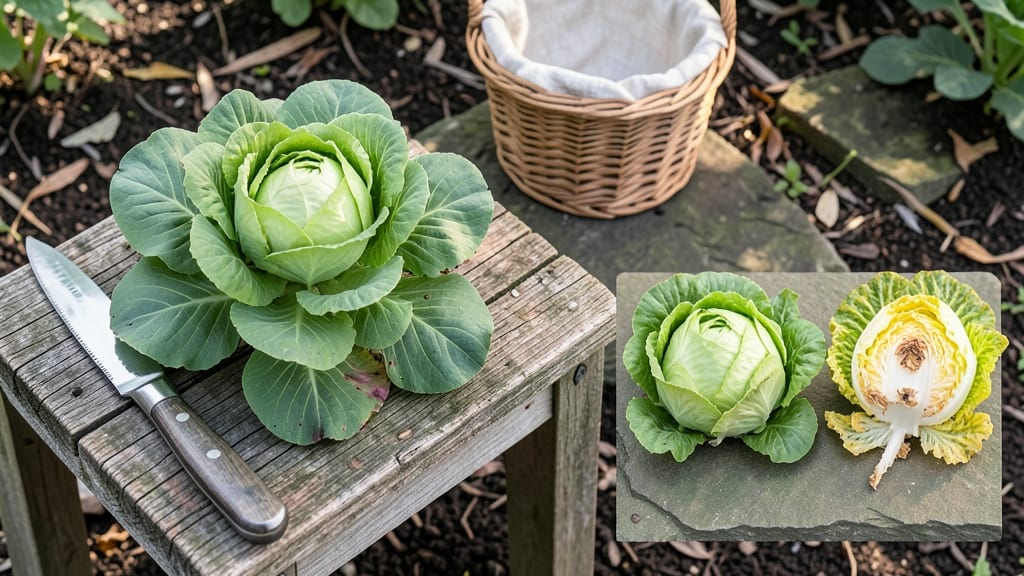
How to know when to pick lettuce can mean the difference between crisp, delicious greens and bitter, tough leaves. The right timing ensures you enjoy fresh, flavorful salads straight from your garden instead of wilted disappointment.
Most gardeners wait too long, letting lettuce bolt or turn bitter in the heat. But with a few simple visual cues—like leaf size, color, and firmness—you can harvest at the perfect moment. I’ll show you exactly what to look for, so you never miss the sweet spot.
Whether you’re growing loose-leaf varieties or tight heads, the key is acting before the plant sends up a flower stalk. Learn how to check texture, avoid common mistakes, and even pick at the best time of day for maximum freshness.
Ready to master the art of lettuce harvesting? Let’s dive into the signs that tell you it’s time to pull those leaves—and how to keep them tasting fresh for weeks.
Leaf color and size: the 3 key visual signals for perfect lettuce harvest
Timing your lettuce harvest correctly transforms your garden from bitter disappointment to crisp, flavorful success. The secret lies in three simple visual cues: leaf color, leaf size, and head formation.
Ignoring these signals often leads to woody stems or premature bolting—so let's break down what to watch for.
First, focus on the outer leaves. These are your best indicators of readiness because they mature first. For most varieties, aim for 4-6 inches in length—this is when lettuce hits peak tenderness. Smaller leaves mean the plant needs more time, while larger ones signal it's past its prime.
Color plays a crucial role too. Healthy lettuce should display deep, vibrant green hues throughout. Yellowing edges or pale centers are red flags—these suggest nutrient deficiencies or overmaturity. Some varieties like red leaf lettuce will develop their signature color at harvest time, so watch for those gradual shifts.
Now let's look at the head formation for varieties like romaine or iceberg. A fully formed, tight head means it's ready—no loose or sparse leaves peeking through. Loose-leaf types don't form heads, so focus instead on uniform leaf size across the plant.
| Signal | Ready Lettuce | Not Ready Lettuce |
|---|---|---|
| Leaf Size | Outer leaves 4-6" long | Leaves <3" long |
| Color | Vibrant green (or variety-specific) | Yellowing edges or pale |
| Head Formation | Tight, full head (head types) | Loose or sparse leaves |
| Texture | Crisp and firm | Soft or rubbery |
One common mistake is harvesting based solely on plant age. While most lettuce varieties mature in 30-60 days, environmental factors like temperature and sunlight can shift this window. For example, heat stress causes lettuce to bolt prematurely—so always prioritize visual cues over calendar dates.
For loose-leaf varieties, you can harvest outer leaves first to encourage continuous growth. This "cut-and-come-again" method works best when leaves reach 3-4 inches. Just avoid removing more than 1/3 of the plant at once to prevent stress.
If your lettuce develops yellow stems or flowers, it's already bolting—too late for a quality harvest. This happens when days get longer (typically in late spring) or when plants experience heat waves. To prevent this, provide partial shade during hot afternoons and keep soil consistently moist.
Pro tip: Morning harvests yield the crispest lettuce because evening heat can cause wilting. After picking, store lettuce in the crisper drawer of your fridge wrapped in a damp paper towel to maintain freshness for up to 7-10 days.
Remember, the earlier you harvest, the more tender your lettuce will be. But don't wait until leaves turn bitter or tough—those are clear signs you've missed the window. With these visual cues, you'll consistently enjoy lettuce at its peak!
Leaf color and size: the 3 key visual signals for perfect lettuce harvest
When your lettuce plants reach the right harvest stage, the difference between crisp, flavorful greens and bitter, tough leaves comes down to three key visual cues. Ignoring these signals often leads to overmature lettuce or premature bolting, especially during hot summer months or late-season growth.
First, focus on leaf color. Healthy lettuce leaves should be a vibrant deep green with no yellowing or browning edges. Yellowing often signals nutrient deficiencies or overwatering, while browning can mean heat stress or dry soil.
For varieties like romaine or iceberg, this color consistency is critical for that crisp texture we all love.
| Signal | What to Look For | Action |
|---|---|---|
| Leaf Color | Vibrant deep green, no yellow/brown | Harvest now |
| Leaf Size | Outer leaves 4-6 inches long | Harvest outer leaves first |
| Head Formation | Firm, compact head (for head lettuce) | Harvest entire head |
Next, check leaf size. For most varieties, the outer leaves should reach 4 to 6 inches in length.
This is your harvest window—waiting longer risks the leaves becoming woody or bitter, while harvesting too early means smaller yields. Loose-leaf varieties like buttercrunch or arugula can be harvested as soon as they hit this size, while head lettuce varieties need a fully formed compact head.
Finally, pay attention to the head formation in head lettuce varieties. The head should feel firm and tight, not loose or spreading. If the head starts to loosen or split, it’s past its prime.
For loose-leaf varieties, focus instead on the overall plant density—if the plant looks crowded with large leaves, it’s ready for harvest.
One common mistake is assuming all lettuce varieties mature at the same rate. Leaf lettuce like romaine often matures faster (30-45 days) than butterhead varieties (45-60 days). Always check the seed packet for variety-specific guidelines, but trust your eyes for the final call.
Pro tip: If your lettuce starts bolting (sending up a tall flower stalk), it’s a sign of heat stress or overmaturity. Harvest immediately—bolted lettuce becomes extremely bitter and tough.
For late-season harvests, use shade cloth to protect plants from intense afternoon sun and extend your harvest window by 1-2 weeks.