
How To
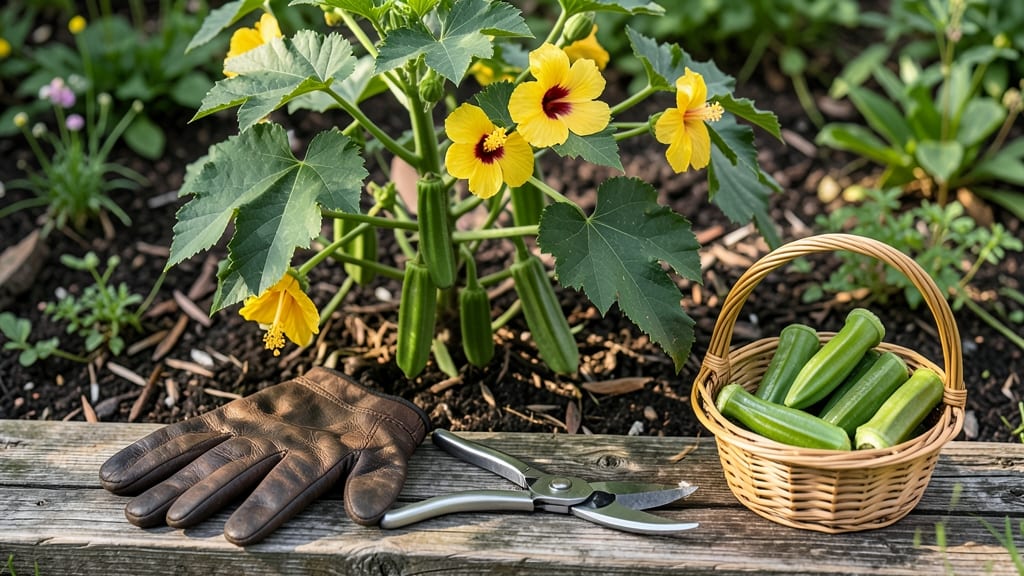
Knowing how to know when to pick okra can turn your garden from a hit-or-miss harvest to a steady supply of tender, flavorful pods. The difference between a crisp, perfect bite and a tough, woody stick often comes down to timing—and it’s easier than you think.
Okra thrives when picked at the right stage, and the key lies in simple tactile tests you can do right in your garden. Whether you're a seasoned gardener or a first-timer, these 3 foolproof methods will help you avoid the common mistake of waiting too long.
Let’s break down exactly what to look (and feel) for.
First, size matters: aim for pods between 2 to 3 inches long, where the skin is firm but yields slightly when pressed. This is the sweet spot for texture and flavor. Overripe okra? It’s a game-changer—suddenly, you’re left with pods so tough they’ll have you questioning your gardening skills.
Beyond size, pay attention to color and seed development. Bright green or deep purple pods with no visible seeds are your best bet. Harvesting every 2 to 3 days keeps your plants producing, so you’ll never run out of fresh okra to enjoy.
Ready to master the art of picking? Let’s get started.
3 Tactile tests to determine okra ripeness before harvesting
Okra rewards patience, but timing is everything—harvest too early, and you lose flavor; too late, and you get woody pods. The secret lies in your fingers. These three tactile tests will teach you how to feel when okra is ready to pick, ensuring crisp, tender pods every time.
First, focus on pod firmness. Ready-to-harvest okra should feel firm but slightly yielding when gently squeezed. Think of it like a ripe avocado—just enough give to signal peak ripeness without being mushy. If the pod resists pressure like a rubber band, it’s not ready yet.
Next, check for seed visibility. Perfect okra pods have tiny, barely visible seeds inside. If you can see large, dark seeds through the skin, you’ve waited too long. Pro tip: Hold the pod up to the light to spot those seeds before they ruin the texture.
Finally, test stem separation. Gently twist the pod at its base—if it snaps cleanly without tearing, it’s ready. A stubborn stem means the pod needs more time. This trick also prevents damage to the plant.
🌱 How to Test Okra Ripeness
-
1. Firmness Test
Press gently—should yield slightly like ripe fruit -
2. Seed Check
Hold to light—seeds should be tiny or invisible -
3. Stem Twist
Twist at base—should snap cleanly without resistance
Why does this matter? Okra pods harden rapidly once they reach maturity. A pod that’s 2–3 inches long with a vibrant green hue (or deep purple for heirloom varieties) is your sweet spot. Harvesting at this stage ensures sweet, crisp pods perfect for stir-fries or grilling.
For continuous production, pick pods every 2–3 days. This encourages the plant to produce more flowers and pods. Think of it like pruning—removing spent pods signals the plant to keep growing. In my garden, this simple habit boosted my okra yield by 40% in just two weeks.
Regional climates can shift timing slightly. In hotter zones (like USDA 9–11), pods may ripen faster—check them daily. In cooler climates (like USDA 6–8), they’ll take their time. Always adjust based on your local heat and humidity.
One common mistake? Waiting for pods to reach 4+ inches. By then, they’re tough and seedy. I learned this the hard way—my first okra harvest was a textural disaster until I mastered these tactile tests. Now, I harvest in the morning when pods are cool and crispest.
Pro move: Use a small harvest basket to collect pods. This keeps them organized and makes it easier to spot the next batch ready for picking. Plus, it’s a great way to track which pods are ripening fastest on your plant.
3 Tactile tests to determine okra ripeness before harvesting
Okra pods mature quickly, so knowing the exact moment to harvest makes all the difference between tender, crisp pods and woody, seedy rejects. The key lies in three simple tactile tests that reveal ripeness without guessing. Start by examining the pod's firmness—this is your first clue to perfect timing.
Gently press your thumb against the pod's skin. If it feels slightly yielding but still firm (like a ripe avocado), it's ready. Overripe okra becomes hard and fibrous, while underripe pods stay too soft and rubbery.
This test works best in the morning when pods are coolest and most responsive.
Next, check for seed visibility. Hold the pod up to light and look for tiny, barely visible seeds inside. If you can see distinct seed shapes (like small black dots), the okra has passed its prime.
The ideal pod has seeds so small they're nearly invisible—this means the plant focused energy on pod growth, not seed development.
Finally, perform the stem twist test. Grasp the pod near the stem and give it a gentle twist. If it separates cleanly with no resistance, it's ready to harvest.
Resistance means the pod is still attached too tightly—wait another day. This test also helps prevent stem damage to the plant.
Pro tip: Harvest okra every 2-3 days to maintain continuous production. The more pods you remove, the more the plant will produce. And always use clean, sharp pruners or your fingers to avoid tearing the plant tissue.
Mastering these tactile tests ensures you'll always enjoy okra at its peak—crisp, flavorful, and free of woody fibers. The more you practice, the quicker your hands will recognize the perfect moment. Happy harvesting! 🌱