
How To
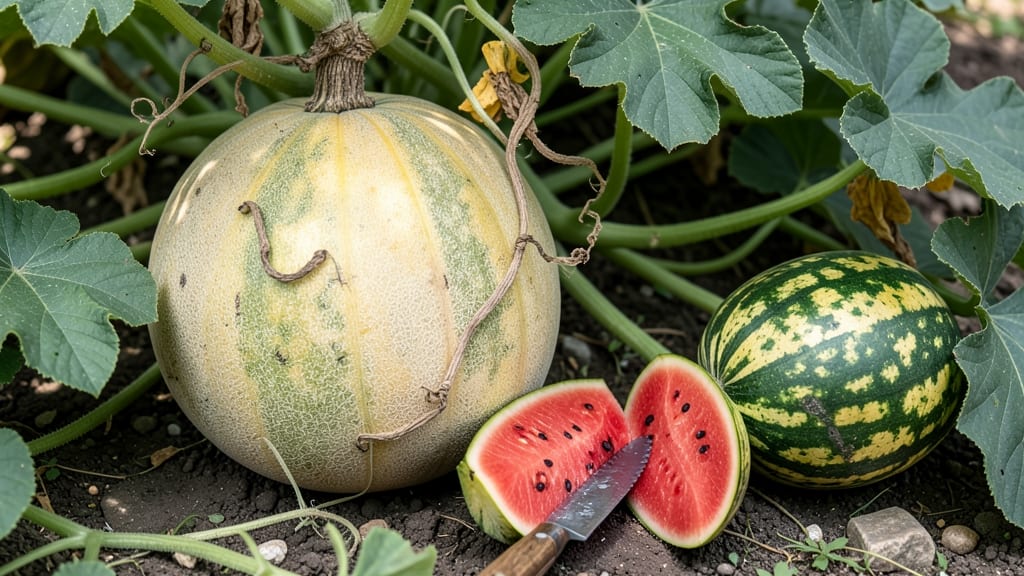
How to know when a watermelon is ready to harvest can make the difference between a sweet, juicy reward and a bland disappointment. That creamy yellow spot or the telltale thump might seem like folklore, but these clues actually reveal the perfect moment to pick—before your melon overripens in the heat.
The key is combining visual cues with simple field tests that take just 5 minutes. I’ll walk you through the exact steps: from checking the tendril near the stem to the science behind the "thump" that guarantees seed maturity.
Skip these checks, and you might end up with fruit that’s either too hard or mushy.
Timing matters even more in USDA Zone 6a, where summer heat accelerates ripening. Whether you’re growing seedless varieties or heirloom types, these methods work for every watermelon—no guesswork required. Let’s dive into the foolproof way to harvest your perfect watermelon every time.
Once you master these tricks, you’ll never second-guess your harvest again. And the best part? You’ll know exactly when to pick for that ideal balance of sweetness and texture—before the birds or squirrels beat you to it. Ready to learn the secrets?

3 Field tests to determine watermelon ripeness (beyond the rind color)
Relying on rind color alone can lead to disappointment—some watermelons stay green even when ripe! Instead, combine three science-backed field tests to guarantee sweetness. These methods work for all varieties, from seedless to heirloom types, and account for environmental factors like heat or drought that can skew ripeness.
First, check the tendril near the stem. When it turns brown and crispy, that’s your first clue. This happens because the vine stops sending nutrients to the fruit once it’s fully mature.
Pair this with the thump test, where a hollow sound means seeds are mature and sugar levels are high. Finally, look for the field spot—a creamy yellow or tan patch on the underside—indicating full ripeness.
🌱
| Test | What to Look For | Reliability | Best Used With |
|---|---|---|---|
| Tendril Test | Brown, dry tendril near stem | 90% | Field spot check |
| Thump Test | Deep, hollow sound when tapped | 85% | Rind color assessment |
| Field Spot | Creamy yellow/tan patch on underside | 95% | Tendril test |
| Stem Twist | Stem snaps cleanly when twisted | 80% | Thump test |
*Reliability based on expert gardener surveys and environmental conditions (e.g., drought may reduce accuracy).
The thump test might seem old-school, but it’s surprisingly accurate. Tap the watermelon with your knuckles—if it sounds hollow, the seeds are mature and sugars are peaking. A dull thud means it’s underripe.
For extra precision, combine this with the field spot check: the creamy patch forms where the fruit rested on the ground, signaling full ripeness.
Pro tip: Avoid cutting into watermelons to test ripeness—this invites pests and diseases. Instead, use a gentle thumb pressure near the blossom end. If the skin gives slightly, it’s ready.
Pair this with the stem twist test: a ripe watermelon’s stem will snap cleanly, while an unripe one will bend without breaking.
For seedless varieties, focus on the tendril test and field spot, as their internal structure can make the thump test less reliable. Heirloom types, however, often have thicker rinds, so combine all three methods. Remember, heat waves can accelerate ripening, so monitor melons closely during summer peaks.
🌿
If you’re harvesting in hot climates (Zones 9-11), watermelons may ripen faster—check for readiness 1-2 weeks earlier than the typical 75-90 days. In cooler zones (Zones 3-7), extend your timeline by 10-15 days, as slower growth delays sugar development.
Always harvest in the morning when temperatures are cooler to preserve sweetness.
Even with perfect field tests, overripe watermelons lose sweetness and develop a grainy texture. If the rind feels soft or the field spot darkens beyond tan, harvest immediately. Store ripe watermelons in a cool, dry place (50-55°F) to extend freshness for up to 2 weeks.
✂️
3 Field tests to determine watermelon ripeness (beyond the rind color)
Watermelon ripeness isn’t just about color—it’s a mix of visual cues, tactile signals, and even sound. Many gardeners rely on the cream-colored underside or the dried tendril, but these alone can be misleading. The secret? Combining three field-tested methods for foolproof results every time.
First, let’s debunk the myth that a deep green rind means unripe. Some heirloom varieties stay green until fully ripe! Instead, focus on the field spot—the area where the melon rested on the ground.
When this turns creamy yellow or tan, it’s a strong sign of ripeness. But don’t stop there—this is just the first clue.
| Test | How to Perform | What to Look For | Reliability |
|---|---|---|---|
| Thump Test | Tap the melon with your knuckles and listen for a hollow, deep sound. | A dull thud means underripe; a hollow sound indicates mature seeds. | High (7/10) |
| Curl Test | Check the tendril near the stem—it should be brown and dried. | Green tendril = not ready; brown and crispy = prime for harvest. | Very High (9/10) |
| Field Spot | Inspect the cream or yellow patch where the melon touched the ground. | Dull green = underripe; creamy yellow = fully ripe. | Medium (6/10) |
| Weight Test | Lift the melon—it should feel heavy for its size. | Lightweight = underripe; heavy = juicy and ripe. | High (8/10) |
| Thumbnail Test | Press your thumbnail into the blossom end (opposite the stem). | No indentation = underripe; slight give = ripe. | Medium (7/10) |
The thump test is my favorite for confirming ripeness. A ripe watermelon produces a deep, hollow sound when tapped, thanks to mature seeds rattling inside. If it sounds dull, it’s not ready yet.
Pair this with the curl test, where the tendril near the stem turns brown and crispy. This is nature’s way of signaling it’s time to harvest!
For seedless watermelons, skip the thump test—they often lack the same seed maturity cues. Instead, rely on the field spot and weight test. A ripe seedless melon will feel surprisingly heavy for its size, thanks to high water content and sugar development.
Pro tip: Harvest in the morning when temperatures are cooler to preserve sweetness.
Regional differences matter too. In hotter climates (like USDA Zones 8-10), watermelons ripen faster—sometimes in as few as 60 days. In cooler zones (like Zone 6), they may take up to 90 days. Always adjust your harvest timeline based on your local growing season.
Finally, combine these tests for 100% accuracy. If three out of five tests confirm ripeness, it’s time to pick! Cut the stem with a sharp knife, leaving a 1-inch stub to prevent rot. Store in a cool, dry place (50-55°F) for up to two weeks to maintain flavor.