
Tools
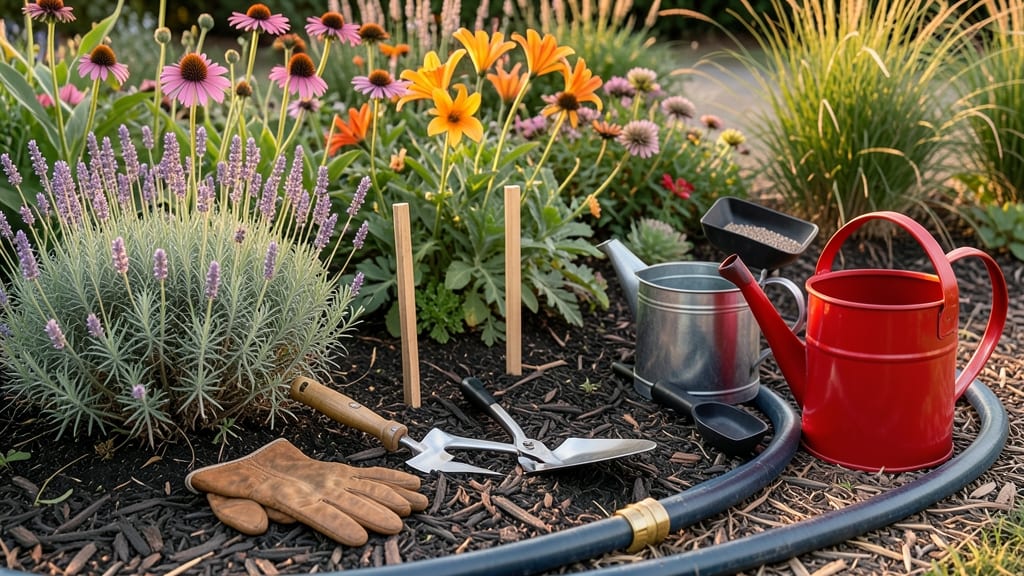
Your garden doesn’t need to be a high-maintenance project—just a few smart habits keep it thriving all year. ✨ I’ve maintained gardens through droughts, pests, and even my own forgetfulness, and the secret isn’t working harder—it’s working smarter.
A consistent routine of watering, pruning, and soil checks turns chaotic plots into lush, productive spaces that reward you with beauty (and maybe even dinner) all season long.
The real game-changer? Smart watering tech—like drip irrigation or soil moisture sensors—that saves time and keeps roots happy without guesswork. Pair that with weekly checks for weeds, pests, and overgrown stems, and you’ll spend less time struggling and more time enjoying your garden.
Even beginners can master this in 30 minutes a week once they know the right moves.
By summer’s end, you’ll have a garden that stays vibrant without constant babysitting—think glossy leaves, abundant blooms, and vegetables that actually make it to harvest. The best part?
These methods work for veggie patches, flower beds, or herb gardens, so no matter what you’re growing, you’ll get results that make your neighbors take notes.
Whether you’re dealing with clay soil, scorching sun, or a busy schedule, this system adapts. Let’s cut through the overwhelm and get your garden working for you—not against you—so you can enjoy the fruits (and flowers) of your labor all year.
📚 In This Guide
- What you need
- Instructions
- Tips and common mistakes
- Wrapping up and next steps
What you need
- ● Hand Trowel – A small, sturdy trowel (6-8" blade) for planting, weeding, and soil work.
- ● Pruning Shears – Bypass pruners (sharp, 6-8" blades) for trimming plants and deadheading.
- ● Garden Gloves – Durable, breathable gloves (e.g., leather or synthetic) to protect hands from thorns and dirt.
- ● Watering Can or Hose – A 1-2 gallon watering can for precision or a lightweight hose (with adjustable nozzle) for larger areas.
- ○ Smart Watering System (Optional but Recommended) – Soil moisture sensors (e.g., Rachio or Orbit B-Hyve) or drip irrigation kits for automated efficiency.
- ● Mulch – Organic (wood chips, straw) or inorganic (gravel, rubber) mulch (2-4" layer) to retain moisture and suppress weeds.
- ● Fertilizer – Slow-release granular (10-10-10 NPK ratio) or organic options like compost or worm castings.
- ● Soil pH Tester – Digital or liquid test kit to monitor soil health (aim for 6.0-7.0 pH for most plants).
- ● Wheelbarrow or Garden Cart – 2-3 cubic feet capacity for hauling soil, mulch, or debris.
- ● Stakes & Twine – 12-18" wooden or bamboo stakes + soft twine for supporting tall plants (e.g., tomatoes, peas).
- ● Lawn Mower or String Trimmer – For larger grassy areas (electric or gas-powered, depending on yard size).
- ● Soil Aerator – Manual or powered (e.g., spike or core aerator) to improve drainage in compacted soil.
- ● Compost Bin – 3-5 cubic feet capacity to recycle kitchen/garden waste into nutrient-rich compost.
- ● Bird & Pest Deterrents – Decorative wind chimes, netting, or organic sprays (e.g., neem oil).
- ● Garden Journal – Notebook or app (e.g., Gardenate) to track plantings, watering schedules, and growth milestones.
- ● Solar-Powered Lights – For evening ambiance and safety (e.g., stake lights or path markers).
Tips & tricks for perfect year-long garden maintenance
Smart gardening isn't about constant effort—it's about strategic planning and small, consistent actions that pay off big. Here's how to elevate your garden care game without adding hours to your week.
Sensor Placement Precision: When installing those 3-inch-deep soil moisture sensors in Step 1, focus on the dripline of mature plants—not the center. This is where roots actively seek moisture, and sensors here give you the most accurate reading for watering needs. I've found that placing sensors in multiple zones (shady vs sunny areas) reveals surprising differences in soil dryness that manual watering would miss.
Seasonal Soil Temperature Hack: That 45-75°F range for cool-season crops in Step 2 isn't just a target—it's a window for action. Use a soil thermometer to check temperatures every 2-3 days during transition seasons (spring/fall). If temps hover near the lower end for more than 48 hours, consider using black plastic mulch to warm the soil faster. For warm-season plants, if your soil stays below 60°F for a week, delay planting until temperatures stabilize—no amount of watering will compensate for cold soil.
Pruning Timing That Works: The ⅓ height reduction in Step 3 is perfect, but timing matters just as much. Prune perennials on a dry morning after the dew has evaporated but before the heat of midday. This prevents fungal spores from spreading on wet foliage and gives cuts time to dry before evening moisture arrives. I've noticed that plants pruned this way show new growth within 5-7 days, while those pruned at other times take nearly twice as long to respond.
Fertilizer Application Strategy: That 3-inch band around the drip line in Step 4 is brilliant, but here's the pro move: water the soil thoroughly first, then apply the fertilizer, then water again. This two-step process prevents fertilizer burn by giving the granules time to dissolve before reaching sensitive roots. For container plants, I mix water-soluble fertilizer with water in a spray bottle first—this ensures even distribution without overloading any single spot.
Pro Tips for Maintain A Garden
- Smart gardening isn't about constant effort—it's about strategic planning and small, consistent actions that pay off big.
- Sensor Placement Precision: When installing those 3-inch-deep soil moisture sensors in Step 1, focus on the dripline of mature plants—not the center.
- Seasonal Soil Temperature Hack: That 45-75°F range for cool-season crops in Step 2 isn't just a target—it's a window for action.
Frequently asked questions
Got questions about keeping your garden thriving all year? Here are some of the most common ones—and their smart solutions!
What’s the best watering schedule for a low-maintenance garden?
Most gardens thrive with 1–1.5 inches of water per week, either from rain or irrigation. Use drip systems or smart timers to water early in the morning (4–8 AM) to reduce evaporation and fungal risks. Adjust in extreme heat—deep watering 2–3x weekly beats shallow daily doses.
How do I fix overwatered or underwatered plants?
For overwatered plants: Stop watering immediately, loosen compacted soil, and let it dry out. For underwatered ones, water deeply until moisture reaches 6–8 inches down. Mulch helps retain moisture—apply 2–3 inches around plants to regulate soil temp and hydration.
When is the best time to prune perennials and shrubs?
Prune spring-blooming perennials (like peonies) right after flowering (late spring/early summer). For summer/fall bloomers (e.g., coneflowers), prune in early spring before new growth starts. Shrubs? Late winter/early spring (before buds swell) is ideal—never prune in fall unless reviving deadwood.
Are there budget-friendly alternatives to expensive garden tech?
Yes! Skip pricy smart controllers and try:
- DIY drip systems: Use soaker hoses ($10–$20) with a manual timer ($15–$30).
- Rainwater harvesting: Place barrels under gutters to reuse free H₂O.
- Group plants by needs to simplify watering zones.
- Free soil tests: Check local extension offices for pH/fertility analysis.
What’s the fastest way to deal with pests without chemicals?
Start with prevention:
- Introduce beneficial insects (ladybugs, lacewings) for aphids.
- Use neem oil (mix 1 tbsp with 1 quart water + soap) for soft-bodied pests.
- Handpick caterpillars/slugs at night (drop in soapy water).
- Install row covers for cabbage worms or flea beetles.
Wrapping up and next steps
Maintaining a thriving garden year-round is absolutely achievable with the right tools, techniques, and a little dedication! 🌱 By investing in smart watering tech, understanding seasonal needs, and staying consistent with care, you’ll enjoy a lush, vibrant space that brings joy—and maybe even fresh produce—to your doorstep.
Start small if needed, but take that first step today: pick one task from this guide and make it your weekend project!
- 💡 Pro Tip: Keep a garden journal to track what works (and what doesn’t)—it’s your secret weapon for long-term success!