
Shrubs
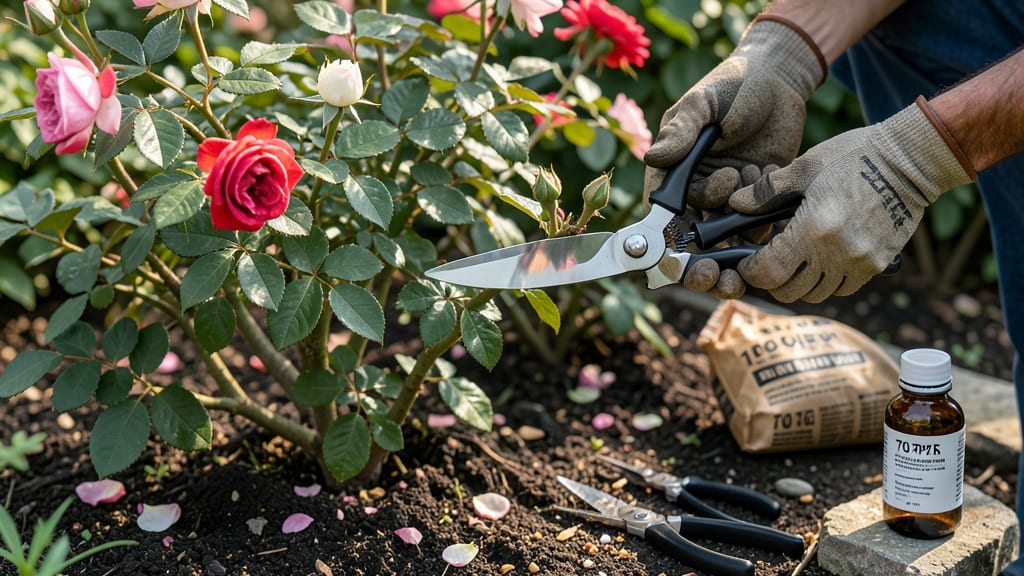
How to make a rose bush fuller—your rose bush could be hiding its full potential, just waiting for the right cuts and feed. ✂️ Last summer, my leggy climber went from sparse to lush in just 6 weeks after a few key adjustments. The secret? Pruning for shape and feeding the roots to encourage thick, bushy growth—not just more flowers.
Most gardeners over-prune or skip fertilizer entirely, both of which stunt fullness. You’ll need sharp pruners, a balanced rose fertilizer, and a clear understanding of which stems to cut back (hint: it’s not just the dead ones).
The goal is to open up the center for airflow while encouraging new shoots from the base.
By summer’s end, you’ll have a bush so dense it looks like a cloud of blooms. The key is timing: prune in early spring when buds swell, feed every 4-6 weeks, and watch those bare spots fill with vibrant new growth. Even neglected bushes bounce back with this method.
Works for hybrid teas, floribundas, and old garden roses alike—just adjust the pruning angle slightly for different types. Let’s turn that sparse bush into a showstopper before next season.
📚 In This Guide
- What you need
- Instructions
- Tips and common mistakes
- Wrapping up and next steps
What you need
- ● Pruning shears – Sharp, clean, and bypass-style (avoid anvil shears to prevent crushing stems). 1 pair is all you need!
- ● Garden gloves – Heavy-duty, cut-resistant gloves (thorns are no joke!). 1 pair for protection.
- ● Disinfectant (rubbing alcohol or 10% bleach solution) – To sterilize tools between cuts. Small bottle or spray.
- ● Compost or well-aged manure – Organic matter to enrich soil. 5–10 gallons (depending on bush size).
- ● Balanced fertilizer (10-10-10 or 20-20-20) – For nutrient boost. 1–2 lbs (follow package rates).
- ○ Slow-release rose fertilizer – Optional but ideal for long-term growth. 1 bag (covering instructions).
- ● Loppers – For thicker stems (if your bush is mature). 1 pair.
- ● Hose with nozzle – To clean tools and rinse cuts. Standard garden hose.
- ● Mulch (pine bark or straw) – Retains moisture and regulates soil temp. 2–3 inches thick.
- ● pH test kit – Ensures soil is 6.0–6.5 (roses love slightly acidic soil). 1 kit.
Step-by-Step instructions for pruning and fertilizing rose bushes
Here's my foolproof method to transform a sparse rose bush into a lush, blooming powerhouse.
✂️ Step 1: Prune in Late Winter or Early Spring
Wait until after the last hard frost when your region's temperatures stay above 32°F at night. This timing ensures you're not cutting back new growth that might freeze. I like to prune on a dry, sunny day when I can see the structure clearly—cloudy days make it harder to spot dead wood.
Start by removing any dead, diseased, or crossing branches first. These are the easiest to spot—they're brown, mushy, or growing directly into other stems. Cut back to a healthy outward-facing bud or branch junction. You'll know you're on the right track when you see 3-5 strong canes remaining per bush, each with multiple buds along their length.
🌿 Step 2: Shape for Airflow and Light Penetration
Step back and look at your rose bush as a whole. The goal is to create an open center that lets sunlight and air circulate. I cut back the longest canes by about one-third, making the cut just above an outward-facing bud. This encourages bushier growth from the base while maintaining the plant's natural shape.
For hybrid teas and grandifloras, I aim to leave 5-7 main stems after pruning. For shrub roses, I keep 7-10 stems since they bloom on old wood. Watch for any stems growing straight into the center—these need to go. You'll see the difference immediately when you can peer through the center of the bush without obstruction.
💧 Step 3: Apply Balanced Fertilizer After Pruning
Within a week of pruning, feed your roses with a balanced rose fertilizer (10-10-10 ratio works well). I like to work the granules into the top 2-3 inches of soil around the base, being careful not to let any touch the stems. Water deeply after applying to help distribute the nutrients.
For established bushes, I use about 1 tablespoon per year of plant age (up to 3 tablespoons max). Newer plants need less—just ½ tablespoon is plenty. You'll notice new growth appearing within 2-3 weeks if the fertilizer is working. Look for fresh, vibrant green leaves emerging from the base of the canes.
☀️ Step 4: Maintain Through the Growing Season
Keep your roses well-watered, providing 1-2 inches of water per week during the growing season. I water at the base in the morning to prevent fungal diseases. Mulch with 2-3 inches of organic mulch (like shredded bark) to retain moisture and regulate soil temperature.
Deadhead spent blooms regularly by cutting just above a set of healthy leaves. This redirects the plant's energy into producing more flowers instead of seed pods. You'll see a steady stream of new buds forming along the canes within 4-6 weeks of consistent care. For extra fullness, I pinch back new growth by one-third when it reaches 4-6 inches tall—this encourages branching.
⏰ Step 5: Prepare for Next Year's Growth
In late summer, apply a low-nitrogen fertilizer (like 5-10-10) to promote root development and prepare for next year's blooms. This is also the time to check for any suckers—those unwanted shoots growing from the base or along the stem. Remove them immediately to keep energy focused on your main canes.
Before the first frost, give your roses one final deep watering. This helps them establish roots before dormancy. I also add a 2-inch layer of mulch to protect the roots from freezing temperatures. You'll see the payoff next spring when your bush bursts with dense, healthy foliage and an abundance of blooms.
Tips & tricks for perfect rose bush pruning and fertilizing
These simple strategies will help you avoid common mistakes and maximize your rose bush's potential for fullness and blooms.
Timing is Everything: I can't stress enough how critical the 32°F temperature rule is for pruning. If you're unsure about frost dates, check your local agricultural extension service—they provide precise frost forecasts. I've seen gardeners prune too early and regret it when new growth gets nipped by unexpected frost. Wait until you can see the last frost warning has passed in your area.
Visual Pruning Cues: When shaping your rose bush in Step 2, look for the "V" shape where branches grow outward from the center. Always cut just above these outward-facing buds—they'll become your new growth points. I like to hold the branch at a 45-degree angle to the cut to prevent water from pooling on the wound, which could lead to disease. This small detail makes a big difference in how quickly your bush recovers.
Fertilizer Application Technique: Don't just sprinkle fertilizer on top of the soil—work it into the top 2-3 inches around the base. I use a small hand trowel to gently loosen the soil first, then mix in the granules. This ensures the roots get immediate access to nutrients rather than having to wait for rain to wash them down. For established bushes, I divide the fertilizer into three equal portions and apply them every 4-6 weeks during the growing season.
Watering Wisdom: The 1-2 inches per week guideline is perfect, but timing matters just as much. Always water in the morning so the foliage has all day to dry out. Wet leaves at night create the perfect environment for fungal diseases like black spot. I set a rain gauge near my roses to track exactly how much water they're getting—it's amazing how much variation there can be between different parts of the yard.
Pro Tips for Make A Rose Bush Fuller
- These simple strategies will help you avoid common mistakes and maximize your rose bush's potential for fullness and blooms.
- Timing is Everything: I can't stress enough how critical the 32°F temperature rule is for pruning.
- Visual Pruning Cues: When shaping your rose bush in Step 2, look for the "V" shape where branches grow outward from the center.
Frequently asked questions
When is the best time to prune for fuller growth?
Prune your rose bush in early spring (just as new growth begins) or late winter (before buds swell). Avoid pruning in fall—it can stress the plant and leave it vulnerable to cold. For climbers or repeat-bloomers, a light trim after the first flush of flowers also encourages denser foliage.
Can I use regular garden soil to fertilize my rose bush?
Nope! Roses thrive on nutrient-rich, well-draining soil—regular garden soil may lack the phosphorus and potassium they need for blooms. Mix in compost or use a balanced rose fertilizer (10-10-10 or 5-10-5) every 4-6 weeks during growing season. Pro tip: Test your soil first—many nurseries offer cheap kits!
Why does my rose bush look sparse even after pruning?
Sparse growth often stems from over-pruning, poor nutrition, or disease. Check for:
- Dead or diseased canes (prune those out immediately).
- Insufficient sunlight (roses need 6+ hours of sun daily).
- Underwatering (keep soil moist but not soggy).
Do I need to remove all the dead flowers (deadheading)?
Yes!
Deadheading (snipping spent blooms) redirects energy from seed production to new growth and flowers. Use clean pruners to cut just above a leaf node (the bump where leaves grow). For repeat-blooming roses, deadhead regularly; for once-blooming varieties, skip it to save energy for next year.
What’s a quick fix for a leggy rose bush?
If your bush looks tall and skinny, it’s likely overgrown or underfed. Try this:
- Prune back 1/3 of the tallest canes to encourage branching.
- Apply a nitrogen-rich fertilizer (like 10-5-5) to promote leafy growth.
- Pinch back new growth in spring to force bushier stems.
Can I use coffee grounds or eggshells as fertilizer?
Coffee grounds
(used sparingly—too much acidifies soil) add nitrogen, while crushed eggshells provide calcium for strong stems. Mix them into the soil around the base, but don’t replace your regular rose fertilizer—they’re supplements, not full meals.
Wrapping up and next steps
Transforming your rose bush into a lush, full masterpiece is totally within reach—just follow the right steps! With consistent pruning, fertilizing, and a little TLC, you’ll soon enjoy a bush bursting with vibrant blooms. 🌹
Now that you’re armed with the know-how, grab your shears and get growing! Start with a fresh round of pruning or adjust your feeding schedule—your roses will thank you with exquisite abundance. Happy gardening!