
How To
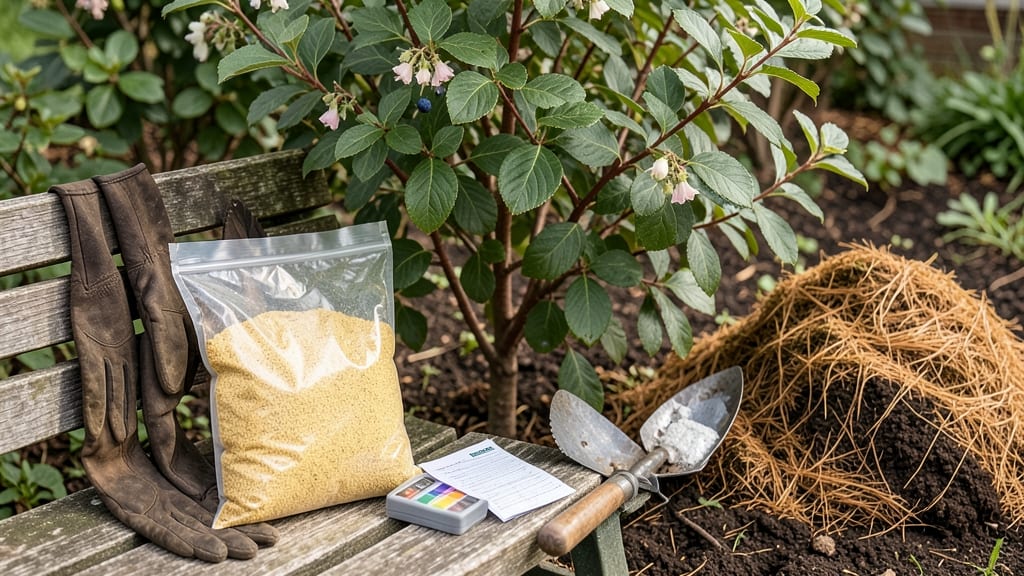
Your blueberry bushes keep turning leaves yellow and refusing to fruit—that’s classic frustration from how to make acid soil the wrong way. Too much lime in the ground is the silent harvest killer.
The fix isn’t complicated, but it is precise: sulfur, organic matter, and patience work together to create the perfect tangy environment for acid-loving plants.
First, grab a pH test kit (or borrow one from your local extension office) to confirm your soil’s current level—most acid-loving plants thrive between 4.5 and 5.5.
Then choose your amendments: elemental sulfur for fast results, peat moss or pine needles for gradual acidification, or even coffee grounds for a free kitchen-cycle boost. The key is consistency, not shock treatments.
By the time your blueberries ripen next season, you’ll notice darker green leaves, stronger stems, and clusters of plump berries where there were none before. The soil stays balanced with annual checks and small adjustments—no more guessing games. Even stubborn clay soil can transform with the right approach.
Works for azaleas, rhododendrons, and potatoes too—anything that craves that sour kick. Let’s get your soil testing and your plants thriving before next planting season.
📚 In This Guide
- What you need
- Instructions
- Tips and common mistakes
- Wrapping up and next steps
What you need
- ● pH Test Kit: A digital or liquid test kit (e.g., Luster Leaf or MySoil) to measure current soil pH. Pro tip: Test multiple spots for accuracy!
- ● Sulfur (Elemental or Gypsum): Elemental sulfur: 1–2 lbs per 100 sq ft (for quick acidification).
- ○ Gypsum (calcium sulfate): Optional, 5–10 lbs per 100 sq ft (adds calcium without altering pH drastically).
- ● Organic Matter: Peat moss: 2–3 inches spread evenly (lowers pH naturally).
- ● Pine needles or oak leaves: 1–2 inches (decompose into acidic humus).
- ● Composted pine bark: 1–2 inches (slow-release acidifier).
- ● Garden Tools: Garden fork or tiller: For aerating soil 6–12 inches deep.
- ● Garden rake: To spread materials evenly.
- ○ Wheelbarrow: For hauling bulk materials (optional but handy!).
- ● Aluminum Sulfate: 0.5–1 lb per 100 sq ft (fast-acting but use sparingly—can over-acidify).
- ● Coffee Grounds: 1–2 inches (adds minor acidity; best mixed into compost first).
- ● Vinegar or Citric Acid: Diluted solution (for spot treatments, e.g., potted plants).
- ● Soil pH Adjustment Calculator: Online tools (like University of Maine’s) to estimate sulfur/organic matter ratios.
- ● Know your current soil pH (aim for 4.5–6.0 for most acid-loving plants like blueberries, azaleas, or hydrangeas).
- ● Test soil moisture content—sulfur works best in moist soil (water 1–2 days before applying).
- ● Choose the right plants: Avoid adding acidifiers if you plan to grow alkali-tolerant crops (e.g., asparagus, broccoli).
Step-by-step guide to lowering soil pH for acid-loving plants
Here’s how to transform your garden soil into the perfect acidic environment for plants like blueberries, azaleas, and rhododendrons.
Test Your Current Soil pH
Before making any changes, use a soil pH test kit to determine your current level. Most garden centers sell affordable kits that require collecting a soil sample and comparing it to a color chart. Aim for a target pH of 4.5 to 5.5 for highly acidic plants like blueberries, or 5.5 to 6.5 for moderately acid-loving varieties like azaleas. If your soil tests above 6.5, you’ll need to acidify it systematically.
Take samples from multiple spots in your garden—soil pH can vary even within a small area. Mix the samples together for an average reading. If you’re unsure about the results, send a sample to your local cooperative extension service for a professional analysis. Knowing your exact starting point ensures you don’t overdo it, which can harm plants just as much as incorrect pH.
Incorporate Organic Matter to Improve Soil Structure
Start by amending your soil with 2-3 inches of organic matter, such as well-rotted compost, peat moss, or leaf mold. These materials naturally lower pH over time as they break down. Peat moss, in particular, is highly effective because it’s naturally acidic and improves soil drainage. Spread it evenly over the soil surface and gently work it into the top 6-8 inches of soil using a garden fork or tiller.
If your soil is heavy clay, mix in pine needles or pine bark fines—both are highly acidic and help loosen compacted soil. Avoid using fresh wood chips or sawdust, as they can tie up nitrogen in the soil and slow plant growth. Instead, opt for aged, decomposed organic materials that will release nutrients gradually.
Apply Sulfur for Long-Term pH Adjustment
For a more targeted approach, use elemental sulfur or aluminum sulfate, both of which react with soil moisture to produce sulfuric acid, lowering pH over time. Follow package instructions for application rates—typically 1-2 pounds of elemental sulfur per 100 square feet for moderate adjustments. Spread the sulfur evenly over the soil surface and water it in thoroughly to activate the reaction.
Be patient with sulfur—it can take 2-6 months to fully lower pH, depending on soil moisture and temperature. Test your soil again after 3 months to check progress. If your soil is already very dry, water it deeply before applying sulfur to ensure the chemical reaction occurs properly. Overapplying sulfur can make the soil too acidic, harming plants and beneficial soil microbes.
Use Acidifying Mulches and Fertilizers
Once your soil pH is in the desired range, maintain it with acidifying mulches like pine straw, oak leaves, or cedar chips. These materials slowly release organic acids as they decompose, keeping the soil pH stable. Spread 2-3 inches of mulch around acid-loving plants, ensuring it doesn’t touch the stems or trunks.
For ongoing care, use an acid-forming fertilizer, such as one labeled for azaleas or blueberries. These fertilizers contain ammonium sulfate or other ingredients that promote acidity. Apply them according to the package instructions, usually 2-3 times per year, and always water the soil afterward to help the nutrients absorb properly.
Monitor and Adjust Over Time
Soil pH isn’t static—it changes with rainfall, organic matter breakdown, and plant uptake of nutrients. Test your soil annually in early spring before fertilizing to catch any shifts. If your pH starts to creep up, repeat the sulfur application or add more organic matter. If it drops too low, mix in wood ash or crushed limestone sparingly to raise it slightly.
Pay attention to your plants’ health as a secondary indicator. Yellowing leaves on blueberries or poor flowering on azaleas can signal pH issues. Adjust gradually—sudden changes can stress plants. With consistent monitoring, your soil will stay in the ideal range for years, ensuring healthy, thriving acid-loving plants.
Tips & tricks for perfect acid soil adjustment
Here's what I've learned after years of working with acid-loving plants—these details make all the difference between temporary fixes and lasting results.
Testing Accuracy: When using soil pH test kits, collect samples from multiple garden locations since pH can vary dramatically even within small areas. I've seen gardens where one side tests at 7.0 while the other is already at 6.0—this inconsistency explains why some plants thrive while others struggle. Always mix your samples thoroughly before testing to get an accurate baseline reading. If you're still unsure, your local cooperative extension service offers professional analysis that's worth the investment for serious gardeners.
Layering Organic Matter: The key to effective soil amendment lies in proper layering. Start with a 2-3 inch base of well-rotted compost or leaf mold, then add your peat moss or pine needles on top. Work this mixture into the top 6-8 inches of soil using a broadfork rather than a tiller—this preserves soil structure while incorporating amendments. For heavy clay soils, I find that adding pine bark fines creates better drainage channels while maintaining acidity over time. The decomposition process releases organic acids gradually, which is why patience pays off in the long run.
Sulfur Application Strategy: Elemental sulfur is most effective when applied in dry conditions followed by thorough watering. I've learned this the hard way—applying sulfur to dry soil creates uneven distribution, while applying to saturated soil prevents the necessary chemical reaction. For best results, apply sulfur in the late afternoon when temperatures are cooler, then water deeply the next morning. Remember that sulfur works slowly, typically taking 2-6 months to fully lower pH, so plan your adjustments accordingly. The 3-month follow-up test mentioned in the instructions is crucial—this gives you time to correct any oversights before planting season begins.
Mulch Placement Technique: When applying your 2-3 inch layer of acidifying mulch, create a donut shape around plants rather than piling directly against stems. This prevents moisture buildup that can lead to rot while still maintaining the acidifying benefits. I've noticed that pine straw works particularly well for blueberries, as it mimics their natural forest floor environment. For ongoing maintenance, I recommend applying fresh mulch in early spring before the growing season begins—this gives the mulch time to decompose and release its acidifying properties gradually throughout the year.
Pro Tips for Make Acid Soil
- Here's what I've learned after years of working with acid-loving plants—these details make all the difference between temporary fixes and lasting results.
- Testing Accuracy: When using soil pH test kits, collect samples from multiple garden locations since pH can vary dramatically even within small areas.
- Layering Organic Matter: The key to effective soil amendment lies in proper layering.
Frequently asked questions
Got questions about creating acid soil? You’re not alone! Here are some of the most common queries—plus straightforward answers to help you adjust your soil like a pro.
What’s the fastest way to lower soil pH?
For quick results, use elemental sulfur or aluminum sulfate—they work in weeks rather than months. Mix 1–2 lbs of sulfur per 100 sq ft into the top 6 inches of soil, then water thoroughly. Organic methods (like pine needles or coffee grounds) take longer but are gentler for plants.
How long does it take to acidify soil?
Timing depends on your method:
- Sulfur or aluminum sulfate: 2–6 weeks for noticeable changes.
- Organic matter (pine bark, peat moss): 3–12 months.
- Acid-loving plants (like blueberries): May take a full growing season to see ideal pH (4.5–5.5).
Can I over-acidify my soil?
Yes! Soil that’s too acidic (pH < 4.0) harms beneficial microbes and locks out nutrients like phosphorus. If your plants show signs of stress (yellowing leaves, stunted growth), test the pH and add lime or wood ash to raise it gradually. Aim for a target pH based on your plants’ needs.
Are there plants that thrive in naturally acidic soil?
If you’re targeting pH 4.5–6.0, try:
- Blueberries, azaleas, and rhododendrons (pH 4.5–5.5)
- Potatoes, strawberries, and cranberries (pH 5.0–6.0)
- Pine trees and hydrangeas (for blue blooms, aim for pH 5.0–5.5)
What’s the cheapest way to acidify soil?
Skip store-bought chemicals and use free/household items:
- Pine needles or bark mulch (decompose slowly, lowering pH over time).
- Coffee grounds (sprinkle 1–2 inches around plants; compost first to avoid nitrogen spikes).
- Wood ash alternative: Use oak leaves or vinegar (1% solution) for a temporary pH dip (but avoid overuse—it can harm soil structure).
Wrapping up and next steps
Transforming your soil into an acid-friendly environment is totally doable with the right knowledge and a little patience! 🌱 By balancing organic matter, lime adjustments, and pH testing, you’ll create the perfect conditions for acid-loving plants like blueberries, azaleas, and hydrangeas.
Remember, consistency is key—monitor your soil regularly and tweak as needed.
Now that you’re equipped with the know-how, it’s time to roll up your sleeves and get gardening! Start by testing your soil’s current pH, then apply your chosen amendments and observe the changes over time. Happy gardening—your plants will thank you! 🌿