
Fertilization
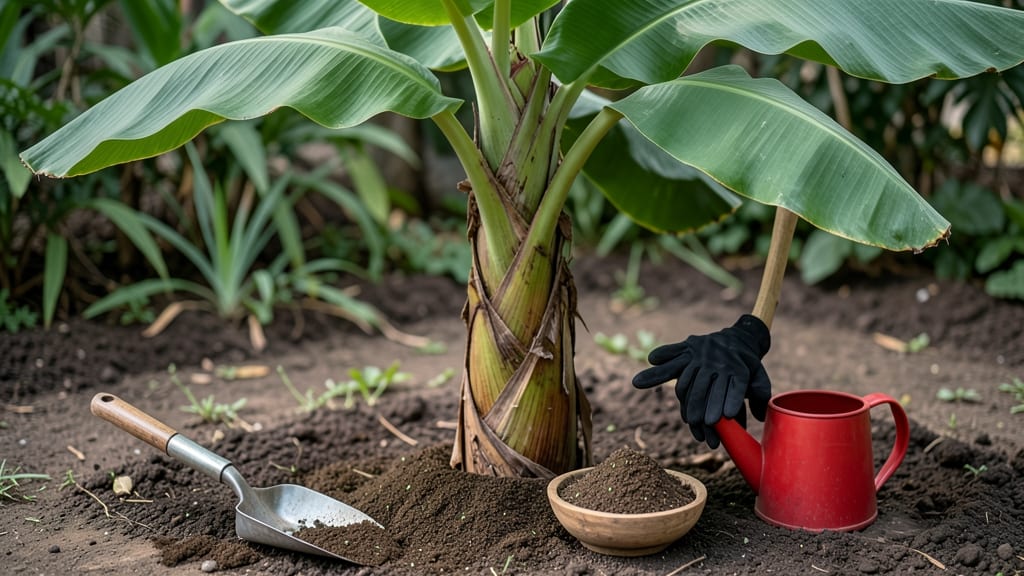
How to make banana fertilizer with your kitchen scraps just turned your garden into a nutrient powerhouse. 🌱 That banana peel you tossed isn’t trash—it’s a potassium powerhouse waiting to supercharge your soil. Banana fertilizer transforms what would be waste into a nutrient boost that helps plants grow stronger, fruit heavier, and resist drought better.
The science is simple: bananas are packed with potassium, phosphorus, and calcium—exactly what plants crave. You don’t need fancy equipment: just peels, a container, and time.
Whether you blend them into liquid fertilizer or bury them whole for slow-release goodness, your garden will thank you with lush foliage and bigger harvests.
This method works for every plant—tomatoes, roses, even houseplants—because it mimics natural decomposition. The best part? You’re cutting waste while feeding your soil, creating a closed-loop system that’s free, organic, and effective. No more buying expensive fertilizers when your kitchen can do the job.
Ready to turn scraps into soil superfood? Here’s how to get started without overcomplicating it—no green thumb required. Let’s make your garden thrive on what you’d normally throw away.
📚 In This Guide
- What you need
- Instructions
- Tips and common mistakes
- Wrapping up and next steps
What you need
- ● Overripe bananas – At least 3-5 (the riper, the better! Peel and chop them into small pieces for faster decomposition).
- ● Water – 1-2 cups (enough to blend into a smooth liquid).
- ○ Compost or soil – 1-2 cups (optional but speeds up nutrient absorption).
- ● Container – A blender, food processor, or bucket (for mixing).
- ○ Strainer or cheesecloth – To filter out banana pulp (optional but handy).
- ● Spray bottle or watering can – For easy application to plants.
- ● Epsom salt – 1 tsp (boosts magnesium and sulfur).
- ● Wood ash – 1 tbsp (adds potassium and raises pH slightly).
- ● Molasses – 1 tsp (attracts beneficial microbes).
- ● Citrus peels or coffee grounds – Handful (enhances nutrient diversity).
- ● Garden gloves – To keep hands clean while handling pulp.
Step-by-Step instructions for making banana fertilizer
Here’s how I transform banana peels into a nutrient-dense fertilizer that feeds plants with potassium, phosphorus, and micronutrients.
🍌 Step 1: Collect and Prepare Banana Peels
Save 4-5 ripe banana peels—the riper, the better, as they contain higher nutrient concentrations. Rinse them thoroughly to remove any residual fruit or pesticides, then tear them into 1-inch strips for faster decomposition. This increases surface area, speeding up nutrient release into the soil.
If you’re short on peels, toss them in the freezer for 24 hours first. Freezing breaks down the peel’s fibrous structure, making nutrients more accessible when mixed into the soil. I like to store peels in a sealed container until I’ve gathered enough for a batch.
🌱 Step 2: Choose Your Composting or Soil Mixing Method
For compost, chop the peels into smaller pieces and bury them in the center of your compost pile. They’ll decompose quickly, releasing nutrients as they break down. Turn the pile every 2-3 weeks to ensure even decomposition and prevent odors. You’ll know they’re ready when the peels are unrecognizable and the compost smells earthy.
For direct soil use, blend the peels into a fine powder using a food processor or blender. This creates a quick-acting fertilizer that can be sprinkled directly onto soil or mixed into potting mixes. I prefer this method for container plants, as it delivers nutrients immediately without waiting for decomposition.
☀️ Step 3: Apply to Soil or Compost
If using in compost, add the peels to your pile in equal parts with other greens and browns (like grass clippings and dried leaves). The peels will soften and integrate within 2-4 weeks, enriching the finished compost. Avoid overloading—stick to 10-15% of the total volume to prevent imbalance.
For direct soil application, scatter the chopped or powdered peels around the base of plants, especially those needing extra potassium—like tomatoes, peppers, or roses. Lightly scratch the soil surface to bury them ½ inch deep. Water thoroughly to activate nutrient release. You’ll see improved leaf health and stronger stems within 2-3 weeks.
💧 Step 4: Water and Monitor for Results
After applying, water the area deeply to help break down the peels and encourage microbial activity. The soil will feel slightly richer, and you may notice a faint sweet aroma as nutrients dissolve. For potted plants, mix the powdered peels into the top 2 inches of soil before replanting.
Watch for lush, dark green foliage and sturdier stems—signs your plants are absorbing the potassium and phosphorus. Banana fertilizer works best as a supplement, so pair it with a balanced fertilizer for optimal results. Reapply every 4-6 weeks during the growing season for continuous benefits.
Tips & tricks for perfect banana fertilizer
Real talk: Turning banana peels into fertilizer is one of the simplest ways to reduce kitchen waste while giving your plants a nutrient boost. Here's what I've learned to make the process even more effective.
Ripeness Matters: The riper the banana, the more potassium and phosphorus it contains. Look for peels with brown spots and soft texture—these are nutrient powerhouses. Overripe bananas with black spots work best, as they've concentrated the most nutrients during their ripening process. For maximum efficiency, use 4-5 peels from fully ripe bananas, as specified in Step 1.
Freezing Hack: If you're short on peels or want to speed up decomposition, freezing them for 24 hours before using is a game-changer. This step breaks down the fibrous structure, making nutrients more accessible to your plants. I store peels in a sealed container in the freezer until I've gathered enough for a batch—it's a great way to save them without taking up counter space.
Powdering for Quick Results: For container plants or when you need immediate nutrient delivery, blending the peels into a fine powder creates a quick-acting fertilizer. This method bypasses the decomposition wait time and delivers nutrients straight to your plants' roots. Just mix the powdered peels into the top 2 inches of soil as mentioned in Step 4 for fastest results.
Compost Balance Tip: When adding banana peels to your compost pile, maintain the 10-15% volume ratio mentioned in Step 3. This prevents imbalance in your compost's carbon-to-nitrogen ratio. I like to mix peels with equal parts greens (like grass clippings) and browns (like dried leaves) to create the perfect compost environment.
Pro Tips for Make Banana Fertilizer
- Real talk: Turning banana peels into fertilizer is one of the simplest ways to reduce kitchen waste while giving your plants a nutrient boost.
- Ripeness Matters: The riper the banana, the more potassium and phosphorus it contains.
- Freezing Hack: If you're short on peels or want to speed up decomposition, freezing them for 24 hours before using is a game-changer.
Frequently asked questions
Got questions about turning banana peels into a powerhouse fertilizer? We’ve got answers!
How long does it take for banana fertilizer to work?
Banana fertilizer works fast but shows long-term benefits. Within 2–4 weeks, plants may show improved growth (like lush leaves or stronger stems). For best results, use it regularly—think of it as a slow-release nutrient boost over several months.
Can I use overripe bananas or just peels?
Both! Overripe bananas (including peels) are ideal—they’re nutrient-dense and break down quickly. Peels alone work too, but chopping them speeds up decomposition. For extra potency, blend the peels into a pulp or compost them first.
What if my banana fertilizer smells bad?
A slight fermented smell is normal, but a strong, rotten odor means it’s decomposing too fast. Fix it by:
- Adding dry leaves, sawdust, or coffee grounds to balance moisture.
- Stirring in lime or wood ash (1 tbsp per gallon) to neutralize acidity.
- Storing it in a shaded, breathable container (like a mesh bag).
Can I use banana fertilizer for all plants?
Most plants love banana fertilizer—especially fruit trees, roses, tomatoes, and leafy greens—thanks to its potassium and phosphorus. Avoid acid-loving plants (like blueberries) unless you dilute it heavily. For sensitive plants, test a small patch first!
When’s the best time to apply banana fertilizer?
Apply it spring or early summer for flowering/fruiting plants, or fall to strengthen roots. Water the soil first, then dig in the fertilizer 2–3 inches deep around the base. Pro tip: Mix it into compost tea for a liquid boost!
Wrapping up and next steps
Making your own banana fertilizer is a simple, cost-effective way to give your plants a nutrient boost while reducing food waste! 🌱 With just banana peels, water, and a little patience, you’ve got a natural, eco-friendly solution that works wonders for soil health.
Whether you’re a seasoned gardener or just starting out, this method is a game-changer for your green thumb.
Now that you’re armed with the know-how, why not try it out this weekend? Experiment with different plants and observe the results—your garden (and the planet) will thank you! 🌟 Happy fertilizing!