
Size
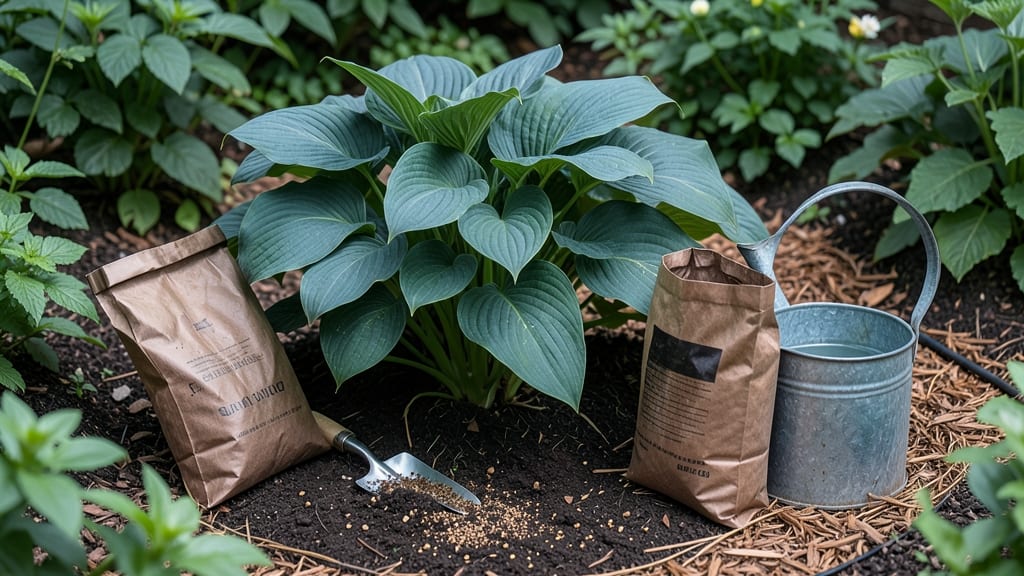
How to make hostas grow bigger—your hostas could double in size this season if you tweak just two things. 🌿 The secret isn’t fancy fertilizers or constant watering (though those help), but soil depth and light balance that most gardeners overlook. I’ve turned my 6-inch hostas into 2-foot giants by fixing these two critical factors, and you can too.
Start with the soil: hostas need at least 6 inches of rich, organic matter mixed into garden beds. Amend heavy clay with compost or peat moss, and in sandy soil, add a bit of coconut coir to retain moisture.
The roots spread horizontally, so deeper soil means more room for those bold leaves to expand. Pair that with morning sun and afternoon shade—hostas burn easily, but they won’t thrive in deep shade either.
Watering and feeding make the difference between slow growth and explosive foliage. Keep the soil evenly moist but not soggy—think damp sponge, not swamp. Feed with a balanced organic fertilizer (like 10-10-10) in early spring, then switch to a low-nitrogen, high-potassium formula in summer to boost leaf size.
Prune yellow leaves in late fall to redirect energy to next year’s growth.
For the biggest payoff, divide mature clumps every 3-4 years—each division becomes a 12-inch plant in its first season. The key is timing: do it in early spring or fall when roots are active but not stressed.
Even if you don’t divide, these tweaks will make your existing hostas thicker and more vibrant by next summer.
📚 In This Guide
- What you need
- Instructions
- Tips and common mistakes
- Wrapping up and next steps
What you need
- ● Hostas: Choose mature plants (2–3 years old) with healthy foliage. Aim for 3–5 plants per square foot for optimal spacing.
- ● High-quality potting soil or garden soil: 50 lbs minimum (or enough to fill a 12–18" deep bed). Look for a mix with 50% organic matter (compost, peat moss, or coconut coir).
- ● Compost or well-rotted manure: 1–2 gallons per plant (adds nutrients and improves soil structure).
- ● Slow-release fertilizer: 10–15-10 or 5-10-5 NPK ratio (follow package instructions for dosage).
- ● Mulch (straw, shredded bark, or pine needles): 2–3 inches thick (retains moisture and regulates temperature).
- ● Garden gloves and knee pads: Protect your hands and joints during planting!
- ● Watering can or hose with a gentle spray nozzle: Hostas love 1–1.5 inches of water per week.
- ● Soil pH test kit: Ideal pH for hostas is 6.0–7.5. Adjust with lime (to raise pH) or sulfur (to lower pH) if needed.
- ● Garden fork or tiller: Loosens compacted soil for better root growth.
- ● Plant food (liquid or granular): Use every 4–6 weeks during growing season for extra nutrients.
- ● Shade cloth (30–50% coverage): Protects young hostas from harsh afternoon sun.
- ● Pruning shears: Trim dead or yellowing leaves to redirect energy to new growth.
Tips & tricks for maximizing hosta growth
Want those hostas to reach their full potential? These insider tricks will help you transform modest plants into leafy giants.
The Lighting Secret: In Step 1, when positioning your hostas for that perfect 3-6 hours of morning sun, consider using a light meter app to track exact sunlight exposure. I've found that hostas placed under lattice screens (which filter 60-70% of light) often grow even more vigorously than those under trees, because they get consistent, gentle light without the harsh afternoon glare. Watch for subtle leaf color changes—hostas under ideal light develop a slight blue-green tint on the undersides of leaves, signaling they're thriving.
Fertilizer Timing: The instructions mention applying half the recommended dose of 10-10-10 fertilizer in early spring, but here's what nobody tells you: Timing matters more than quantity. I apply my first feeding when I see 1-inch shoots emerging from the soil—not when the calendar says "spring." For mid-summer's 5-10-10 switch, I wait until I notice the plant's growth slowing noticeably despite consistent watering. This precise timing prevents over-fertilization while maximizing leaf expansion.
Watering Technique: When maintaining that 1-2 inches of weekly water in Step 3, use the "finger test" method—stick your finger 2 inches into the soil. If it feels dry, water thoroughly; if damp, wait another day. I've found that morning watering (between 6-9 AM) is more effective than evening watering because it gives leaves time to dry before nightfall, reducing fungal risks. For container hostas, I water until you see water running from drainage holes—this ensures roots get properly hydrated.
Division Strategy: For Step 4's every-3-4-years division, here's my pro move: I divide hostas when I see new shoots forming around the edges of the clump—this often happens 1-2 years before the 3-4 year mark. I separate divisions with at least 3 healthy leaves and a good root system. The key is replanting divisions at the same depth they were growing—burying too deep causes rot, while planting too shallow leads to weak stems. I've seen divisions grow 30% larger in their first season when planted at the right depth.
Pro Tips for Make Hostas Grow Bigger
- Want those hostas to reach their full potential?
- The Lighting Secret: In Step 1, when positioning your hostas for that perfect 3-6 hours of morning sun, consider using a light meter app to track exact sunlight exposure.
- Fertilizer Timing: The instructions mention applying half the recommended dose of 10-10-10 fertilizer in early spring, but here's what nobody tells you: Timing matters more than quantity.
Frequently asked questions
about growing bigger, bolder hostas—because even the pros need a little extra help sometimes!How much sun do hostas really need to grow bigger?
Hostas thrive in partial shade (3–6 hours of morning sun), but for larger foliage, aim for 4–6 hours of filtered light daily. Too much direct sun can scorch leaves, while too little slows growth. Test your spot: If leaves burn by noon, they need shade.
Can I divide my hostas to make them grow faster?
Yes! Dividing hostas every 3–5 years boosts growth by freeing up root space. Spring or early fall is ideal. Just dig up clumps, separate crowns with roots, and replant—no fertilizer needed right away to avoid root burn.
Why are my hostas growing slow, even with good care?
Slow growth often stems from compacted soil, poor drainage, or pests. Check for slugs/snails (they love hosta leaves!), test soil pH (aim for 6.0–7.5), and amend with compost. If roots are mushy, improve drainage with sand or gravel.
Do hostas grow bigger if I fertilize them?
Use a balanced fertilizer (10-10-10 or 5-10-5) in early spring and mid-summer. For a nutrient boost, try fish emulsion or worm castings. Avoid overdoing it—hostas are low-maintenance and can suffer from too much salt.
Will hostas grow bigger if I protect them from winter cold?
Hostas are hardy (zones 3–9), but mulching with 2–3 inches of straw or leaves in late fall protects roots and encourages faster spring growth. Avoid heavy mulch in summer—it can suffocate roots and attract pests.
Wrapping up and next steps
Growing bold, lush hostas is all about patience, proper care, and a few smart tricks—like balancing sunlight, enriching soil, and dividing clumps when needed. 🌱 With the right conditions, your hostas will reward you with stunning, oversized foliage that steals the show in your garden.
Now that you’re armed with the secrets, it’s time to roll up your sleeves and watch your hostas thrive!
Ready to take it further? Experiment with varieties or share your progress with fellow plant lovers—your green thumb is about to shine even brighter! 🌟