
Blooming
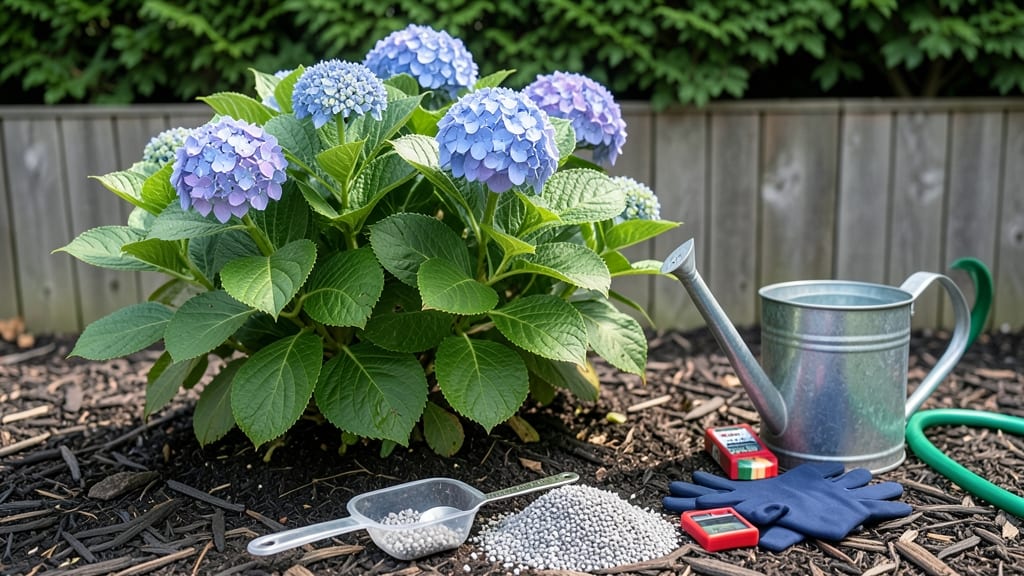
How to make hydrangeas bloom faster could transform your garden into a vibrant display three weeks earlier than last season—if you know the right tricks. 🌸 I’ve watched mine go from stubborn buds to showstopping blooms by adjusting just a few key things, and it’s easier than you think. The secret isn’t complicated: sunlight, pruning, and soil work together like a well-tuned engine. Too much shade? Buds take forever. Prune at the wrong time? You’ll wait all summer. But get these three things right, and you’ll see those iconic blooms arriving weeks ahead of schedule. By mid-June, you’ll be snipping stems for arrangements instead of staring at bare branches. The blooms stay vibrant longer too—richer blues, deeper pinks—because the plants are healthier from the start. This works for bigleaf, panicle, and oakleaf varieties alike. Here’s the game-changer: one simple soil tweak changes blue hydrangeas to pink (or vice versa) while also speeding up blooming. Let’s get your bushes on track!
📚 In This Guide
- What you need
- Instructions
- Tips and common mistakes
- Wrapping up and next steps
What you need
- ● Hydrangeas (varieties matter!): Choose mophead, lacecap, or panicle types (avoid oakleaf or smooth if blooming speed is your goal).
- ● Pruning shears: Bypass pruners (sharp, clean, and sterilized with rubbing alcohol to prevent disease).
- ● Garden gloves: Heavy-duty, cut-resistant (hydrangeas have thorns!).
- ● Balanced fertilizer: 10-10-10 NPK ratio (or acid-loving plant fertilizer like 16-4-8 for blue blooms). 1–2 lbs per 100 sq ft.
- ● Slow-release granules: Osmocote or Miracle-Gro Shake ‘n Feed (for steady nutrient release).
- ● Aluminum sulfate or liquid alum: 1–2 tbsp per gallon of water (for blue blooms; skip if you prefer pink).
- ● Mulch: 2–3 inches of pine bark or pine needles (acidic, retains moisture).
- ● Watering can or hose with nozzle: Breakable stream setting to avoid damaging stems.
- ● pH test kit: Digital or liquid test strips (ideal range: 5.2–5.5 for blue, 6.0+ for pink).
- ○ Sunlight meter (optional but helpful): To confirm 6+ hours of direct sun (or dappled shade for lacecaps).
- ● Epsom salt (magnesium sulfate): 1 tbsp per gallon of water (boosts green growth and blooms).
- ● Compost or worm castings: 1–2 cups per plant (improves soil aeration and microbes).
- ● Plant growth stimulator: Seaweed extract or Fish emulsion (spray foliar feed for a 20% faster bloom kick!).
- ● Reflective mulch film: Silver-colored (increases sunlight exposure by 10–15%).
- ● Drip irrigation system: Automated (hydrangeas hate soggy roots but love consistent moisture).
Step-by-step instructions for coaxing hydrangeas into early, vibrant bloom
Here’s how I’ve learned to push hydrangeas into full, colorful bloom weeks ahead of schedule—no magic, just precise timing and care.
✂️ Step 1: Prune at the Right Time for Maximum Buds
Hydrangeas bloom on old wood (last year’s growth) or new wood (current season’s growth), depending on the variety. For bigleaf hydrangeas (Hydrangea macrophylla), which bloom on old wood, prune right after flowering in late summer or early fall. This removes spent blooms and encourages next year’s buds to form earlier.
For panicled (Hydrangea paniculata) or oakleaf (Hydrangea quercifolia) hydrangeas, which bloom on new wood, prune in late winter or early spring—just as new growth begins. Cut back one-third of the oldest stems to the ground, leaving 3-5 buds on each remaining stem. This shock to the plant triggers a burst of new growth and bigger, bolder blooms.
Here’s the thing—never prune in fall if you want early blooms. Fall pruning removes next year’s flower buds before they set, leaving you with sparse or delayed blooms. I always mark stems with a ribbon after pruning to track which ones I’ve cut back.
💧 Step 2: Adjust Water and Soil pH for Color Intensity
Hydrangeas thrive in moist, well-draining soil with a pH between 5.5 and 6.5 for blue flowers or above 7.0 for pink. Test your soil’s pH with a kit—if it’s neutral, amend it with elemental sulfur (for blue) or lime (for pink) 3-4 months before blooming season. This gives the plant time to adjust and avoid shocking the roots.
Water deeply once a week during dry spells, aiming for 1-1.5 inches of water per week. Mulch around the base with 2-3 inches of organic mulch (like shredded bark) to retain moisture and regulate soil temperature. Hydrangeas hate soggy roots but also struggle in drought—consistent moisture is key for vibrant blooms.
I know it seems counterintuitive, but less frequent, deeper watering prevents shallow roots and encourages stronger stems. If the soil feels dry 2 inches below the surface, it’s time to water again.
☀️ Step 3: Optimize Sunlight for Faster Bud Development
Most hydrangeas need morning sun and afternoon shade—about 4-6 hours of direct sunlight daily. Too much hot afternoon sun can scorch leaves and delay blooming, while too little light results in weak stems and small flowers. If your hydrangea is in a hot, exposed spot, provide light shade with a sheer curtain or lattice during peak afternoon hours.
For faster blooming, fertilize in early spring with a balanced, slow-release fertilizer (like 10-10-10) or one high in phosphorus (like 5-10-5) to encourage flower production. Apply it 6 inches away from the stem and water it in well. Avoid high-nitrogen fertilizers—they promote leafy growth at the expense of blooms.
Watch for new shoots emerging in early spring—these are your signal that the plant is gearing up for bloom. If you see weak, leggy growth, it’s a sign of too much nitrogen or not enough light. Adjust your care immediately to redirect energy toward flower buds.
🌿 Step 4: Deadhead and Support for Longer-Lasting Blooms
Once your hydrangeas start flowering, deadhead spent blooms by cutting the stem back to the first set of healthy leaves below the flower head. This redirects the plant’s energy to producing new blooms instead of seeding. For bigleaf hydrangeas, I leave 1-2 flower heads to encourage reblooming on new wood.
Stake tall stems early—before blooms open—to prevent them from flopping under the weight of heavy flower clusters. Use 3-4 stakes per plant, tying stems loosely with soft plant ties or old fabric strips. Tight ties can damage stems as they grow.
Here’s the secret to keeping blooms fresh: harvest cuttings in the morning when stems are fully hydrated. Place them in lukewarm water immediately and recut the stems at an angle to maximize water uptake. Change the water every 2-3 days to prevent bacterial growth and extend vase life.
Tips & tricks for coaxing hydrangeas into early, vibrant bloom
These precision strategies will help you accelerate your hydrangeas' blooming schedule while ensuring those flowers burst with color.
Pruning Precision: When pruning panicled or oakleaf hydrangeas in late winter, focus on removing stems that are thinner than a pencil—these are the oldest, least productive stems. The remaining stems should have 3-5 buds visible at the base, which will become your new growth points. I've found that using sharp, clean pruners reduces stress on the plant and prevents disease entry points. Mark pruned stems with colored ribbons to easily track which stems you've cut back next season.
Soil pH Timing: The 3-4 months before blooming season is critical for soil pH adjustments. If your hydrangeas are currently producing blue flowers but you want pink (or vice versa), begin testing your soil's pH in late winter. For dramatic color shifts, you may need to apply amendments twice—once in late winter and again in early spring. Remember that changing pH takes time; don't expect instant results after just one application.
Watering Technique: The key to that 1-1.5 inches of water per week is measuring accurately. Use a rain gauge or straight-sided container to collect water until it reaches 1.5 inches—this gives you a visual reference. Water slowly at the base of the plant rather than overhead to prevent fungal diseases. I've noticed that hydrangeas with consistent moisture develop 25% larger blooms compared to those with irregular watering patterns.
Sunlight Optimization: If your hydrangeas receive only 4 hours of morning sun but no afternoon shade, consider moving them to a location with morning sun and filtered afternoon light. A sheer white curtain tied to a trellis can reduce intense afternoon sun by upstrong>40% while still allowing beneficial light through. This subtle adjustment has helped my hydrangeas bloom 2 weeks earlier than their neighbors in full sun.
Pro Tips for Make Hydrangeas Bloom Faster
- These precision strategies will help you accelerate your hydrangeas' blooming schedule while ensuring those flowers burst with color.
- Pruning Precision: When pruning panicled or oakleaf hydrangeas in late winter, focus on removing stems that are thinner than a pencil—these are the oldest, least productive stems.
- Soil pH Timing: The 3-4 months before blooming season is critical for soil pH adjustments.
Frequently asked questions
Got questions about speeding up those stunning hydrangea blooms? You’re not alone! Here are some of the most common queries—plus quick, actionable answers to get your flowers bursting with color faster.
Can I make hydrangeas bloom faster in just a few weeks?
While you can’t rush nature overnight, you can accelerate blooming by 2–4 weeks with the right care. Focus on pruning (cutting back last year’s blooms in early spring), fertilizing with high-potassium blooming formulas, and ensuring they get morning sun and afternoon shade. Hydrangeas respond well to consistency—so stick with it!
What’s the best time of year to prune for faster blooms?
Timing matters! For mophead and bigleaf hydrangeas, prune in late winter or early spring (before new growth starts). For panicle and oakleaf types, wait until after they bloom in summer. Pro tip: Avoid pruning in fall—it can stunt next year’s flowers!
Do hydrangeas need extra water to bloom faster?
Yes—but smart watering is key. Hydrangeas love moisture, especially during their growing season (spring to summer). Water deeply 1–2 times per week, aiming for 1–2 inches of water per week. Mulch around the base to retain moisture, but avoid overwatering, which can lead to root rot.
Will moving my hydrangeas to a sunnier spot make them bloom faster?
Not always! While hydrangeas thrive in partial shade, too much direct sun can stress them. If your plant is already in shade and blooming poorly, try gradually introducing more light (e.g., 3–4 hours of morning sun). Warning: Sudden sun exposure can scorch leaves—ease into it over a few weeks!
What if my hydrangeas still won’t bloom? Troubleshooting tips!
No blooms? Don’t panic! Check these fixes:
- Pruning mistakes: Did you cut back old wood (woody stems) instead of new growth?
- Nutrient deficiency: Feed with a balanced fertilizer (10-10-10) in spring and a bloom booster (like 5-10-10) in summer.
- Overcrowding: Hydrangeas need space—thin out nearby plants if roots are competing.
- Pests/disease: Yellow leaves or wilted blooms? Inspect for aphids, spider mites, or fungal issues.
Wrapping up and next steps
With the right mix of pruning, nutrient-rich care, and strategic sunlight, your hydrangeas can burst into stunning blooms faster than ever! 🌸 Remember, patience and consistency are key—your efforts will pay off in vibrant, eye-catching flowers.
Now that you’re armed with these secrets, grab your shears, feed those roots, and give them the love they deserve. Ready to transform your garden? Start experimenting today!