
How To
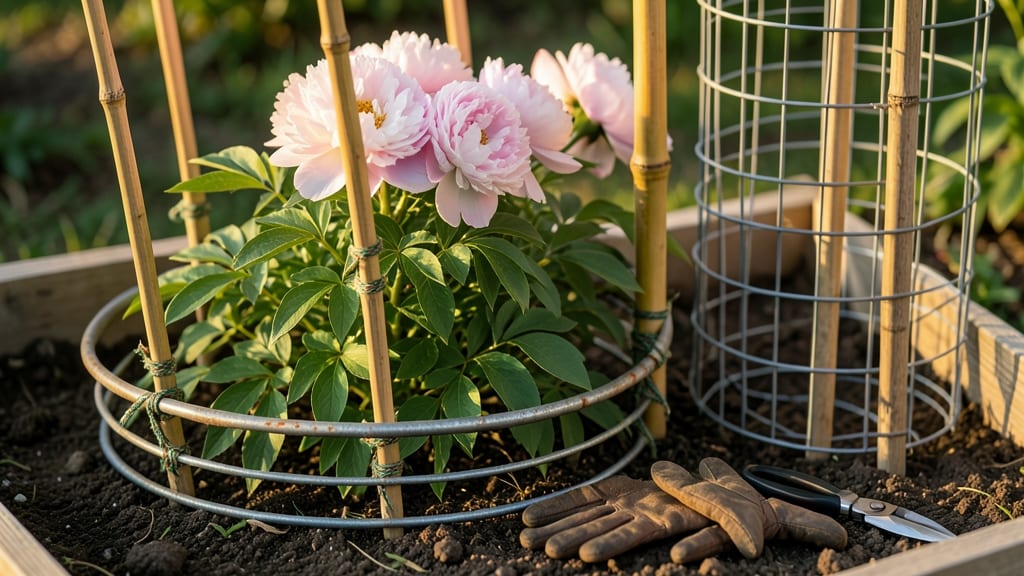
Peonies flopping mid-bloom? That first heavy bud is heartbreaking. 💚 I’ve lost count of the times I watched my prized peonies bow under their own weight—until I learned the right staking tricks that keep them standing proudly all season.
The secret isn’t brute force—it’s timing and technique. Most gardeners stake too late or use the wrong support, which actually stresses the plant. You’ll need lightweight stakes (bamboo or decorative metal), soft plant ties, and a little patience to train stems without breaking them.
Even my heaviest bloomers stay upright with this method.
By the time those bowl-sized blooms open, your peonies will be the envy of the neighborhood—no more sad, drooping stems. The best part? Once you master it, you’ll never buy those flimsy nursery stakes again. Here’s exactly how to do it right.
Works for both garden beds and containers, and the same principles apply whether you’re growing herbaceous or tree peonies. Let’s get those blooms standing tall—no more apologizing for floppy stems!
📚 In This Guide
- What you need
- Instructions
- Tips and common mistakes
- Wrapping up and next steps
What you need
- ● Peony stakes: 3–4 bamboo stakes (or sturdy wooden dowels) per plant, at least 3 feet tall (taller if your peonies are mature or top-heavy).
- ● Diameter: ¼–½ inch (thick enough to stay upright but thin enough to avoid damaging roots).
- ● Garden twine or soft plant ties: 1–2 rolls of jute or fabric twine (avoid wire—it can cut stems).
- ○ Optional: Floral tape or Velcro plant ties for easier adjustments.
- ● Gloves: Heavy-duty gardening gloves to protect your hands from thorns (peonies are notorious for them!).
- ● Pruners or shears: Sharp, clean pruners to trim stems if needed.
- ● Sturdy support base: Option 1: A tree ring (for multiple peonies in a row).
- ● Option 2: A metal peony cage (if you prefer a pre-made solution).
- ● Peony rings or hoops: Pre-made metal rings designed to encircle peony stems (great for long-term support).
- ● Plant clips: Soft, adjustable clips to secure stems without crushing them.
- ● Mulch or pebbles: To stabilize stakes and prevent them from shifting in windy conditions.
- ● Watering can with a gentle spray: To keep soil moist while staking (hydrated plants = happier blooms!).
Step-by-step instructions for training peonies to stand tall
Here’s how I keep my peonies upright and blooming beautifully—no flopping, no fuss.
🌱 Step 1: Choose the Right Stakes Early in the Season
Peonies need support as soon as their stems reach 6-8 inches tall, before they start to flop. I use 3-4 foot bamboo stakes (one per plant) because they’re sturdy and blend into the garden. Drive the stake 2-3 inches deep into the soil, about 2 inches away from the main stem. This gives the plant room to grow while keeping the stake stable.
Don’t wait until the buds swell—by then, the stems are already too heavy. The key is to stake before the plant puts energy into blooming. If you’ve missed that window, don’t worry; just stake as soon as you notice the stems bending. Real talk: I’ve staked peonies in late spring, and they still stood tall.
✂️ Step 2: Tie Stems Gently With Soft Supplies
Use fabric strips, soft plant ties, or even old t-shirts to secure the stems to the stake. Avoid wire or anything that can cut into the stems—peonies bruise easily, and damaged stems won’t recover. Tie the first loop just above the first set of leaves (about 4-6 inches up) and add a second tie 6-8 inches higher once the stem grows taller.
Here’s the thing—don’t cinch the ties too tight. You want just enough pressure to hold the stem upright, not enough to restrict growth. I like to leave a little slack so the plant can sway slightly in the wind. Check the ties every 5-7 days and loosen them if the stems look constricted.
💧 Step 3: Water and Fertilize for Strong Stem Support
Peonies need consistent moisture to develop strong stems that hold up their own weight. Water deeply once a week (or more in hot, dry weather) to encourage deep root growth. The soil should be damp but not soggy—think of a wrung-out sponge. Overwatering weakens stems, making them more likely to flop.
Feed your peonies with a balanced, low-nitrogen fertilizer (like 10-10-10) in early spring and again after the first bloom. Too much nitrogen makes stems soft and floppy. I also add a thin layer of compost around the base in spring to boost root strength naturally. Strong roots mean stronger stems that need less staking.
☀️ Step 4: Prune Wisely to Encourage Upright Growth
Deadhead spent blooms immediately after they fade to redirect the plant’s energy into next year’s buds. Use clean, sharp pruners and cut stems back to the first set of leaves. Never cut into the woody base—peonies store energy there for future growth. This simple step keeps the plant focused on producing sturdy stems.
In late fall, cut back all foliage to 1-2 inches above the ground. This might seem drastic, but it prevents disease and helps the plant store energy for next season’s blooms. I know it looks bare, but trust me—your peonies will thank you with taller, stronger stems come spring.
🪴 Step 5: Adjust Stakes as the Plant Grows
Peonies grow fast, and their stems can outpace even the tallest stake. Check your stakes weekly and add extra ties or a second stake if the plant starts to lean. I often use a smaller stake (about 2 feet tall) tied to the main one for extra support as the blooms heavy up. The goal is to mimic the plant’s natural upright habit without smothering it.
If a stem starts to bend despite the stake, don’t panic—just add another tie or stake immediately. The worst thing you can do is ignore it. I’ve had peonies that needed three stakes by mid-summer, especially the heritage varieties with massive blooms. Think of staking as a conversation with your plant, not a one-time fix.
Tips & tricks for perfect peony support
These simple strategies will help your peonies reach their full potential without flopping—no more drooping blooms!
Timing is Everything: Start staking when stems hit 6-8 inches—this is when they need support most. I’ve learned the hard way that waiting until buds swell means the stems are already too heavy for a single stake. The 2-inch gap between stake and stem gives peonies room to grow without crowding, and the 2-3 inch deep placement keeps stakes from toppling in wind. Think of it like giving your plant a sturdy crutch before it needs it.
Tie Technique Matters: The first tie should go just above the first set of leaves—around 4-6 inches up—to prevent stems from bending at the base. I use old t-shirts because they’re soft and stretch as stems grow. The 5-7 day check is crucial: stems thicken as they mature, so ties that felt perfect at first may need loosening. Pro tip: leave enough slack to let the plant sway slightly—this mimics natural movement and prevents breakage.
Root Strength Foundation: Peonies with weak roots flop no matter how many stakes you use. The once-weekly deep watering (think wrung-out sponge) encourages deep root growth, while balanced fertilizer (10-10-10) in spring prevents soft, floppy stems. I’ve seen peonies with perfect stakes still collapse because their roots were starved for nutrients. A thin compost layer in spring gives roots the boost they need to support those towering blooms.
Pruning for Future Growth: Deadheading immediately after blooms fade redirects energy to next year’s stems—don’t let spent blooms drain your plant. That 1-2 inch fall prune might look drastic, but it’s what keeps peonies thriving for decades. I’ve had gardeners swear by leaving foliage over winter, but peonies store energy in their woody bases, not their leaves. Trust the process!
Pro Tips for Make Peonies Stand Up
- These simple strategies will help your peonies reach their full potential without flopping—no more drooping blooms!
- Timing is Everything: Start staking when stems hit 6-8 inches—this is when they need support most.
- Tie Technique Matters: The first tie should go just above the first set of leaves—around 4-6 inches up—to prevent stems from bending at the base.
Frequently asked questions
Got questions about keeping your peonies upright and blooming beautifully? You’re not alone—many gardeners face the same challenges! Here are answers to the most common questions to help you master the art of staking peonies like a pro.
When is the best time to stake peonies?
Stake your peonies before they start to bloom—typically in early to mid-spring (March–April, depending on your climate). This gives the stems time to grow strong while supported. If you wait until buds swell, the stems may already be too heavy to save without risking damage. Pro tip: Use bamboo stakes or spiral ties for flexibility as the plant grows!
Do I need to stake every peony?
Not necessarily! Herbaceous peonies (the most common type) usually need staking, especially in windy areas or if they’re tall and top-heavy. Tree peonies, however, have woody stems and often stand upright without support. Check your variety—if the blooms flop easily, it’s time to stake!
What if my peonies are already leaning? Can I still save them?
Yes, but act fast! Gently tie the stems to stakes at a 45-degree angle to avoid snapping them. If the stems are already bent, avoid forcing them upright—this can break the stem. Instead, use soft ties (like velcro plant ties) and monitor them daily. For severely damaged stems, prune them back to encourage new growth.
Will rain or wind ruin my staked peonies?
Staking helps, but heavy rain or storms can still stress plants. Ensure stakes are deeply buried (6+ inches) and ties are snug but not too tight. After storms, check for loose stakes or tangled vines and adjust as needed. A little extra care goes a long way!
Are there alternatives to traditional staking?
Try these creative solutions:
- Cage supports: Wire or plastic peony cages (like tomato cages) work great for clusters.
- Natural materials: Use bamboo stakes, twigs, or even old broom handles tied with twine.
- Peony rings: Metal rings (sold in garden stores) fit around the plant and hold blooms upright.
Experiment to find what works best for your garden! Just avoid anything that can cut into the stems over time.
Wrapping up and next steps
With these foolproof staking tricks, your peonies will stand tall and proud, turning your garden into a breathtaking display of elegance! 🌸✨ Remember, the key is patience—gentle handling and consistent support will reward you with stunning, upright blooms all season long. Now’s the perfect time to grab your supplies and give your peonies the support they deserve! Ready to transform your garden? Start staking today and watch your peonies reach new heights—literally!