
How To
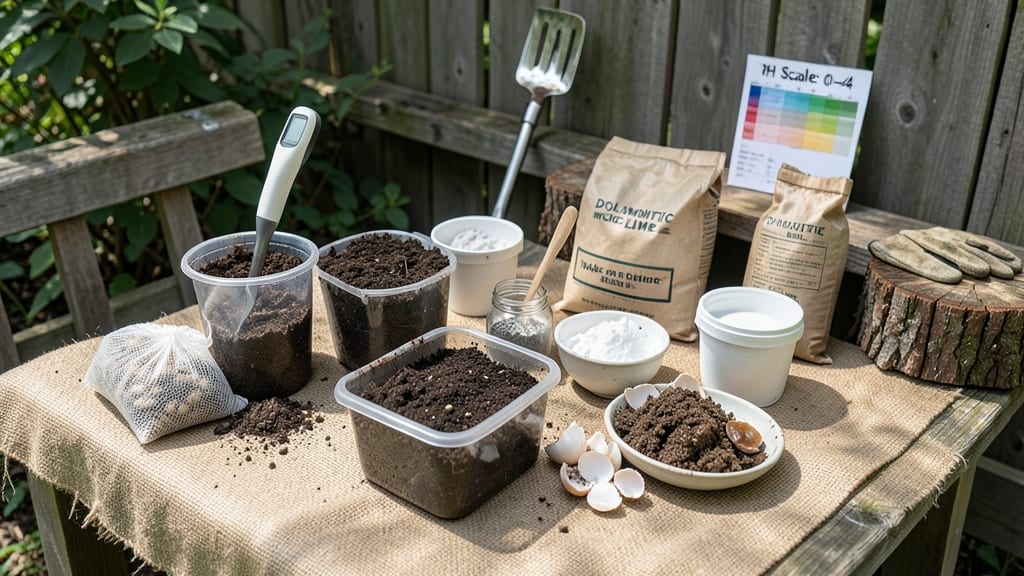
How to make soil more basic can turn a struggling garden into a thriving one—before you even plant a seed. 🌱 When your plants look sickly despite good care, the culprit might be acidic soil—too much of it. The good news? Raising pH with quick lime or crushed eggshells is faster than you think, and I’ve tested both methods to see which works best for different garden needs.
You’ll need basic supplies: pelletized lime (for fast results) or eggshells (for a slower, organic boost), a pH test kit, and a garden fork. The process takes 30 minutes to spread amendments, but the real work happens underground as they adjust your soil’s chemistry over weeks.
Most gardeners see noticeable changes within 4-6 weeks of application.
Think lavender struggling to bloom or blueberries turning yellow? These plants crave alkaline soil, and raising pH can transform their growth. Quick lime delivers instant results—ideal for urgent fixes—while eggshells provide a gentle, long-term solution perfect for vegetable gardens where you want to avoid harsh chemicals.
Before you start, test your soil’s current pH with a simple kit (available at garden centers). Aim for a 6.5-7.5 range for most alkaline-loving plants, and re-test after 6 weeks to avoid overdoing it. Over-alkalizing can lock out essential nutrients just as effectively as being too acidic.
📚 In This Guide
- What you need
- Instructions
- Tips and common mistakes
- Wrapping up and next steps
What you need
- ● Quicklime (calcium oxide, CaO) – 1–2 lbs per 100 sq ft (or follow package instructions for precise ratios). Safety note: Wear gloves and a mask—this is highly alkaline!
- ● Crushed eggshells – 1–2 cups per 10 sq ft (or ~1 lb for small containers). Bake and grind clean, unwashed shells for best results.
- ● Water – For mixing lime into a slurry (if not applying dry). Use 1 gallon per 10 sq ft.
- ● Garden soil or potting mix – The base you’re amending (test pH first to avoid overcorrecting!).
- ● Gloves (nitrile or rubber) – Non-latex recommended for safety.
- ● Dust mask or respirator – To avoid inhaling lime dust.
- ● Garden trowel or hand fork – For mixing amendments into soil.
- ○ Bucket or wheelbarrow – For mixing lime slurry (optional but helpful).
- ● pH test kit – Digital or liquid test strips to monitor progress (e.g., blank">Luster Leaf or blank">MySoil).
- ● Measuring cups/spoons – For precise eggshell quantities.
- ● Wood ash – ½ cup per 10 sq ft (adds potassium and minor pH boost; avoid overuse—it’s salty!).
- ● Crushed oyster shell – 1–2 lbs per 100 sq ft (slow-release calcium alternative).
- ● Compost – 1–2 inches mixed in to buffer pH changes and improve soil structure.
- ● Hose with spray nozzle – For rinsing tools after handling lime.
Step-by-Step instructions for raising soil pH with lime and eggshells
Here's how to adjust your soil's acidity quickly for plants that thrive in alkaline conditions.
🌱 Step 1: Test Your Soil's Current pH Level
Before adding amendments, test your soil's current pH using a soil pH test kit or digital meter. Most garden centers sell these for under $10. Dig a 6-inch deep sample from the planting area and collect soil from several spots to get an accurate reading. The ideal range for most vegetables and flowers is 6.0-7.0, while blueberries and azaleas prefer 4.5-5.5. If your reading is below 6.0, you'll need to raise the pH.
I like to test in the late winter or early spring before planting season begins. This gives the soil time to stabilize after amendments are added. If you're working with an established garden bed, take samples from multiple locations since pH can vary even within a small area. Record your results—you'll need them to determine how much lime to apply.
💧 Step 2: Apply Quick Lime for Immediate pH Adjustment
For a fast-acting solution, use pelletized quicklime (calcium oxide) at a rate of 5 pounds per 100 square feet for every 1.0 pH point you need to raise. For example, if your soil is at 5.5 and you want to reach 6.5, apply 10 pounds per 100 square feet. Spread the lime evenly over the soil surface using a broadcast spreader or by hand with rubber gloves—lime is caustic and can irritate skin.
Water the area lightly after applying to help the lime dissolve and penetrate the soil. Avoid working the lime into the soil immediately—let it sit for 24-48 hours to fully react. This method raises pH quickly, but it can also temporarily raise soil salinity, so use it sparingly. I recommend this approach for vegetable gardens or lawns where you need fast results before planting.
✂️ Step 3: Incorporate Crushed Eggshells for Gradual pH Adjustment
For a gentler, long-term solution, crush 1 cup of dried eggshells per 10 square feet of garden bed. Bake the shells at 200°F for 10 minutes to sterilize them, then grind into a fine powder using a mortar and pestle or blender. The calcium carbonate in eggshells slowly raises pH over 3-6 months, making it ideal for container gardens or sensitive plants like tomatoes and peppers that prefer slightly alkaline soil.
Mix the crushed eggshells into the top 2-3 inches of soil using a garden fork or trowel. Avoid overdoing it—too much calcium can lock out essential nutrients like iron and manganese. I like to add eggshells once in early spring and again mid-summer for a steady pH adjustment. This method is perfect for herb gardens or flower beds where you want to avoid sudden pH swings.
☀️ Step 4: Monitor and Maintain Soil pH Over Time
After 4-6 weeks, retest your soil's pH to see how much it has changed. Quicklime can raise pH by 2-4 points in a single application, while eggshells typically adjust it by 0.5-1.0 point over time. If the pH is still too low, repeat the process with half the original amount—overcorrecting can harm plants just as much as undercorrecting. For container gardens, mix a tablespoon of crushed eggshells into the potting mix every 3 months to maintain balance.
Keep an eye on your plants for signs of pH imbalance. Yellowing leaves or stunted growth can indicate the soil is still too acidic, while brown leaf tips or poor flowering may mean the pH is too high. I like to retest soil every 6 months in active garden beds to stay on top of pH shifts, especially in rainy climates where acidity can creep up naturally. Adjust as needed—soil pH is a dynamic process, not a one-time fix.
Tips & tricks for balancing soil pH with lime and eggshells
Here's what I've learned after years of adjusting soil pH—these tricks make all the difference between guesswork and garden success.
Precision in Step 1: When testing your soil's pH in Step 1, take samples from multiple spots in your garden bed—pH can vary by 0.5-1.0 points even within a few feet. I like to test in the morning when soil moisture is consistent. Record your results immediately; pH test strips can fade if left exposed to air. This attention to detail ensures you apply exactly the right amount of amendments later—no wasted lime or eggshells.
Application Strategy for Quick Lime: In Step 2, spread the 5 pounds per 100 square feet of quicklime evenly using a broadcast spreader for consistency. If you're working with a small area, wear rubber gloves and use a fine-mesh strainer to control the application. The key is uniform coverage—uneven distribution can create hot spots where plants struggle. After applying, water lightly to help dissolution, but avoid heavy watering immediately as this can wash lime away before it reacts.
Eggshell Preparation: For Step 3, don't skip the 200°F for 10 minutes baking step—this sterilizes the eggshells and prevents introducing pathogens to your soil. After baking, let them cool completely before grinding. I've found that using a blender with a fine blade creates a more consistent powder than a mortar and pestle. Store the crushed eggshells in a sealed container until use to prevent moisture absorption, which can reduce their effectiveness.
Monitoring Made Simple: The 4-6 week retest window in Step 4 is your best friend. Set a reminder on your phone so you don't forget! I like to mark my garden calendar with the application date and retest date. For container gardens, keep a small notebook nearby to record each 3-month eggshell addition—this creates a clear history of your maintenance efforts. Watch for those visual cues: healthy green leaves on tomatoes mean you're in the right range, while yellowing on blueberries signals you need to adjust.
Pro Tips for Make Soil More Basic
- Here's what I've learned after years of adjusting soil pH—these tricks make all the difference between guesswork and garden success.
- Precision in Step 1: When testing your soil's pH in Step 1, take samples from multiple spots in your garden bed—pH can vary by 0.5-1.0 points even within a few feet.
- Application Strategy for Quick Lime: In Step 2, spread the 5 pounds per 100 square feet of quicklime evenly using a broadcast spreader for consistency.
Frequently asked questions
Got questions about raising your soil’s pH? You’re not alone! Here are answers to the most common concerns—so you can tackle the job with confidence.
How do I know if my soil is too acidic?
Test your soil’s pH using a soil test kit (available at garden centers) or send a sample to a local extension office. Most plants thrive in slightly acidic to neutral soil (pH 6.0–7.0), but if it’s below 6.0, it’s time to act!
How long does it take for crushed eggshells to raise pH?
Crushed eggshells work slowly—expect changes in 2–6 months, depending on soil type and weather. For faster results, combine them with quicklime (calcium carbonate), which adjusts pH in 1–2 weeks. Monitor progress with regular tests!
Are there cheaper alternatives to quicklime?
Yes! Try these budget-friendly options:
- Wood ash (from untreated wood)—sprinkle lightly (½ cup per 10 sq ft) and work into the top 2 inches.
- Crushed oyster shells (if available locally)—rich in calcium and slow-release.
- Composted manure (from cows or horses)—adds organic matter and buffers acidity over time.
What happens if I add too much lime?
Over-limeing can make soil too alkaline (pH > 8.0), harming acid-loving plants like blueberries or azaleas. Signs include yellowing leaves, stunted growth, or white crust on soil. If this happens, amend with sulfur or peat moss to lower pH gradually.
Can I use this method for container gardens?
For pots, mix 1–2 tablespoons of crushed eggshells or ½ teaspoon of quicklime per gallon of soil. Water thoroughly after adding. Monitor pH every 3–4 months, as container soil dries out faster and pH shifts quicker than in-ground soil.
Wrapping up and next steps
Transforming your soil into a more basic environment doesn’t have to be complicated—just follow the simple steps we’ve shared! Whether you’re using quick lime or crushed eggshells, the key is consistency and patience. Your plants will thank you with healthier growth and vibrant blooms.
Ready to take the next step? Test your soil’s pH after a few weeks to measure progress, then adjust as needed. Happy gardening! 🌱✨