
How To
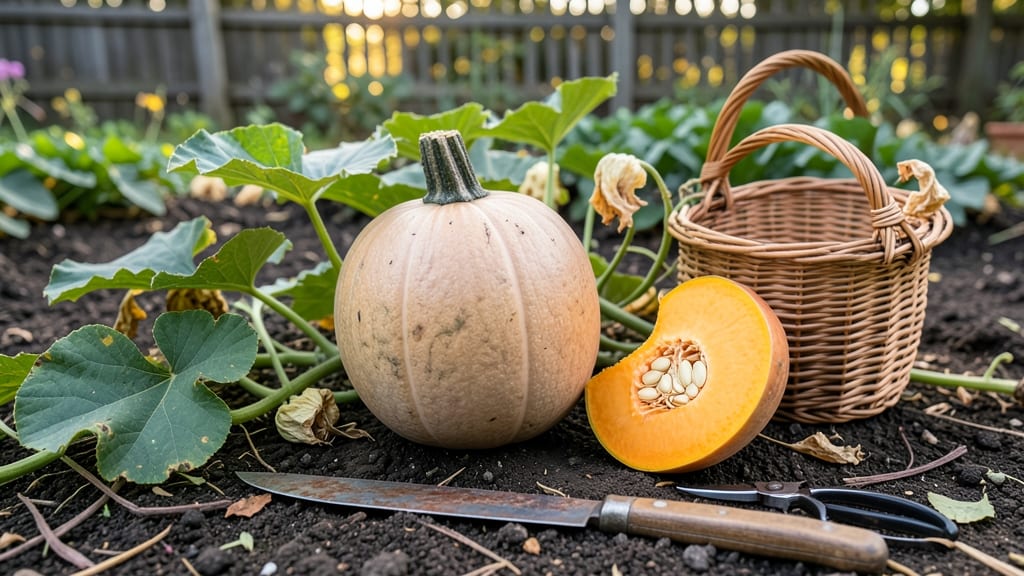
How to pick a ripe butternut squash—one that’s sweet, tender, and packed with flavor—can be tricky if you don’t know what to look for. That first tap, twist, or squeeze could mean the difference between a delicious harvest and a bitter disappointment. Whether you're grabbing one from the farmers' market or your own garden, these simple tricks will help you spot the ripest 🎃 every time.
Most people assume a bright orange color means ripe, but the real secrets lie in the squash’s weight, sound, and even its stem. I’ve tested dozens of butternut squash over the years, and I’ll share the exact methods I use to guarantee peak sweetness.
No more guessing—just confident, flavor-packed squash that’s ready for your kitchen.
You’ll learn how to tell if a squash is perfectly ripe by giving it a gentle tap or twist, plus what to watch for in its skin and stem.
These quick checks take just seconds but save you from buying (or growing) a squash that’s either too hard or past its prime. Let’s dive into the foolproof way to pick butternut squash that tastes like autumn in every bite.
Once you master these techniques, you’ll never settle for anything less than the sweetest, most flavorful butternut squash again. And the best part? These same methods work whether you’re shopping at the store, browsing a farm stand, or harvesting from your own garden. Ready to become a butternut squash expert?
5 Key signs a butternut squash is perfectly ripe (with visual cues)
A perfectly ripe butternut squash delivers that sweet, nutty flavor we all love, but spotting one in the produce aisle or garden can feel like guessing. Don’t settle for bland or stringy squash—learn these 5 foolproof visual cues to pick the ripest, most flavorful butternut every time.
First, focus on the skin color. A ripe butternut squash should be a deep, golden tan with no green patches. Green areas mean it’s underripe, while overly pale or white spots signal overripeness. Look for a uniform hue—this consistency ensures even ripening and sweetness.
Next, check the stem condition. The stem near the squash should be dry, brown, and slightly shriveled. If it’s still green and flexible, the squash isn’t ready. A completely detached stem is fine, but if the stem is mushy or rotting, the squash is past its prime.
The weight and density of the squash reveal its ripeness too. A ripe butternut feels heavy for its size, almost like it’s filled with dense, sweet flesh. Gently pick one up—if it feels light, it’s likely underripe and watery inside.
Here’s where it gets fun: the tap test. Give the squash a firm tap with your knuckles. A ripe butternut will produce a deep, hollow sound, like knocking on a wooden door. A dull thud means it’s underripe, while a high-pitched ping suggests overripeness.
Finally, examine the skin texture. Run your thumb over the surface—it should feel smooth and slightly tough, like the skin of a ripe avocado. If it’s soft or punctures easily, it’s not ready. Overripe squash may have wrinkled or leathery skin.
🌱 5 Key Signs of a Perfectly Ripe Butternut Squash
- 🎃 1. Deep Golden Tan Skin
No green patches; uniform color - 🌿 2. Dry, Brown Stem
Shriveled, not green or mushy - ⚖️ 3. Heavy for Size
Dense flesh, not light or hollow - 🔊 4. Hollow Tap Sound
Deep, like knocking wood - 🖐️ 5. Smooth, Firm Skin
Not soft or wrinkled
✅ Pro Tip: Avoid squash with cuts or bruises—they spoil faster, even if ripe!
Why do these cues matter? The hardened skin and dry stem signal the squash has finished maturing on the vine, locking in maximum sweetness. The hollow tap indicates the seeds are fully developed, and the heavy weight means the flesh is thick and flavorful, not watery.
Now that you know what to look for, you’ll never grab a squash that’s too early or too late. Proceed to the next section to learn how to test ripeness at home with simple, hands-on methods—perfect for gardeners or market shoppers!
🌿
How to test butternut squash ripeness at home (tap, twist, and squeeze methods)
Testing a butternut squash’s ripeness at home is easier than you think! The tap test, twist test, and squeeze test reveal whether your squash is ready to eat or still needs time.
These simple methods work whether you're at the farmers' market, grocery store, or harvesting from your garden.
Start with the tap test, the quickest way to check ripeness. Hold the squash in one hand and give it a firm tap with your knuckles. A ripe butternut will produce a deep, hollow sound, like knocking on a wooden door.
If it sounds dull or flat, the squash is underripe or overripe.
Next, try the twist test to assess the stem’s readiness. Gently grasp the stem near the squash and twist it slightly. A ripe squash will have a dry, brittle stem that snaps or pulls away cleanly. If the stem bends without breaking, the squash isn’t fully ripe yet.
The squeeze test is your final check for firmness and density. Press your thumb into the squash’s skin near the stem. The skin should feel thick and hard, almost like a hard-boiled egg.
If it dents easily, the squash is underripe. Avoid squash with soft spots or bruises, as these indicate overripeness or damage.
🔍 Step-by-Step Ripeness Test
- 1. Tap Test: Tap squash—hollow sound = ripe 🎵
- 2. Twist Test: Stem should snap dry when twisted 🌾
- 3. Squeeze Test: Skin should resist indentation 🤲
- 4. Weight Check: Ripe squash feels heavy for size ⚖️
- 5. Color: Skin turns tan/beige, not green or dull 🎃
Common mistakes to avoid include trusting size alone—a large squash isn’t always ripe, and a small one might be perfectly sweet. Also, don’t ignore the stem condition; a green or flexible stem means the squash needs more time on the vine.
Pro tip: Combine these tests for accuracy. For example, if the squash passes the tap and twist tests but fails the squeeze test, it’s likely underripe. Store it in a cool, dry place for a few days to ripen further.
If it’s already overripe, use it in soups or baked goods where texture matters less.
Once you master these methods, you’ll never settle for a bland or mealy butternut squash again. Happy harvesting—or shopping! 🎃