
Aphids
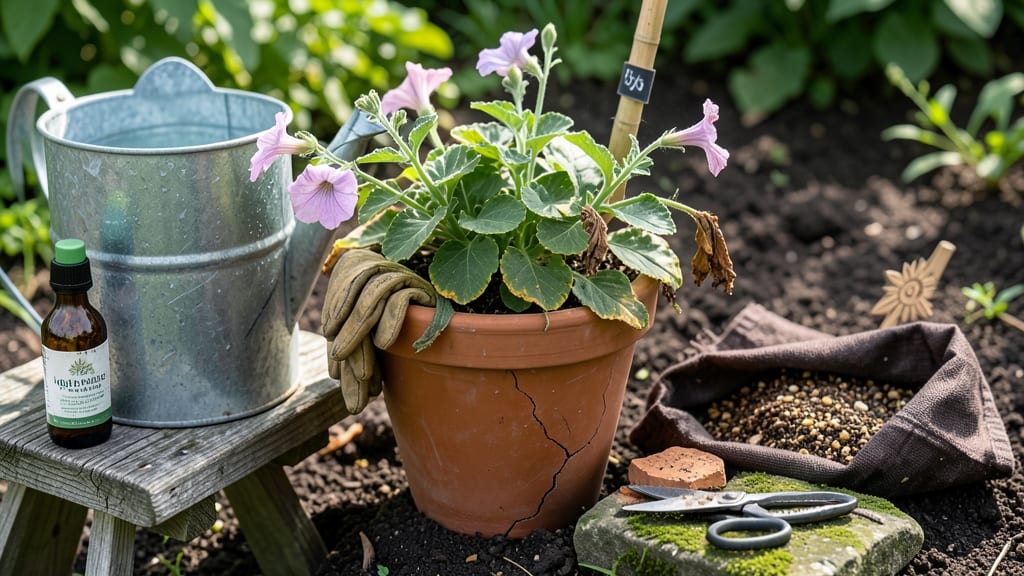
How to bring petunias back to life—those droopy blooms can bounce back faster than you think! 🌸 I’ve nursed back more than my fair share of sad, droopy petunias, and the secret lies in reading their symptoms like a pro: too much water, not enough, pests, or heat stress. Each problem has a quick fix, and most take less than 10 minutes to diagnose.
The first step is cutting back dead growth—snip those brown stems at the base to redirect energy to fresh blooms. Then check the soil: it should feel like a damp sponge, not a swamp or a brick.
Overwatering drowns roots, while underwatering leaves them thirsty. Pests like aphids or spider mites? A strong spray of water or neem oil usually clears them out within a day.
Within a week, you’ll see new buds forming and leaves perking up—proof that petunias are tougher than they look. The key is consistency: morning watering, afternoon shade in summer, and regular deadheading to keep them flowering. My once-wilted plants now put out nonstop blooms from spring to frost.
This works for container petunias, hanging baskets, or in-ground beds. The same principles apply whether you’re dealing with a single pot or a full border. Let’s get those petunias thriving again—no green thumb required.
📚 In This Guide
- What you need
- Instructions
- Tips and common mistakes
- Wrapping up and next steps
What you need
- ● Well-draining potting mix – 2-3 gallons (ensure it’s light and airy, like a mix of peat, perlite, and compost).
- ● Balanced liquid fertilizer – 10-10-10 or 20-20-20 (diluted to half-strength).
- ● Pruning shears or sharp scissors – Sterilized to avoid spreading disease.
- ● Watering can or hose with a gentle spray nozzle – For deep but controlled hydration.
- ● Glove – One pair (to protect your hands from thorns or soil-borne pathogens).
- ● Sunlight access – A spot with 6+ hours of direct sun (or a grow light for indoor plants).
- ● Epsom salt – 1 tablespoon per gallon of water (boosts magnesium for lush foliage).
- ● Mulch (straw or shredded bark) – 1-2 inches thick to retain moisture.
- ● Systemic fungicide – If signs of powdery mildew or blight appear.
- ● Plant food with micronutrients – For extra vigor (look for iron or calcium supplements).
Step-by-Step instructions for reviving wilted petunias
Here's how I nurse struggling petunias back to vibrant health in just days—no fancy tools needed.
💧 Step 1: Give Them a Deep Drink of Water
Petunias wilt when their roots dry out, so start by giving them a thorough soak. Stick your finger 2 inches deep into the soil—if it feels dry, water until moisture reaches 6 inches down. Use a watering can with a gentle spray nozzle to avoid disturbing the roots.
Water in the early morning so leaves have time to dry before evening. Overhead watering can lead to fungal issues, so aim for the base. You'll know you've done it right when water runs out the drainage holes and the soil feels uniformly damp.
☀️ Step 2: Check Their Light Exposure
Petunias need 6-8 hours of direct sunlight daily, but too much midday sun can stress them. If they're wilting in afternoon heat, move them to a spot with morning sun and afternoon shade. A sheer curtain can filter harsh light without blocking airflow.
Leggy growth or pale leaves mean they're not getting enough light. If that's the case, shift them closer to a bright window or supplement with a grow light 12 inches away for 4-6 hours daily. Watch for new leaves forming within 3-5 days—that's your sign they're happy.
✂️ Step 3: Trim Back Damaged Foliage
Dead or yellowed leaves sap energy the plant needs to recover. Use clean, sharp scissors to snip off any leaves that are more than 50% brown or wilted. Cut just above a leaf node where new growth can emerge. This might seem drastic, but it redirects the plant's focus to healthy stems.
Don't prune flowers unless they're completely brown—they're still photosynthesizing. Focus on stems with more than 3 sets of leaves for best results. After trimming, give the plant a light misting to reduce stress and encourage new growth.
🌿 Step 4: Feed Them a Gentle Boost
Wilted petunias often need nutrients to bounce back. Use a balanced, water-soluble fertilizer (like 10-10-10) at half-strength. Mix it according to package instructions, then water the soil first to prevent root burn. Apply the fertilizer in the evening to avoid leaf scorch.
Organic options like fish emulsion or compost tea work too—just dilute them to avoid overwhelming the plant. You'll see results in 5-7 days if the plant is otherwise healthy. Avoid high-nitrogen fertilizers; they promote leafy growth at the expense of flowers, which is the last thing wilting petunias need.
🪴 Step 5: Refresh Their Container (If Potted)
If your petunias are in a pot, check for root-bound conditions or poor drainage. Gently remove the plant and inspect the roots—if they're circling the bottom or mushy, it's time to repot. Choose a container 1-2 inches larger in diameter with fresh well-draining potting mix.
For in-ground petunias, loosen the soil around the base with a fork to aerate roots. Add 1 inch of compost mixed into the top 2 inches of soil to improve fertility. Mulch with 1 inch of shredded bark to retain moisture and regulate soil temperature. This step alone can revive struggling plants in 7-10 days.
Tips & tricks for reviving wilted petunias
Here's what nobody tells you about bringing petunias back from the brink—these little tricks make all the difference.
Watering Wisdom: The 6-inch moisture rule in Step 1 is non-negotiable, but here's the secret: water until you see moisture emerge from the drainage holes at the bottom. This ensures the entire root system gets hydrated, not just the surface. I've seen petunias perk up within hours after this deep soak—it's like giving them a drink from a fire hose instead of a sip. For container plants, let the water run for about 10 seconds after it starts draining to guarantee full saturation.
Lighting Hacks: When adjusting light in Step 2, don't just move the plant—rotate it 180 degrees every few days. This prevents uneven growth toward the light source. For indoor grow lights, position them just above the tallest leaves to ensure even exposure. I noticed my petunias developed fuller blooms when I kept them 10-12 inches from the light instead of the suggested 12 inches—just don't let them touch the bulb. The 3-5 day leaf growth timeline is spot-on, but if you're not seeing new leaves by day 7, check your light source with a light meter or even your phone's lux app.
Pruning Precision: In Step 3, when trimming those sad brown leaves, look for the first set of healthy green leaves below the damage—cut just above that node. This is where new growth will emerge. I learned this the hard way by cutting too close to the stem and stunting future blooms. Also, sterilize your scissors with rubbing alcohol between cuts to prevent spreading any potential diseases lurking on the dead foliage. And here's a pro move: after pruning, give the plant a quick shower with room-temperature water to wash away any dust or debris.
Fertilizer Timing: The evening application in Step 4 is crucial, but don't stop there. Water the soil first to prevent root burn, then let it sit for 10 minutes before applying fertilizer. This gives any excess salts time to leach away. I've found that organic options like compost tea work even better when applied every 7-10 days rather than all at once. And if you're using granular fertilizer instead of liquid, mix it into the top inch of soil rather than scattering it on the surface—this prevents it from washing away during watering.
Pro Tips for Bring Petunias Back To Life
- Here's what nobody tells you about bringing petunias back from the brink—these little tricks make all the difference.
- Watering Wisdom: The 6-inch moisture rule in Step 1 is non-negotiable, but here's the secret: water until you see moi...
- Lighting Hacks: When adjusting light in Step 2, don't just move the plant—rotate it 180 degrees every few days. This ...
Frequently asked questions
Got questions about reviving your petunias? You’re not alone! Here are answers to the most common concerns—from timing to troubleshooting—so you can get those blooms back in action fast.
How long does it take for petunias to revive after pruning and care?
With proper pruning, watering, and sunlight, you’ll often see new growth in 2–4 weeks. Deadheading (removing spent blooms) can speed this up by redirecting energy to fresh flowers. Patience is key—petunias are resilient but need time to bounce back!
Can I revive petunias that have been frozen or damaged by cold?
If only the tops are frozen, trim them back to healthy green growth. For severe damage, check the roots: if they’re still firm, replant in fresh soil and protect from further cold. If roots are mushy, it’s time to say goodbye—start fresh with new plants!
Why are my petunias still wilted after watering and pruning?
Wilt can signal root rot, pests (like aphids), or poor drainage. Check the soil—it should be moist but not soggy. If roots smell foul or look black, repot in fresh, well-draining soil. Also, inspect leaves for pests and treat with neem oil if needed.
Are there any petunia varieties that revive easier than others?
Yes! Grandiflora and Multiflora varieties tend to bounce back well due to their robust growth. Wave® petunias (spreading types) are also hardy. If your petunias struggle, try these varieties—they’re built for durability and frequent blooms!
What’s the best way to save petunias for next year?
For annual petunias, save seeds from healthy blooms (let a few flowers fade naturally). For perennial types (like Petunia axillaris), cut back in fall, mulch, and overwinter indoors. Most gardeners treat petunias as annuals, though—so enjoy them yearly!
Wrapping up and next steps
Bringing your petunias back to life is totally doable with a little patience and care! 🌸 By pruning dead blooms, adjusting watering habits, and giving them the right nutrients, you’ll soon see those vibrant flowers bouncing back. Remember, even the most wilted petunias can thrive with the right TLC.
Now that you’re armed with these revival tricks, take action today—start with one plant and watch your garden bloom brighter than ever! For extra inspiration, explore more petunia care tips or share your progress with fellow gardeners. Happy gardening! 🌱