
Transplanting
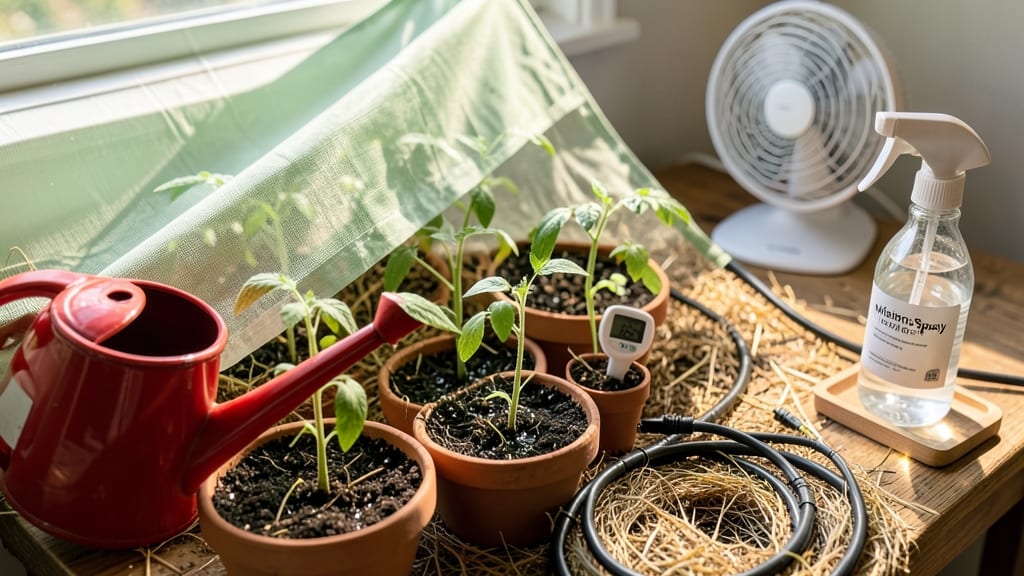
How to care for seedlings during a heatwave—before they even get a chance to grow. 🌱 I’ve watched heatwaves turn lush young plants into crispy reminders of what not to do—and I’m here to share the exact tricks that saved mine last summer.
The key is keeping roots cool and moisture locked in. Shade cloth (30-50%) blocks the worst sun while letting light through, and a thick layer of mulch keeps soil temperatures down. Water in the early morning so roots soak up moisture before the heat dries everything out.
You’ll spot heat stress fast—leaves droop, edges crisp, or plants turn pale. But act quickly: move struggling seedlings under shade immediately, and check soil moisture with your finger (top inch should feel damp, not dry).
This works for containers, raised beds, or in-ground starts—just adjust shade and watering based on your setup. The goal? Seedlings that stay moist, strong, and ready to thrive when cooler weather returns.
📚 In This Guide
- What you need
- Instructions
- Tips and common mistakes
- Wrapping up and next steps
What you need
- ● Shade cloth (30-50% blockage) – At least 1–2 square yards per seedling tray or container (adjust based on size). Opt for lightweight, breathable fabric to avoid overheating roots.
- ● Stakes or hoops – 4–6 wooden or metal stakes (6–12 inches tall) to secure shade cloth over seedlings. Alternatively, use flexible wire hoops for larger setups.
- ● Twine or clips – 1–2 spools of twine or plastic clips to fasten shade cloth to stakes.
- ● Watering can or spray bottle – A gentle-mist sprayer (for delicate seedlings) or a narrow-spout watering can (1–2 gallons capacity) to avoid disturbing soil.
- ● Moisture-retaining granules – 1–2 cups of hydrogel crystals or coco coir pellets (pre-moistened) to lock in hydration.
- ○ Thermometer (optional but handy) – A soil thermometer to monitor temps (ideal range: 60–75°F for most seedlings).
- ● Reflective mulch – Aluminum foil or white plastic sheeting to deflect sunlight from the soil surface.
- ● Fan or oscillating breeze maker – A small USB fan on low setting to improve airflow around seedlings.
- ● Drip irrigation kit – For larger setups, a low-flow drip system to deliver water slowly without stress.
- ● Humidity dome or plastic wrap – Clear plastic wrap (lightly draped, not sealed) to trap moisture around seedlings during peak heat.
- ● pH test kit – To check soil pH (most seedlings prefer 6.0–7.0) and adjust if needed.
Step-by-Step instructions for protecting seedlings in extreme heat
Here's how I keep tender seedlings thriving when temperatures soar—no wilting or stress in sight.
🌿 Step 1: Provide Immediate Shade Protection
Move seedlings to a shaded area the moment temperatures exceed 85°F. I use a 30-50% shade cloth draped loosely over a frame—just enough to filter direct sun while allowing airflow. The cloth should sit 6-12 inches above plants to prevent leaf burn from trapped heat. You'll notice leaves stay a vibrant green instead of turning dull or crispy at the edges.
If you don't have shade cloth, improvise with white bedsheets or cheesecloth secured with clips. The key is partial shade—full shade slows growth, but no shade means scorched seedlings. Check midday when the sun is strongest; that's when seedlings need protection most.
💧 Step 2: Water Deeply at Cool Times
Water early morning or late evening when temperatures are below 75°F. Use a gentle stream to soak the soil 1-2 inches deep—you'll see water bead up on the surface before draining away. Overhead watering midday causes evaporation and fungal issues, so avoid it. Instead, water at the base of plants using a watering can with a narrow spout.
Mulch with 1 inch of straw or shredded leaves after watering to lock in moisture and keep roots cool. The mulch acts like a blanket, slowing evaporation and protecting seedlings from heat radiating off the soil. You'll notice fewer wilting leaves and healthier growth over time.
☀️ Step 3: Boost Air Circulation Without Direct Sun
Place a small fan on low speed near seedlings to create a light breeze. This mimics natural airflow and prevents heat buildup around leaves. Position the fan so it doesn't blow directly on seedlings—just 3-4 inches away—to avoid stress. You'll see leaves stay upright and avoid the "floppy" look of heat stress.
If outdoors, choose a spot with natural airflow, like near a fence or under a tree with dappled shade. Avoid enclosed spaces like greenhouses without ventilation—heat traps inside will cook seedlings in hours. Open vents or crack windows slightly to let hot air escape while keeping humidity levels stable.
⏰ Step 4: Monitor and Adjust Daily
Check seedlings twice daily—morning and evening—for signs of stress. Look for yellowing leaves, curled edges, or wilting as red flags. If you see these, increase shade immediately or move seedlings to a cooler spot. A quick touch test tells you if soil is dry: if the top ½ inch feels dry, it's time to water again.
Adjust shade cloth as needed—if temperatures drop below 80°F, you can remove it for a few hours to let seedlings get some sunlight. But if heatwaves persist, keep it in place. Seedlings are resilient, but extreme heat can set them back permanently. Your goal is to keep them comfortable, not perfect—a little stress is normal, but wilting is a warning sign.
Tips & tricks for protecting seedlings in extreme heat
Keeping seedlings happy during heatwaves takes a few simple but crucial adjustments—here's what I've learned after watching my own seedlings thrive when others wilted.
Shade Timing is Everything: The moment temperatures hit 85°F is your cue to act. I've found that checking temperatures at 10 AM gives you the best heads-up for midday protection. If you're using shade cloth, adjust it so it's 10-12 inches above seedlings—this distance prevents leaf burn while still filtering harmful UV rays. The key is finding that sweet spot where leaves stay vibrant green, not dull or crispy at the edges. I also recommend checking shade cloth coverage every 2 hours during peak sun (11 AM to 3 PM) to ensure consistent protection.
Watering Technique Matters More Than You Think: The 1-2 inch deep watering in Step 2 isn't just about quantity—it's about technique. I use the "finger test" to check moisture: if the top ½ inch of soil feels dry, it's time to water. But here's what nobody tells you: water should bead up on the surface before draining away. This tells you the soil can absorb moisture properly. If water pools or runs off immediately, your soil might be too compacted—gently loosen the top inch with your fingers to help water penetrate. And always water at the base, never overhead, to prevent fungal issues that thrive in heat and humidity.
Fan Placement Can Make or Break Your Seedlings: That 3-4 inch distance from the fan to seedlings isn't arbitrary—it's the perfect balance between airflow and avoiding stress. I've ruined seedlings by positioning fans too close, causing them to lean away from the breeze. For best results, place the fan on the opposite side of where the sun is strongest. If you don't have a fan, create airflow by gently waving a large piece of cardboard back and forth near the seedlings every 30 minutes during peak heat. This mimics natural wind movement and prevents heat buildup around leaves.
Pro Tips for Care For Seedlings During Heatwave
- Keeping seedlings happy during heatwaves takes a few simple but crucial adjustments—here's what I've learned after watching my own seedlings thrive when others wilted.
- Shade Timing is Everything: The moment temperatures hit 85°F is your cue to act.
- Watering Technique Matters More Than You Think: The 1-2 inch deep watering in Step 2 isn't just about quantity—it's about technique.
Frequently asked questions
Got questions about keeping your seedlings thriving in scorching temps? You’re not alone!
Here are answers to the most common concerns—so you can relax and focus on growing those green babies safely.
How often should I water seedlings during a heatwave?
Check soil moisture daily—early morning is best. Water deeply (1-2 inches) when the top inch feels dry, but avoid overhead spraying to prevent fungal issues. Use a moisture lock (like mulch or damp burlap) to retain moisture longer. Pro tip: Water at the base, not the leaves, to reduce evaporation.
Can I use regular shade cloth, or do I need special heatwave protection?
Regular shade cloth (30-50%) works, but heatwave-specific options (like reflective silver cloth) block more sun and radiant heat. If you’re DIY-ing, layer a cheap white sheet over existing cloth for extra protection. Warning: Avoid plastic—it traps heat!
What’s the best time of day to move seedlings outdoors during extreme heat?
Harden off seedlings gradually in the early morning or late afternoon (6–8 AM or 4–6 PM). Avoid peak sun (10 AM–4 PM). If temps exceed 90°F (32°C), delay outdoor exposure until the heatwave passes. Pro tip: Use a fan indoors to mimic wind stress for tougher seedlings.
My seedlings look wilted—is it heat stress or overwatering?
Heat stress causes soft, droopy stems (touch them—they’ll spring back if just thirsty). Overwatering leads to yellowing leaves and mushy roots. Troubleshoot: Gently tug a seedling—if it pulls out easily, it’s root-bound or drowned. Trim damaged leaves and repot if needed.
What’s a budget-friendly alternative to shade cloth?
Try these DIY fixes:
- Old white sheets or towels: Hang loosely over seedlings (reflects light + blocks heat).
- Cardboard boxes: Prop open boxes over seedlings for instant shade (remove when temps drop).
- Bamboo stakes + fabric strips: Create a mini "tent" for individual plants.
Wrapping up and next steps
Caring for seedlings during a heatwave doesn’t have to be stressful—with the right tools and techniques, you can protect your young plants and nurture them through the scorching days. 🌱✨ Remember, shade cloth, proper watering, and monitoring humidity are your best allies.
Stay patient and consistent, and soon, you’ll see those seedlings thrive even in the hottest weather!
Now that you’re armed with these tips, take action today. Set up your shade cloth, check your seedlings’ moisture levels, and keep an eye on their progress. Your green thumb is closer than ever—let’s grow those plants together! 🌿💚