
Lawn
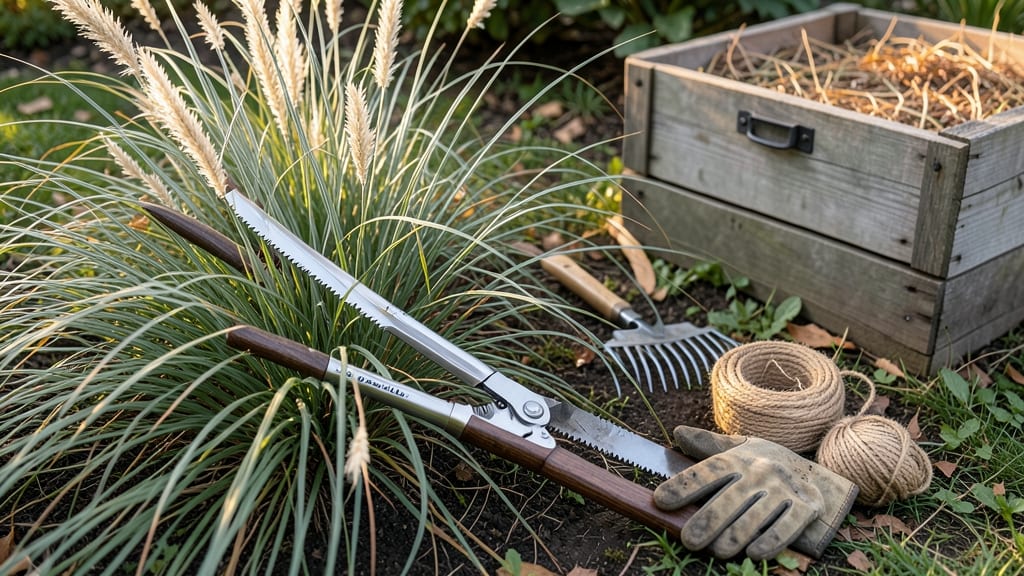
How to cut down ornamental grass the right way—it’s not a massacre, it’s a sharp haircut. ✂️ The right cut keeps it looking intentional all year, not like a sad, overgrown mess. I’ve learned the hard way that timing and technique matter more than brute force, especially with delicate varieties like fountain grass or maiden grass that can take years to recover from a bad trim.
First, grab the right tools: sharp hedge shears or a string trimmer for thick clumps, never dull scissors. Wait until late winter or early spring when the grass is dormant—this avoids disturbing new growth.
For fountain grass, cut back one-third of the height; maiden grass can handle a harder cut right to the ground. The key is working with the plant’s natural shape, not against it.
You’ll end up with neat, upright stems that look fresh for months, not a tangled pile that flops over by summer. The secret is patience—never rush the process, and always step back to check your lines.
A well-trimmed ornamental grass adds structure to your garden, not just clutter. Here’s how to do it without stress.
Post-pruning care is simple: water lightly if your area is dry, and avoid fertilizing until new growth appears. Most grasses bounce back within 4-6 weeks, but some varieties like pampas grass need even more time.
The payoff? A garden that stays polished with minimal effort—no more hiding those grasses in the back corner. Let’s get those clumps looking intentional.
📚 In This Guide
- What you need
- Instructions
- Tips and common mistakes
- Wrapping up and next steps
What you need
- ● Heavy-duty pruners or shears: Choose bypass pruners (not anvil-type) for clean cuts—look for 5- to 8-inch blades for ornamental grass. 1 pair is all you need!
- ● Hedge shears: Long-handled (24-36 inches) for taller varieties like Miscanthus or Pennisetum. 1 pair suffices.
- ● Loppers: For thick, woody stems (e.g., Cortaderia selloana), opt for 24-inch loppers with bypass blades for sharp cuts. 1 pair recommended.
- ● Gloves: Wear cut-resistant, heavy-duty gloves (e.g., mechanics’ or pruning gloves) to protect your hands from sharp blades and splinters.
- ● Safety goggles: Protect your eyes from debris—ANSI-rated safety glasses or goggles are ideal.
- ○ Knee pads or a small stool: If your grass is tall, kneeling or sitting will save your back! Optional but highly recommended for comfort.
- ● String or garden twine: Tie up clumps of cut grass to dispose of easily. 1 small spool is plenty.
- ● Trash bags or garden waste bin: For hauling debris. 2-3 large bags or a wheelbarrow for bigger jobs.
- ● Extension pole for shears: If your ornamental grass is 6+ feet tall, an extendable pole (e.g., 3-5 feet long) makes trimming from the ground easier.
- ● Rake or leaf blower: Clears away debris after trimming for a neater workspace.
- ● Disinfectant spray: (e.g., rubbing alcohol or 10% bleach solution) to wipe down tools and prevent disease spread between cuts.
- ● Marking spray or flags: If trimming in stages, mark areas to avoid over-cutting or missing spots.
Step-by-step instructions for cutting down ornamental grass
Ornamental grasses deserve the same care as your prized perennials—here’s how to trim them like a pro.
✂️ Step 1: Choose the Right Time and Tools
Late winter or early spring—just before new growth begins—is ideal for cutting back ornamental grasses. This timing lets you remove last year’s foliage without disturbing emerging shoots. I always use sharp, bypass pruners or a heavy-duty pair of loppers for clean cuts. Never use a dull blade; it crushes stems and leaves ragged edges that invite disease.
For larger clumps, a string trimmer with a fine blade works well, but keep it at least 3 inches above the ground to avoid damaging the crown. If your grass has seed heads, wear gloves—they can be sharp and irritating. I like to mark the height with a spray-painted line on the trimmer handle for consistency.
✂️ Step 2: Cut Strategically for Shape and Health
Start by removing dead or damaged foliage first—this improves airflow and reduces pests. For most ornamental grasses, cut back to 4-6 inches above the ground, but adjust based on the variety. Some, like fountain grass (Pennisetum), can handle shorter cuts, while others, like maiden grass (Miscanthus), need more length to protect their crowns.
Work in sections if the clump is large. I always step back occasionally to check the shape—this prevents uneven cuts. For grasses with thick, woody stems, use pruners to make clean cuts at the base. Avoid leaving stubble; it looks messy and can harbor pests over winter.
🌱 Step 3: Clean Up and Maintain Year-Round
After cutting, gather the debris and dispose of it in the compost or yard waste. Leaving old foliage can smother new growth and attract pests. I like to mulch the base with a thin layer of shredded bark or compost to protect the crown during late winter freezes.
Throughout the growing season, check your ornamental grasses monthly. If they look ragged, trim selectively with hand pruners to maintain shape. In fall, you can leave the seed heads for winter interest—or cut them back if they’re unsightly. Just remember: the key is consistency. Ornamental grasses thrive with regular, gentle maintenance.
⏰ Step 4: Adjust for Seasonal Growth Patterns
Some grasses, like little bluestem (Schizachyrium), develop striking winter color, so I avoid cutting them back until late winter. Others, like Japanese forest grass (Hakonechloa), benefit from a light trim in early summer to encourage bushier growth. Pay attention to how your specific varieties respond—this is the secret to keeping them looking polished year-round.
If you notice yellowing or browning in the center of a clump, it’s a sign of dead tissue. Cut it out completely to allow fresh growth to fill in. Over time, this keeps your ornamental grasses dense and vibrant. I always make a note of which varieties need special attention—some are more forgiving than others.
Tips & tricks for precision ornamental grass trimming
These pro-level strategies will help you achieve that showroom-worthy look in your garden without sacrificing plant health.
Timing is Everything: Late winter or early spring is your sweet spot because the grass is dormant but about to wake up. I've learned the hard way that cutting too early can damage emerging shoots, while waiting too long means dealing with seed heads that can become invasive. If you missed the window, don't panic—just wait until new growth appears before trimming. The key is to work just before the grass starts its upward push.
Tool Selection Matters: Sharp tools are non-negotiable. I've used everything from hedge trimmers to string trimmers, but nothing beats a good pair of bypass pruners for clean cuts. For larger areas, a string trimmer with a fine blade works wonders—just remember to keep it at least 3 inches above the ground to protect the crown. Pro tip: Mark your trimmer handle with a spray-painted line to maintain consistent height every time.
Variety-Specific Care: Not all grasses are created equal. Fountain grass (Pennisetum) can handle shorter cuts, while maiden grass (Miscanthus) needs that extra length to protect its crown. I keep a quick reference guide handy with my most common varieties and their ideal cut heights. When in doubt, err on the side of leaving more length—you can always trim more later, but you can't uncut what you've already removed.
Seasonal Maintenance Hack: Throughout the growing season, I do quick maintenance checks every 4-6 weeks. This prevents the "I'll do it all at once" trap that leads to overgrown messes. A simple monthly trim with hand pruners keeps things tidy without stressing the plant. In fall, I leave seed heads for winter interest unless they're looking particularly ragged—it's all about balancing aesthetics with plant health.
Pro Tips for Cut Down Ornamental Grass
- These pro-level strategies will help you achieve that showroom-worthy look in your garden without sacrificing plant h...
- Timing is Everything: Late winter or early spring is your sweet spot because the grass is dormant but about to wake u...
- Tool Selection Matters: Sharp tools are non-negotiable. I've used everything from hedge trimmers to string trimmers, ...
Frequently asked questions
Got questions about trimming ornamental grass? You’re not alone! Here are answers to the most common concerns—so you can tackle the job with confidence.
When is the best time to cut down ornamental grass?
For most varieties, late winter or early spring (just before new growth starts) is ideal. This keeps your grass tidy year-round while avoiding damage to emerging shoots. Pro tip: If your grass is dormant in winter, a light trim after snowfall prevents snow mold and keeps it looking sharp.
How short can I cut ornamental grass without harming it?
Never cut more than 1/3 of the plant’s height at once—this rule protects the crown and roots. For most ornamental grasses, aim to leave 6–12 inches of growth, depending on the variety. Warning: Over-trimming can stress the plant, leading to brown patches or stunted growth.
Can I cut ornamental grass in fall or winter?
Yes, but with caution! In fall, trim after the first frost to avoid encouraging new growth that might die in cold snaps. In winter, a light cleanup (removing dead fronds) is fine, but avoid heavy cuts—dormant plants are vulnerable. Bonus: A winter trim prevents seed heads from spreading unwanted seeds.
What if my ornamental grass turns brown after cutting?
Brown tips or patches can happen if you cut too low, too late, or during extreme weather. Fix it: Avoid trimming in heatwaves or frost, and fertilize lightly in spring. Most grasses bounce back once conditions improve—just leave it be until new growth appears!
Do I need special tools for ornamental grass, or will regular shears work?
While hedge shears or bolt cutters work for small jobs, heavy-duty pruners or a string trimmer handle thick clumps better. For large patches, a grass-specific trimmer (like a flail mower) ensures clean cuts without tearing. Pro move: Sharpen blades annually for smoother trims!
Wrapping up and next steps
Cutting down ornamental grass doesn’t have to be a daunting task—with the right tools, timing, and technique, you can achieve a neat, polished look year-round! 🌿 Whether you’re trimming for aesthetics, health, or seasonal prep,
Ready to tackle your next project? Grab your tools, follow your plan, and enjoy the satisfaction of a beautifully manicured landscape! 🌟 For even more tips, check out our guide on seasonal grass care to keep your yard thriving all year.