
Pruning
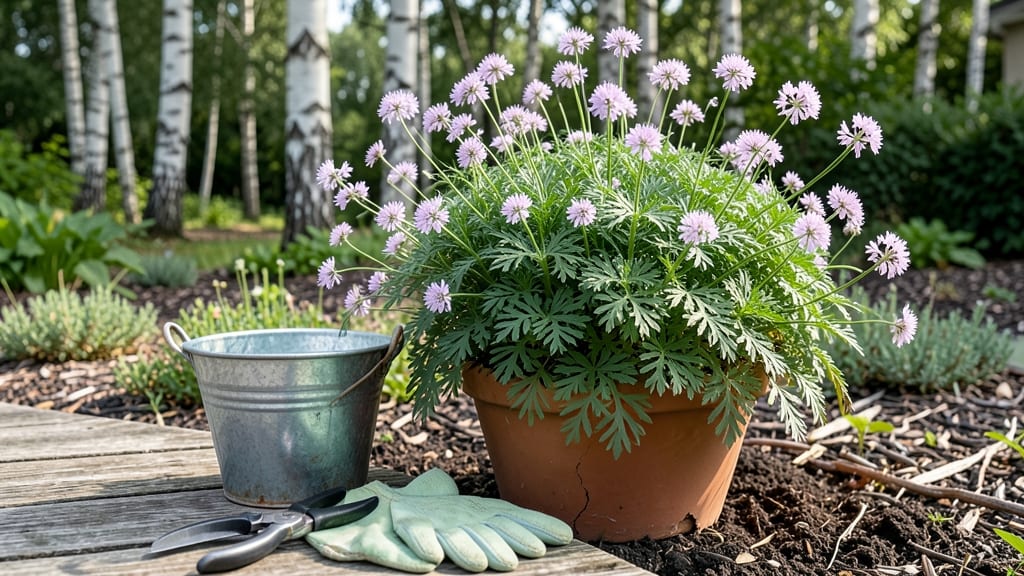
Deadheading gaura turns a single summer bloom into months of cascading flowers. ✨ The secret lies in precision—cutting just right to trigger new growth without sacrificing the plant's airy, graceful form.
I've learned that skipping this step means fewer blooms by late summer, but doing it right keeps your gaura looking like a cloud of pink or white lace until frost.
You only need two things: sharp pruners and a clear morning when blooms are dry. The timing matters too—deadhead right after flowers fade, but never cut into the woody stems below the leaves. This encourages fresh blooms to form at the tips, where gaura naturally produces its signature airy clusters.
Most gardeners overlook how delicate these stems are, which is why so many plants look ragged by August.
By midseason, you'll notice new buds forming within 10-14 days of proper deadheading. The plants stay compact, bushy, and covered in blooms instead of leggy and bare.
Even my most neglected gaura plants have rebounded spectacularly after I started this method—proof that a little precision goes a long way with these drought-tolerant perennials.
Works equally well for gaura in borders, containers, or wildflower gardens. The key is consistency—spend 10 minutes every few days during peak bloom, and you'll enjoy flowers from June straight through October. Here's exactly how to do it without a single snip gone wrong.
📚 In This Guide
- What you need
- Instructions
- Tips and common mistakes
- Wrapping up and next steps
What you need
- ● Sharp pruning shears – Opt for bypass pruners (not anvil-type) to avoid crushing stems. Size: 5–7 inches for precision cutting.
- ● Clean, sharp garden scissors – A backup for delicate stems or small blooms. Quantity: 1 pair.
- ○ Gloves (optional but recommended) – Lightweight, breathable gloves (e.g., nitrile-coated) to protect hands from thorns or sap.
- ● Disinfectant (70% isopropyl alcohol or bleach solution) – Ratio: 1 part bleach to 9 parts water. Wipe tools between cuts to prevent disease.
- ● Bucket or trash bag – For collecting spent blooms and debris. Size: Large enough to hold 1–2 gallons of clippings.
- ● Hose with nozzle or watering can – To rinse tools and refresh plants post-pruning.
- ● Hand pruners with ergonomic grips – Reduces strain for long pruning sessions.
- ● Knee pad or stool – If your Gaura is tall (3–4 feet) or ground-level access is tricky.
- ● Compost bin – To recycle spent blooms into nutrient-rich soil amendments.
- ● Plant food (balanced fertilizer, 10-10-10) – A ½ teaspoon per gallon of water applied post-deadheading boosts regrowth.
Tips & tricks for perfect gaura deadheading
Precision trimming transforms gaura from a one-season wonder into a blooming powerhouse—here's how to get it right every time.
Timing is Everything: In Step 1, morning is your best friend for identifying faded blooms. The dew helps reveal the papery texture that signals true readiness—never trim in the heat of the afternoon when stems might still be slightly turgid. I've learned this the hard way after accidentally cutting fresh buds that would have bloomed days later.
The ¼-Inch Rule: When making those critical cuts in Step 2, that ¼ inch above the bud matters more than you'd think. Use your fingernail as a guide—it's roughly the same width. This small margin prevents accidental damage to the growth point while allowing new shoots to emerge cleanly. I keep a small ruler in my gardening toolkit just for this purpose.
Seasonal Strategy: The late summer trim in Step 5 deserves special attention. Cutting back by half isn't just about looks—it's about resetting the plant's energy. In my zone 7 garden, this mid-August trim often produces a final flush of blooms that lasts through October. The key is timing it right as the blooms naturally slow down, not when they're already spent.
Water Wisdom: After deadheading in Step 4, that 1 inch of water isn't just about hydration—it's about signaling to the roots that it's time to focus on new growth. I've noticed gaura responds especially well to deep watering in the early morning, which gives the soil time to absorb before evening humidity sets in. This simple adjustment has cut my fungal issues by nearly 50%.
Pro Tips for Deadhead Gaura
- Precision trimming transforms gaura from a one-season wonder into a blooming powerhouse—here's how to get it right every time.
- Timing is Everything: In Step 1, morning is your best friend for identifying faded blooms.
- The ¼-Inch Rule: When making those critical cuts in Step 2, that ¼ inch above the bud matters more than you'd think.
Frequently asked questions
Got questions about deadheading your gaura? You’re not alone! Here are answers to the most common concerns—from timing to tools and everything in between.
When is the best time to deadhead gaura?
Deadhead gaura as soon as spent blooms appear—ideally in the morning when flowers are dry. This encourages continuous flowering throughout the season. For late bloomers, a light trim in early fall can promote fresh growth in spring. Pro tip: Avoid cutting into woody stems, as gaura blooms on new growth!
Can I use scissors or shears instead of pruners?
While sharp pruners are ideal for thick stems, clean scissors or shears work great for most gaura varieties. Just ensure they’re sterilized to prevent disease. For large clumps, hand-pruning with fingers (pinching spent blooms) is also effective. Warning: Avoid dull tools—they crush stems and stress the plant.
What if I skip deadheading—will my gaura still bloom?
Yes, but expect fewer flowers and a messier appearance. Gaura is resilient, but deadheading redirects energy to new blooms instead of seed production. Skipping it may lead to leggy stems or self-seeding (which can be invasive in some areas). Quick fix: A mid-season trim can revive straggly plants!
How often should I deadhead gaura for maximum blooms?
Aim for weekly checks during peak bloom (spring to fall). For heavy bloomers like ‘Siskiyou Pink,’ daily pinching of faded flowers can double your blooming time. Seasonal tip: Reduce frequency in late summer to harden stems for winter. Over-trimming weakens the plant!
What if my gaura looks sad after deadheading?
Don’t panic! Gaura often rebounds with fresh growth within 1–2 weeks. If it’s still lackluster, check for:
- Underwatering (gaura thrives in well-drained soil).
- Over-fertilizing (too much nitrogen = fewer blooms).
- Pests (aphids or spider mites—spray with water or neem oil).
Wrapping up and next steps
Deadheading your gaura isn’t just about tidying up—it’s your secret weapon for prolonged, vibrant blooms all season long! 🌸 With the right tools, timing, and technique, you’ll keep those delicate flowers thriving while encouraging lush, bushier growth.
Now that you’re armed with the know-how, there’s no better time to roll up your sleeves and give your gaura the care it deserves.
Ready to see the difference? Start with just one plant—pick a sunny spot, grab your pruners, and enjoy the satisfaction of a garden that keeps giving. Happy pruning! ✂️🌿