
Aphids
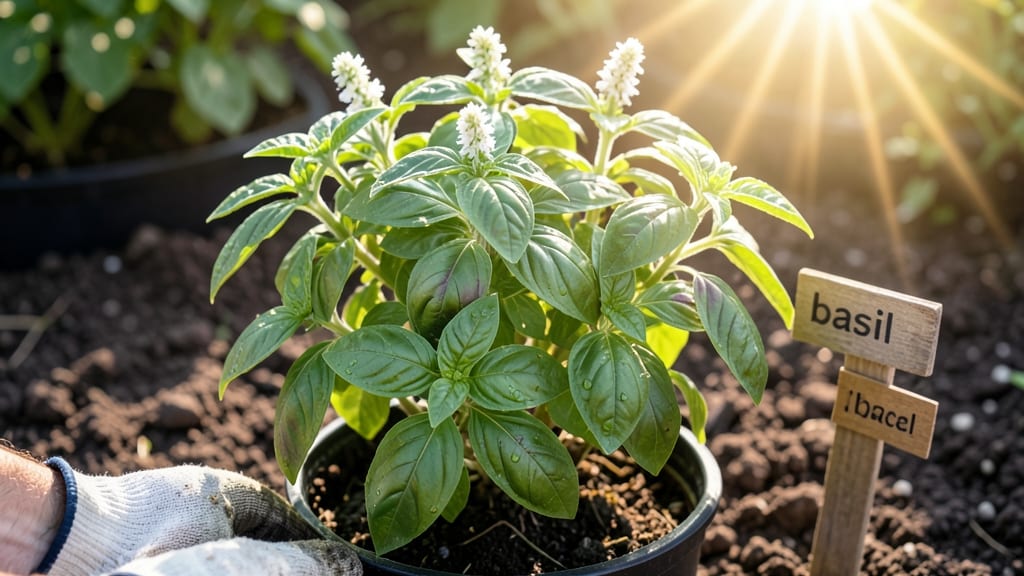
Encouraging basil growth starts with sunlight—at least 6 hours daily. 🌞 Last summer, my basil bolted to flower because I moved it under a shady tree, and all that sweet potential turned bitter. The right light, soil, and spacing keep those leaves tender and prolific all season.
You’ll need well-draining potting mix (or garden soil amended with compost), a pot at least 6 inches deep (or space in your garden bed), and a spot where the plant gets morning sun and afternoon shade. Water when the top inch feels dry—overwatering is the silent basil killer.
Pruning is where the magic happens: pinch off the top set of leaves when the plant reaches 6 inches tall, and you’ll trigger bushier growth. Use organic fertilizer every 3-4 weeks, and watch those leaves stay vibrant green instead of yellowing or stretching.
Container growers, add a layer of gravel at the bottom to prevent rot. In-ground plants need 12-18 inches between each plant to avoid competition. The payoff? Fresh basil for months, not weeks.
📚 In This Guide
- What you need
- Instructions
- Tips and common mistakes
- Wrapping up and next steps
What you need
- ● Basil plants or seeds: 3–5 basil plants (if transplanting) or 1 packet of seeds (for starting from scratch).
- ● Pro tip: Choose disease-resistant varieties like Genovese or Sweet Basil for best results! 🌿
- ● Containers or garden bed: For containers: 1–2 pots per plant (6–8 inches in diameter) with drainage holes.
- ● For garden beds: A sunny spot with well-draining soil (6+ hours of sunlight daily).
- ● Potting mix: 1–2 bags of high-quality, well-draining potting soil (avoid garden soil—it can compact and suffocate roots!).
- ● Watering can or hose: With a gentle spray nozzle for even hydration.
- ● Fertilizer: Balanced liquid fertilizer (e.g., 10-10-10 or 20-20-20) or
- ● Organic options like fish emulsion or compost tea.
- ● Pruning shears (clean, sharp scissors work too!) for trimming and harvesting.
- ● pH testing kit to ensure soil pH is between 6.0–7.0 (basil thrives in slightly acidic to neutral soil!).
- ● Mulch (straw or shredded leaves) to retain moisture and suppress weeds.
- ● Support stakes or cages (if growing tall varieties like Thai basil).
- ● Shade cloth (for hot climates to protect from scorching sun).
- ● ✅ Sunlight: Confirm your growing spot gets 6+ hours of direct sunlight daily (basil is a sun-worshipper!).
- ● ✅ Time: Basil grows fast—be ready to water, fertilize, and prune every 1–2 weeks.
- ● ✅ Patience: Seeds take 7–14 days to sprout; transplants may need 1–2 weeks to adjust.
Step-by-step instructions for encouraging basil growth
Here’s how I’ve grown basil so vigorously it practically begs to be harvested—no fancy tools, just smart care.
🌱 Step 1: Start with the Right Soil and Light
Basil thrives in well-draining potting mix that stays moist but never soggy. I always mix in a handful of compost to give those roots a nutrient boost from day one. The soil should feel like a damp sponge—squeeze it gently, and if water drips out, it’s too wet.
Place your basil in a spot with 6-8 hours of direct sunlight daily. A south-facing window works, but if your basil starts stretching toward the light (leggy growth), it’s not getting enough. Move it closer or supplement with a grow light for 12-14 hours per day. You’ll know it’s happy when leaves are dark green and compact, not pale and spaced far apart.
💧 Step 2: Water Consistently Without Overdoing It
Water basil when the top inch of soil feels dry to the touch. I check this by sticking my finger in—if it’s damp, wait another day. Overwatering is the #1 killer of basil, so always use a pot with drainage holes. When you water, do it at the base to avoid wetting the leaves, which can lead to fungal issues.
Here’s the thing—basil hates wet feet. If you see yellowing leaves or mushy stems, you’re overwatering. Let the soil dry out slightly between waterings, especially in cooler weather. A good rule: if the pot feels light, it’s time to water.
☀️ Step 3: Prune and Pinch for Bushier Growth
Pinching is the secret to bushy basil. When your plant has 4-6 sets of true leaves (not the initial seed leaves), use your fingers to gently pinch off the top set of leaves. This encourages the plant to branch out instead of growing tall and leggy. You’ll see new side shoots forming within a week—that’s your signal it’s working.
Once your basil is established, keep pruning regularly by cutting back the top 2-3 inches of growth. Always cut just above a leaf node (where leaves meet the stem) to encourage new growth. Harvest leaves frequently too—this not only gives you fresh basil but also prevents the plant from flowering too soon, which makes leaves bitter.
✂️ Step 4: Protect from Pests and Temperature Swings
Basil attracts pests like aphids and whiteflies, but a strong spray of water usually knocks them off. I also rotate my pots weekly so pests don’t settle in one spot. If you see holes in leaves or sticky residue, act fast—neem oil spray works wonders without harming the plant.
Basil loves warmth but wilts in heat over 90°F. If your basil starts to droop in extreme heat, move it to a shadier spot for a few hours. Cold snaps below 50°F will shock it, so bring potted basil indoors if frost is forecasted. A sudden temperature drop is what makes basil leaves turn yellow or crispy overnight.
🪴 Step 5: Fertilize Lightly and Repot as Needed
Feed basil every 4-6 weeks with a balanced, water-soluble fertilizer diluted to half strength. Too much fertilizer burns roots, so less is more. I use a 10-10-10 mix and always water the soil first to avoid salt buildup. You’ll know it’s working when new leaves emerge vibrant and healthy.
If your basil outgrows its pot (roots circling the bottom or soil drying out too fast), repot it into a container 2-3 inches larger. Use fresh potting mix and water thoroughly after transplanting. Basil doesn’t like being root-bound, so don’t wait until it’s struggling—move it up when you see roots poking through drainage holes.
Tips & tricks for perfect basil growth
Here's what nobody tells you about growing basil that'll make all the difference between a sad little plant and a thriving herb garden star.
Soil and Light Strategy: The secret to that perfect "damp sponge" soil texture is mixing equal parts potting mix and perlite or vermiculite. This improves drainage while keeping moisture retention just right. For light, I've found that placing my basil on a windowsill with a small mirror angled to reflect sunlight can extend those crucial 6-8 hours of direct light—especially helpful in cloudy weather. This simple trick helps prevent that leggy growth we all dread.
Watering Wisdom: I learned this the hard way after ruining three basil plants—always water at the base, never from above. The leaves act like little sponges and can develop fungal issues if they stay damp. Another pro move: use a moisture meter (they're cheap!) to check that top inch of soil. If it reads dry, it's time to water; if it's still moist, wait another day. Consistency is key here.
Pruning and Pinching: When you're pinching those top sets of leaves, don't just grab and pull—use clean scissors or your thumbs to make a clean cut just above the leaf node. This precision encourages stronger new growth. I also recommend harvesting leaves in the morning when they're most flavorful and the plant is fully hydrated. This regular harvesting actually stimulates more growth, creating a positive feedback loop.
Temperature and Pest Protection: That 90°F threshold isn't just arbitrary—it's when basil starts to wilt from heat stress. I keep a small fan nearby to improve air circulation around my plants, which helps prevent wilting and reduces pest attraction. For temperature drops below 50°F, I've had success using a simple heat mat under the pots during chilly nights. This small investment has saved my basil from multiple cold snaps.
Pro Tips for Encourage Basil Growth
- Here's what nobody tells you about growing basil that'll make all the difference between a sad little plant and a thriving herb garden star.
- Soil and Light Strategy: The secret to that perfect "damp sponge" soil texture is mixing equal parts potting mix and perlite or vermiculite.
- Watering Wisdom: I learned this the hard way after ruining three basil plants—always water at the base, never from above.
Frequently asked questions
about encouraging basil growth—because even the greenest thumbs need a little help! Here are answers to the most common questions to keep your basil thriving.How often should I water my basil to promote growth?
Water basil 1–2 times daily during hot weather, keeping the soil consistently moist (not soggy). In cooler months, water every 2–3 days. Overwatering can cause root rot, while underwatering stunts growth. Stick your finger an inch into the soil—if it’s dry, it’s time to water!
Why is my basil growing slowly, even with good care?
Slow growth often signals nutrient deficiency, poor drainage, or pests. Check for yellowing leaves (nitrogen deficiency) or chewed edges (aphids). Repot in fresh, well-draining soil, fertilize lightly with balanced organic fertilizer, and inspect for pests like aphids or spider mites.
Can basil grow indoors without direct sunlight?
Yes, but it needs 6+ hours of bright, indirect light daily. Place near a south-facing window or use a grow light 12–14 hours/day. Without enough light, basil will grow leggy (tall and weak) and produce fewer leaves. Rotate the pot weekly for even growth.
Should I prune my basil to encourage bushier growth?
Prune basil regularly by pinching off the top sets of leaves when the plant reaches 6 inches tall. This stimulates branching and prevents flowering (which makes leaves bitter). Use clean scissors or fingers—just avoid cutting more than 1/3 of the plant at once.
What’s the best way to revive a struggling basil plant?
Start with pruning dead or yellow leaves, then check the roots. If they’re mushy (root rot), repot in fresh, dry soil. Move to a sunnier spot and water only when the top inch of soil is dry. A diluted seaweed fertilizer can also boost recovery by providing micronutrients.
Wrapping up and next steps
Growing lush, thriving basil is all about patience, consistency, and a little green thumb love! 🌱 By mastering sunlight, soil, spacing, and a few extra care tricks, you’ll soon enjoy a bountiful harvest of fragrant leaves—perfect for pesto, pasta, or fresh salads.
Remember, even the pros started with a single seedling, so don’t be discouraged if your first batch needs a little TLC.
Ready to level up your basil game? Try experimenting with companion planting or pruning techniques next—your garden (and taste buds) will thank you! 🌿✨