
Size
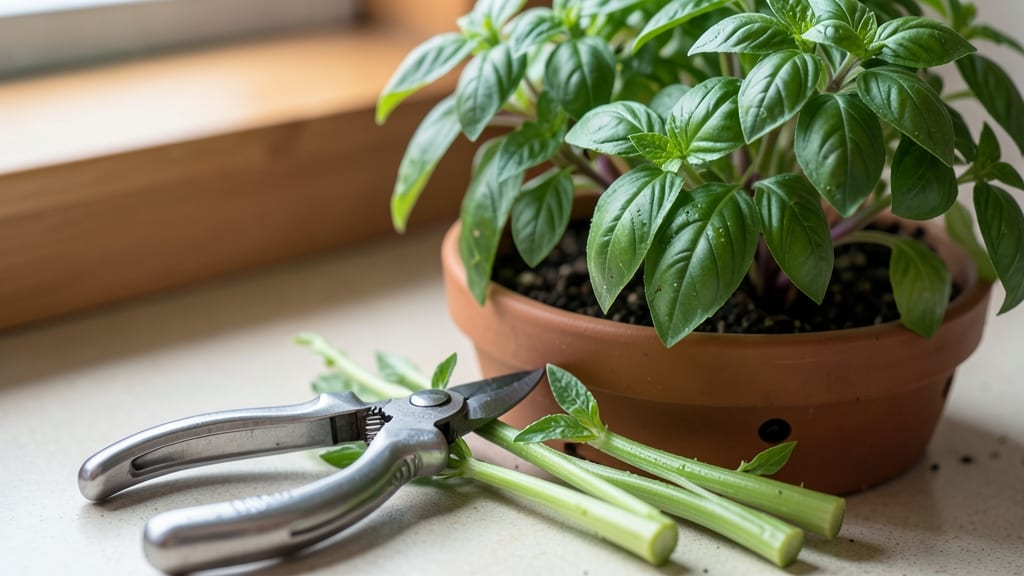
How to grow bushy basil starts with a simple secret: pinch those tips early. ✂️ I’ve killed more basil than I’d like to admit by ignoring this one step—until I learned how it forces plants to branch out instead of growing tall and leggy. The difference between a sad, sparse plant and a lush, productive bush comes down to timing and technique.
You’ll need just a few basics: a sunny spot (at least 6 hours of sunlight daily), well-draining potting mix, and a small container (even a 6-inch pot works for one plant). Water when the top inch of soil feels dry, but avoid soggy roots—basil hates wet feet.
The real magic happens when you start pinching: snip the top set of leaves just above a pair of lower leaves when the plant reaches 6 inches tall.
Within 2-3 weeks, you’ll see new branches sprouting from where you pinched, and those become future harvest points. Keep pruning regularly to encourage bushiness, and you’ll have nonstop harvests all season long.
The leaves stay tender, the plant stays compact, and you’ll never buy basil again—just imagine fresh pesto anytime you want!
This method works for containers, window boxes, or garden beds, and even thrives indoors near a sunny window. The key is consistency: pinch, prune, and repeat. Once you master it, you’ll wonder why you ever grew basil any other way.
📚 In This Guide
- What you need
- Instructions
- Tips and common mistakes
- Wrapping up and next steps
What you need
- ● Basil seeds or seedlings: Choose sweet basil, Genovese, or Thai basil. Start with 3-5 seeds or 2-3 healthy seedlings per pot.
- ● Containers: Use pots 6+ inches deep with drainage holes (1 plant per pot for bushiness). For garden beds, space plants 12-18 inches apart.
- ● Well-draining potting mix: Opt for a light, airy blend (e.g., 60% potting soil + 40% perlite or coconut coir). Avoid heavy clay soil.
- ● Sunlight: 6+ hours of direct sun daily (south-facing windows or full sun outdoors).
- ● Water: Keep soil consistently moist but not soggy (basil hates "wet feet").
- ● Fertilizer: A balanced liquid fertilizer (10-10-10 or 20-20-20) diluted to half-strength, applied every 2-3 weeks.
- ● Sharp pruning shears or scissors: Sterilized tools prevent disease. Clean with rubbing alcohol between cuts.
- ○ Gloves (optional): Protect your hands from sap or dirt.
- ● Grow lights: For indoor setups—LED full-spectrum bulbs (12+ hours/day).
- ● Mulch: Straw or shredded leaves to retain moisture and regulate soil temp.
- ● Cage or trellis: For varieties like Thai basil that grow tall (up to 2 feet).
- ● Compost or worm castings: Boost soil nutrients naturally.
- ● Spray bottle: For gentle watering on seedlings.
Step-by-step instructions for growing bushy basil
Here's the simple method I use to keep my basil lush and productive all season.
🌱 Step 1: Start with Healthy Seeds or Transplants
Basil thrives from seeds or young plants, but I always start with transplants for faster results. Choose 4-inch-tall seedlings with 4-6 true leaves—avoid leggy or yellowing plants. If starting from seed, sow at ¼-inch depth in warm soil (70-75°F) and expect sprouts in 7-14 days.
Use a 5-6 inch diameter pot per plant (or 12-inch container for 4 plants) with well-draining potting mix. Basil hates soggy roots, so add perlite or vermiculite to improve aeration. Water gently after planting to settle the soil without disturbing roots.
☀️ Step 2: Provide Bright, Indirect Light
Basil needs 6-8 hours of morning sun and 4-6 hours of afternoon shade to prevent leaf scorch. A south-facing window works, but watch for leaves turning pale or crispy—this means it's getting too much direct sun. If indoors, rotate the pot quarter-turn weekly so growth stays even.
Outdoors, place basil in a spot with dappled shade during peak afternoon hours. Too much sun causes bitter flavor and stunted growth. You'll know light is perfect when leaves stay deep green and new growth appears every 3-5 days.
💧 Step 3: Water Consistently at the Base
Keep soil evenly moist but never soggy. Water when the top inch feels dry, which is usually every 2-3 days depending on heat. I water at the base in the morning to avoid fungal issues—never let leaves stay wet overnight.
Yellowing lower leaves often mean overwatering. If this happens, let the soil dry out slightly before watering again. Basil is drought-tolerant once established, but young plants need consistent moisture to develop strong roots.
✂️ Step 4: Pinch and Prune for Bushiness
Here's where the magic happens: pinch off the top set of leaves when the plant reaches 6 inches tall. This forces energy into side branches, creating a fuller bush. Use clean scissors or fingers to remove just above a leaf node where new growth will emerge.
Continue pinching every 4-6 weeks throughout the growing season. When harvesting leaves, take only outer leaves to encourage new growth in the center. Never cut more than ⅓ of the plant at once—this stresses basil and reduces yields.
🌿 Step 5: Fertilize Lightly and Harvest Regularly
Use a balanced liquid fertilizer (10-10-10) diluted to half-strength every 4-6 weeks. Over-fertilizing causes rapid leaf growth at the expense of flavor. I skip fertilizer in late summer to prevent bitter taste before frost.
Harvest leaves frequently—this encourages bushier growth. Pick leaves in the morning when essential oils are strongest. You'll know you're doing it right when new leaves appear within 3-5 days of harvesting. Stop harvesting 4-6 weeks before first frost to let plants mature for overwintering.
Tips & tricks for growing bushy basil
Let me share the secrets I've learned after growing basil for years—these little tricks make all the difference between a few sad stems and a thriving bush.
The Light Factor: That 6-8 hours of morning sun is non-negotiable for flavor, but here's the trick: if you notice crispy edges, your basil is getting too much afternoon sun. Move it to a spot with dappled shade during peak hours (11 AM-3 PM). I've seen basil go from crispy to lush just by adjusting this one thing.
Pinching Technique: When you reach Step 4 and pinch those top leaves at 6 inches, here's what nobody tells you—use your fingers, not scissors, for the first few pinches. This gives you better control and prevents accidental damage to tender stems. I pinch just above the leaf node where new branches will sprout.
Soil Secrets: That well-draining potting mix is crucial, but I add a handful of worm castings to the soil before planting. It gives young plants a nutrient boost without overfeeding them. Plus, the castings improve soil structure so water drains perfectly—no soggy roots here!
Fertilizer Timing: The 4-6 week fertilizer schedule works, but I've found that if you notice new growth slowing down, it's time for a boost. Just remember—dilute that 10-10-10 fertilizer to half-strength! I always fertilize right after watering to prevent root burn from the concentrated nutrients.
Pro Tips for Grow Bushy Basil
- Let me share the secrets I've learned after growing basil for years—these little tricks make all the difference betwe...
- The Light Factor: That 6-8 hours of morning sun is non-negotiable for flavor, but here's the trick: if you notice cri...
- Pinching Technique: When you reach Step 4 and pinch those top leaves at 6 inches, here's what nobody tells you—use yo...
Frequently asked questions
Got questions about growing lush, bushy basil? You’re not alone!
Here are some of the most common concerns—and their easy fixes—to keep your basil thriving all season long.
How often should I pinch basil to keep it bushy?
Pinch basil every 4–6 weeks (or when stems grow 6+ inches tall) to encourage branching. Start with the top sets of leaves, then work your way down. Pro tip: If you’re harvesting leaves, pinch just above a leaf pair to avoid stunting growth.
How long does it take for basil to get bushy after pinching?
With proper care, you’ll see new growth within 2–3 weeks after pinching. Keep the plant in bright, indirect light (6+ hours daily) and water consistently to speed up regrowth. Patience pays off—bushy basil is worth the wait!
Why is my basil turning yellow or leggy after pruning?
Yellow leaves or leggy stems often mean overwatering, poor light, or nutrient deficiency. Let the soil dry slightly between waterings, move the plant to a sunnier spot, and fertilize lightly with a balanced liquid fertilizer (like 10-10-10). If roots are soggy, trim damaged leaves and repot in fresh, well-draining soil.
Can I grow bushy basil indoors without a sunny window?
Use a grow light (LED or fluorescent) 12–16 hours daily to mimic sunlight. Place the light 6–12 inches above the plant and adjust as it grows. A south-facing window (even with partial sun) can work too—just supplement with light if needed.
What’s the best way to revive a basil plant that’s stopped growing?
Start with these steps:
- Check roots: Gently remove the plant and trim any mushy roots (sign of rot).
- Prune aggressively: Cut back ⅓ of the plant to reduce stress and encourage new growth.
- Refresh soil: Repot in fresh, well-draining potting mix with a time-release fertilizer.
- Adjust care: Ensure it gets bright light and water only when the top inch of soil is dry.
Wrapping up and next steps
Growing lush, bushy basil is all about consistent care—pinching, pruning, and providing the right conditions to keep your plant thriving. With patience and a little practice, you’ll enjoy nonstop harvests of fragrant leaves for months! 🌿✨
Ready to take the next step? Start small—try a single pot on your windowsill or balcony, and soon you’ll be a basil-growing pro. Happy gardening!