
Watering
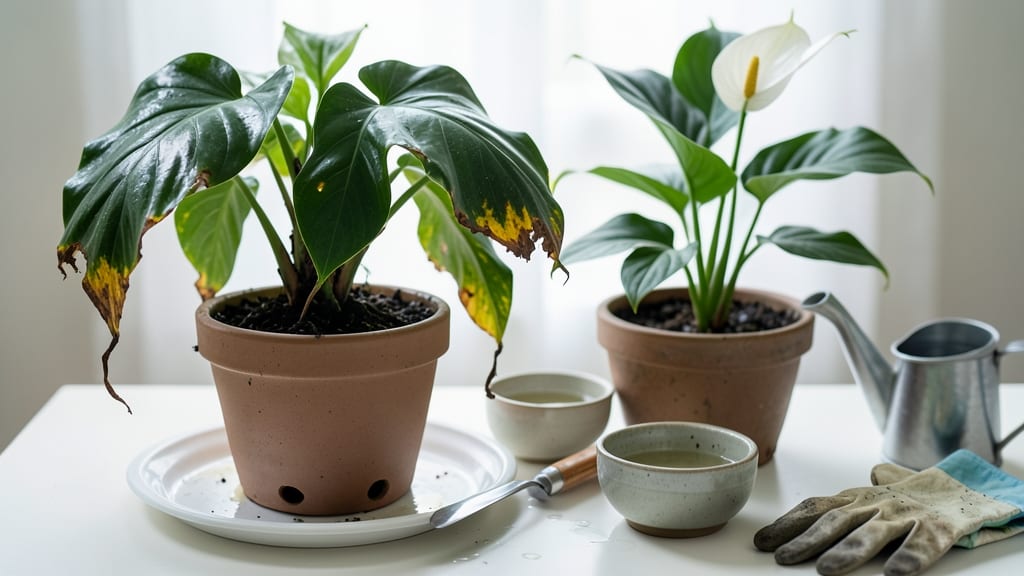
How to fix an overwatered peace lily—your drooping leaves aren’t a death sentence, they’re begging for a root rescue. 🌱 I’ve revived more peace lilies from overwatering than I’d like to admit, and the secret lies in three simple humidity tricks that work faster than you’d expect. The first sign of overwatering is yellow leaves and mushy stems, but don’t panic. Drain excess water immediately, then repot the plant in fresh, well-draining soil to give those roots room to breathe. Most people skip this step and wonder why their plant never recovers. Within a week, you’ll see new growth pushing through, and the leaves will perk up like they’re enjoying a spa day. The key is keeping humidity high—peace lilies love it between 40-60%, so misting or a pebble tray works wonders. This method works for both potted plants and those in humid climates. Let’s get those roots back in balance!
Root Problems Behind Overwatering
Peace lilies (Spathiphyllum) are stunning houseplants, but their roots are delicate—and when they’re drowning in excess water, it’s a recipe for disaster. Overwatering doesn’t happen by accident; it’s usually the result of a few key factors that disrupt the plant’s natural balance.
Understanding these causes is the first step to saving your leafy friend. Let’s dig into why your peace lily might be getting too much love (in the wrong way).
Peace lilies thrive in well-draining soil, but many pots—especially decorative or plastic ones—lack proper drainage holes. Without these, water pools at the bottom instead of draining away, creating a soggy, anaerobic environment. Here’s the science:
- Oxygen deprivation: Roots need oxygen to respire (breathe). When soil stays waterlogged, oxygen levels drop, suffocating the roots and triggering Pythium or Phytophthora fungi—common culprits in root rot.
- Nutrient lockout: Excess water washes away essential nutrients like nitrogen and phosphorus, starving the plant even as it sits in moisture.
- Salt buildup: Over time, minerals from tap water accumulate in the soil, creating a toxic brine that damages root cells.
Actionable fix: Repot your peace lily into a container with drainage holes (or drill them yourself!) and use a chunky, airy potting mix with perlite or orchid bark to improve aeration.
Peace lilies are tropical plants, but that doesn’t mean they love swimming. Many plant parents water on a schedule—like every Monday and Thursday—without checking soil moisture. This leads to a classic case of chronically wet roots. Here’s why it backfires:
- No room to breathe: Roots absorb water through osmosis, but if the soil never dries out, they can’t regulate moisture intake. This causes hydric stress, where cells swell and burst.
- Fungal feasts: Fungi like Rhizoctonia thrive in damp conditions, attacking roots and cutting off water/nutrient transport. Your plant wilts because it can’t access what’s already in the soil!
- Root suffocation: Compacted soil (common in small pots) traps water against roots, blocking gas exchange. Think of it like wearing a wet sock—uncomfortable and unhealthy.
Actionable fix: Stick your finger 1–2 inches into the soil before watering. If it’s damp, wait. If it’s dry, water thoroughly until it drains from the bottom. Pro tip: 💡 Use a moisture meter for precision!
Peace lilies are native to rainforests, where humidity hovers around 70–90%. In dry indoor air (often <30% humidity), they transpire faster—losing water through leaves—but their roots can’t keep up if the soil stays soggy. This creates a vicious cycle:
- Evaporative stress: Leaves release moisture to cool down, but roots can’t replenish it quickly enough in waterlogged soil. The plant wilts even though the soil is wet.
- Root decay accelerates: Low humidity weakens the plant’s defenses, making roots more vulnerable to pathogens. It’s like getting a sunburn while your immune system is already fighting a cold.
- Nutrient uptake stalls: Roots need oxygen to absorb nutrients. In humid but waterlogged soil, they’re forced to work harder, leading to physiological drought—a paradox where the plant can’t access water or food.
Actionable fix: Increase humidity with a pebble tray, humidifier, or misting (but avoid soggy leaves!). Pair this with well-draining soil to prevent root rot.
Not all potting mixes are created equal. Heavy, clay-based soils or those without organic matter (like pure garden soil) hold water like a sponge, choking roots. Here’s how it plays out:
- Poor aeration: Compacted soil blocks oxygen from reaching roots. Without O₂, roots switch to fermentation (a backup energy process), producing toxic ethanol and killing cells.
- Waterlogging: Dense soil repels water instead of absorbing it, creating pockets of stagnant moisture. Roots in these zones rot faster than in well-aerated mixes.
- Slow drainage: Fine particles (like sand without perlite) clog pores, trapping water. Even if you water lightly, the soil stays damp for days.
Actionable fix: Repot into a lightweight mix with:
- 50% peat or coco coir (for moisture retention)
- 30% perlite or pumice (for aeration)
- 20% orchid bark or worm castings (for structure)
Now that you know the root causes (pun intended), you’re ready to rescue your peace lily with the right fixes. Next up: how to diagnose the damage and revive those struggling roots!
Revive Your Peace Lily Now
Overwatering can feel like a death sentence for your peace lily, but don’t panic—most plants bounce back with the right care. The key is acting fast, diagnosing the root issue (literally and figuratively), and adjusting your routine.
Below, we break down practical fixes for the most common overwatering symptoms, paired with prevention tips to keep your plant thriving.
Cause: Root rot from soggy soil suffocates the plant, starving leaves of nutrients and oxygen.
How to Fix It:
- 🔥 Remove the plant from its pot and gently shake off excess soil to inspect the roots.
- 👨🍳 Trim the damage: Snip away black, mushy roots with clean scissors (healthy roots are firm and white).
- 🌡️ Disinfect the pot: Scrub it with a 1:10 hydrogen peroxide-water mix to kill fungus/bacteria.
- 🍄 Repot in fresh soil: Use a well-draining mix (add perlite or orchid bark to regular potting soil).
- ⏰ Wait before watering: Let the top 1–2 inches of soil dry out completely before adding water.
Prevention Tips:
- 💡 Use a moisture meter—water only when it reads dry (level 2–3).
- ✨ Choose pots with drainage holes (terracotta is ideal).
- 🎯 Water deeply but less often: Soak the soil until water drains from the bottom, then wait 1–2 weeks.
Cause: Overwatering + low humidity creates stress, leading to leaf scorch.
How to Fix It:
- 🥗 Prune damaged leaves at the base with sterilized scissors to redirect energy.
- 🌡️ Boost humidity: Place the pot on a tray of pebbles + water (keep leaves from touching water).
- 💦 Adjust watering: Let the top 3 inches of soil dry out between waterings.
- 🌿 Mist leaves lightly 2–3x/week (avoid soaking—peace lilies prefer damp air, not wet).
Prevention Tips:
- 🔥 Group plants together to create a microclimate (they love company!).
- 🌡️ Use a humidifier near the plant if your home is dry (aim for 40–60% humidity).
- ✨ Wipe leaves weekly with a damp cloth to remove dust (helps with transpiration).
Cause: Compacted soil or poor drainage traps excess moisture, halting root function.
How to Fix It:
- 🔪 Gently loosen the soil around roots if repotting isn’t needed (add perlite or coco coir).
- 🍳 Create a "drainage layer": Fill the bottom 1/3 of the pot with gravel or broken pottery.
- 🌱 Water only when necessary: Stick your finger 2 inches deep—if dry, water; if damp, wait.
- 🌿 Fertilize lightly: Use a balanced, diluted fertilizer (half-strength) every 6–8 weeks to revive growth.
Prevention Tips:
- 💡 Test your soil: If it stays wet for >48 hours after watering, improve drainage.
- 🎯 Rotate the pot monthly so all sides get light (uneven growth = stress).
- 🌡️ Avoid ice cube watering: Big chunks of ice can compact soil—stick to room-temp water.
If >50% of roots are mushy, your peace lily needs intensive care:
- 🧼 Soak roots in fungicide (like neem oil or hydrogen peroxide) for 10 minutes.
- 🌱 Repot in sterile, chunky soil (avoid garden soil—it’s too dense).
- 🌡️ Move to bright, indirect light (no direct sun—it stresses weak plants).
- 💦 Water sparingly: Use a spray bottle to mist soil until damp, then wait 10 days before full watering.
Pro Tip: 🌿 Propagate healthy stems while you revive the main plant—cut a stem with leaves, dip in rooting hormone, and place in water until roots form!
Remember: Peace lilies are resilient! With these fixes, you’ll see new growth in 4–6 weeks. The secret? Less water, more patience. 🌱✨
Frequently asked questions
How do I know if my peace lily is overwatered vs. underwatered?
Check the soil and leaves: Overwatered peace lilies have yellow, mushy leaves and black, smelly roots, while underwatered ones show crispy brown edges and dry, papery soil. Tap the pot—if it feels light, it’s likely dry. If it’s heavy and wet, you’ve overdone it.
Can I save a peace lily with completely black, rotten roots?
Yes, but you’ll need to act fast! Trim all black/mushy roots, then soak the remaining healthy roots in a 1:10 hydrogen peroxide-water mix for 10 minutes to kill fungus. Repot in fresh, chunky soil with perlite and water lightly—only when the top 2 inches feel dry.
Why does my peace lily wilt even when the soil is wet?
This is called physiological drought—the roots can’t absorb water due to root rot or compacted soil. Boost humidity with a pebble tray and let the soil dry out completely between waterings. If roots are severely damaged, prune the plant back to healthy stems and propagate new growth.
How often should I water my peace lily after fixing overwatering?
Wait until the top 2–3 inches of soil are completely dry (use your finger to test). Then water thoroughly until it drains from the bottom. In winter, reduce watering to every 2–3 weeks—peace lilies grow slower in cooler months and need less moisture.
What’s the best soil mix to prevent future overwatering?
Use a well-draining blend like 50% peat/coco coir, 30% perlite/pumice, and 20% orchid bark or worm castings. This combo improves aeration while retaining just enough moisture. Avoid garden soil—it compacts and holds too much water, suffocating roots.