
How To
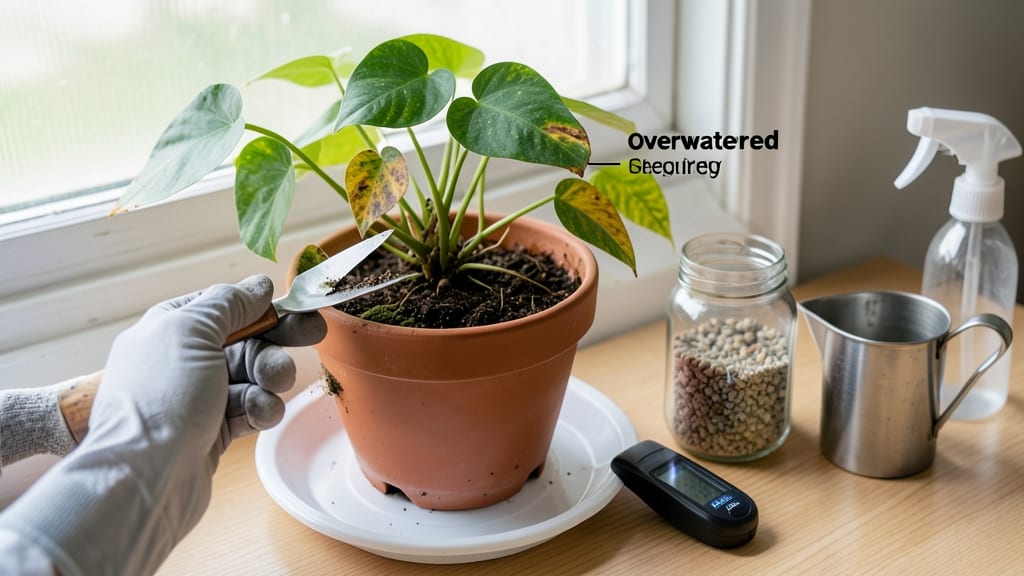
How to help an overwatered plant—its drooping leaves don’t mean it’s dead, just waterlogged. ✨ I've revived more plants from overwatering than I can count, and the secret is acting fast before roots suffocate. The good news? You can often turn things around in just a few days with the right approach.
Start by letting the soil dry out completely—this is where most gardeners mess up. Stick your finger an inch deep; if it's damp, wait another day.
Move the plant to a spot with bright, indirect light (no harsh sun yet) and trim any blackened leaves at the base with clean scissors. This might seem drastic, but it helps the plant focus energy on recovery.
Within a week, you should see new growth signaling the roots are healing. The key is consistency: adjust your watering schedule to match your plant's needs—most houseplants only need water when the top inch of soil feels dry.
Over time, you'll develop a rhythm that keeps your plants thriving without the guesswork.
Fair warning: some plants (like ferns or calatheas) are more sensitive to overwatering, so they may take longer to bounce back. But with patience and the right care, even the most soggy roots can come back to life. Here's how to keep it that way!
📚 In This Guide
- What you need
- Instructions
- Tips and common mistakes
- Wrapping up and next steps
What you need
- ● Well-draining potting mix: 1 bag (2-3 quarts) – Look for a blend labeled "well-draining" or "cactus/succulent mix" if your plant prefers drier soil.
- ● Clean, shallow container: 1 – Ensure it has drainage holes (or drill a few if needed).
- ● Perlite or pumice: ½ cup – Adds aeration to prevent future waterlogging.
- ● Spray bottle (with water): 1 – For gentle hydration after repotting.
- ● Pruning shears or scissors: 1 pair – Sterilize with rubbing alcohol to avoid infections.
- ● Rubbing alcohol (70% or higher): Small bottle – For sanitizing tools and containers.
- ● Newspaper or paper towels: 2-3 sheets – For drying roots and absorbing excess moisture.
- ○ Rooting hormone (optional but helpful): 1 small tube – Boosts regrowth for severely damaged roots.
- ● Hydrogen peroxide (3% solution): ¼ cup – Dilute with water (1:1) to clean roots and prevent rot.
- ● Fungicide (organic or chemical): 1 spray bottle – If roots show signs of mold or fungus.
- ● Humidity dome or plastic bag: 1 – Creates a mini greenhouse to speed up recovery.
- ● pH testing kit: 1 – Ensures your soil’s pH is ideal for your plant’s revival.
Step-by-Step instructions for reviving an overwatered plant
Here's how I turn mushy roots into healthy growth—no stress, just action.
🌱 Step 1: Stop Watering and Remove the Plant
First, quit watering immediately. Soggy soil suffocates roots, and you can't fix that by adding more water. Gently slide the plant from its pot, using your fingers to loosen the soil around the edges if it's stuck. You'll see the real problem now: black, mushy roots or soil that smells foul. That's root rot setting in.
Don't panic if the plant looks sad—this is the first step to saving it. Hold the root ball under lukewarm water for 10-15 minutes to rinse away excess salts and soil. This also helps you spot the worst damage. Healthy roots are firm and white; rotten ones are slimy and dark. Trim away any black or mushy roots with clean, sharp scissors. You're not being harsh—you're making room for new growth.
💧 Step 2: Refresh the Soil and Repot
Empty the old soil completely—don't reuse it. Even if it looks fine, it's likely compacted and waterlogged from overwatering. Fill the bottom 1 inch of the pot with a mix of 50% fresh potting soil and 50% perlite or coarse sand. This blend drains faster than regular soil, which is exactly what your plant needs now.
Place the plant in the pot and add more of the soil-perlite mix around the roots, pressing gently to secure it. Leave about ½ inch of space between the soil and the pot's rim—this prevents overfilling when you water later. If the plant feels wobbly, that's okay; it'll stabilize as new roots grow. Water lightly just once to settle the soil, then stop. No soaking!
☀️ Step 3: Adjust Care and Monitor Recovery
Move the plant to a spot with bright, indirect light—no direct sun yet. Overwatered plants are sensitive to heat stress while they recover. Check the soil every 2-3 days by sticking your finger 1 inch deep. Water only when the soil feels completely dry to the touch. You'll be surprised how little water the plant needs now.
Watch for new growth in 2-4 weeks. You'll see it first as tiny new leaves near the top of the plant or along the stems. This is your plant telling you, "I'm back!" If you see yellow leaves, don't pull them—let the plant focus its energy on new growth. Once the plant shows signs of recovery, you can gradually return to your normal watering routine, but keep an eye on it for another month.
Tips & tricks for reviving overwatered plants
Real talk: I've lost more plants to soggy soil than anything else. Here's what nobody tells you about bringing them back to life.
Root Inspection Tip: During the 10-15 minute water rinse in Step 1, look for the "three R's" of healthy roots: Rigid (firm texture), Radiant (white or light tan color), and Resilient (springy when gently squeezed). Any roots that feel mushy or smell foul need to go—trim them back to where you see that firm white tissue. This isn't about being gentle; it's about giving your plant a clean slate.
Soil Mix Secret: In Step 2, don't skimp on the perlite or coarse sand—this isn't optional. I've seen people use regular potting soil and wonder why their plant still struggles. The 50/50 mix with perlite creates air pockets that prevent future waterlogging. Pro tip: If you don't have perlite, crushed gravel works too, but rinse it thoroughly first to remove dust.
Light Position Strategy: The bright, indirect light in Step 3 is your plant's recovery room. Direct sun can stress already weakened plants, while too little light means they can't photosynthesize to rebuild. I place mine near an east-facing window where they get morning sun but are protected from harsh afternoon rays. If you don't have good natural light, a grow light on a timer for 12 hours a day works wonders.
Recovery Timeline: Those 2-4 weeks for new growth can feel like forever, but trust me on this: patience is key. I've seen plants that looked completely dead sprout brand new leaves after just 3 weeks of proper care. Mark your calendar when you repot—this gives you a clear timeline to track progress. And remember, yellow leaves are normal during recovery; they're just redirecting nutrients to new growth.
Pro Tips for Help Overwatered Plant
- Real talk: I've lost more plants to soggy soil than anything else.
- Root Inspection Tip: During the 10-15 minute water rinse in Step 1, look for the "three R's" of healthy roots: Rigid (firm texture), Radiant (white or light tan color), and Resilient (springy when gently squeezed).
- Soil Mix Secret: In Step 2, don't skimp on the perlite or coarse sand—this isn't optional.
Frequently asked questions
Got questions about saving your soggy, sad plant?
You’re not alone—overwatering is a common mistake, but the good news is, most plants can bounce back with the right care. Below, we’ve answered the most pressing questions to help you revive your leafy friend faster.
How do I know if my plant is overwatered vs. underwatered?
Check the soil first—overwatered plants often have soggy, mushy roots and yellowing leaves that feel limp or wilted. The pot may also feel heavy due to excess water. Underwatered plants, on the other hand, have dry, crispy brown edges and soil that pulls away from the pot. Stick your finger 1-2 inches into the soil: if it’s damp, hold off on watering!
How long does it take for an overwatered plant to recover?
Recovery time varies by plant type, but most show improvement within 3–7 days if you adjust care immediately. Root rot (a common overwatering issue) can take 2–4 weeks to fully heal, depending on how severe it is. Be patient—trim dead leaves and avoid watering until the soil dries out completely.
Can I use hydrogen peroxide to help my overwatered plant?
Yes! Mix 1 tablespoon of 3% hydrogen peroxide per quart of water to help oxygenate roots and prevent fungal growth. Water the plant at the soil level (not the leaves) every 2–3 days until the roots recover. Avoid overdoing it—this is a short-term fix, not a replacement for proper drainage.
What if my plant’s roots are completely black and mushy?
Don’t panic—this is a sign of advanced root rot, but your plant can still recover! Gently remove it from the pot, trim away all black/mushy roots with sterilized scissors, and repot in fresh, well-draining soil. Reduce watering to once every 10–14 days until new growth appears.
Are there plants that are more forgiving if overwatered?
Succulents and cacti bounce back fastest (though they hate moisture), while snake plants, ZZ plants, and pothos are also resilient. Avoid tropical plants like ferns or calatheas—they’re high-maintenance and rot quickly. Always match your plant’s natural habitat to its care needs!
Wrapping up and next steps
Reviving an overwatered plant isn’t just possible—it’s a rewarding challenge that strengthens your green thumb! 🌱 By acting quickly with proper drainage, root inspection, and a consistent care routine, you’ve already taken the first steps toward bringing your plant back to life.
Remember, patience and observation are your best tools; trust the process, and soon, you’ll see those leaves perking up again.
Ready to put your new skills into action? Start by checking your plant’s progress daily and adjust your watering habits to match its needs. Every small effort counts—your plant (and future plants!) will thank you. Happy gardening! 🌿