
How To
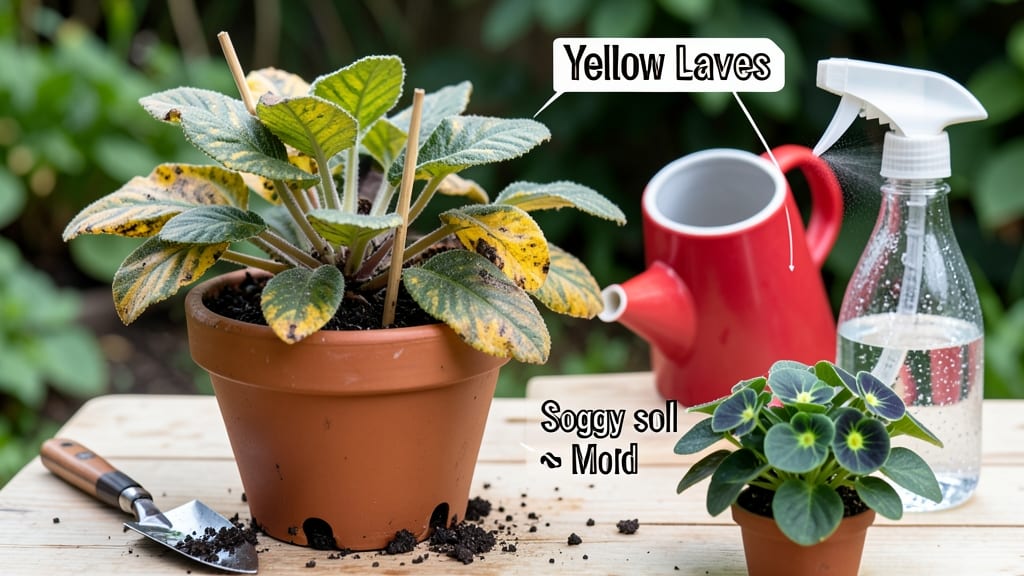
How to fix an overwatered African violet starts with stopping the water. 💧 The moment you notice yellow leaves or mushy stems, pull the plant from its pot—this isn’t a drill. Roots should smell earthy, not rotten. If they’re black and slimy, we’re dealing with root rot, and time is critical. The good news? With quick action, you can revive it in just 48 hours—no fancy tools needed.
First, trim the damage like you’re giving your plant a fresh haircut. Snip off yellow leaves and blackened roots with clean scissors, leaving only firm, white roots intact. Then, repot into a container with drainage holes using fresh, well-draining soil.
Place it in bright, indirect light (no harsh sun yet) and let the soil dry out completely before watering again. This isn’t just about saving the plant—it’s about teaching it new habits.
Within 24 hours, you’ll see the difference: leaves perk up, and new growth signals the rot is fading. Long-term, adjust your watering—African violets hate soggy soil. Stick your finger in the soil before watering; if it’s damp, wait.
Use a pot with drainage holes and soil that dries out between waterings. Trust me, this method works—even for my famously overwatered violets.
Now, here’s the secret weapon: a moisture meter. It takes the guesswork out of watering forever. Place it in the soil, and when it reads dry, water lightly. Your violet will thrive, blooming like it’s never been neglected. And next time, remember: these plants prefer thirsty over soggy—always.
Root Causes of Overwatered African Violets
African violets are stunning houseplants, but they’re surprisingly sensitive to moisture. When their roots sit in soggy soil for too long, the plant struggles to thrive—or even survive. Understanding why this happens is the first step to preventing it. Here’s a breakdown of the key culprits:
---
💡 The silent killer of happy African violets.
African violets hate waterlogged roots because their native habitat in East Africa features well-draining volcanic soil. When planted in containers or soil that doesn’t allow excess water to escape, roots suffocate from a lack of oxygen. Here’s how it breaks down:
- Compacted or heavy soil (like garden soil or clay) traps water instead of letting it drain. African violets thrive in airy, organic mixes with perlite, vermiculite, or sand. - Small or shallow pots without drainage holes create a water trap.
Without an exit route, water pools at the bottom, drowning roots. - Over-potting with too much soil can also lead to stagnant moisture, especially if the pot lacks drainage.
Pro Tip: 🌡️ Always use pots with drainage holes and a soil mix labeled for African violets (or DIY with 50% peat moss, 30% perlite, and 20% vermiculite).
---
💦 More water ≠ more love.
African violets are semi-succulents, meaning they store some moisture in their leaves and stems—but they still need balance. Common watering mistakes include:
- Watering on a schedule (e.g., every Tuesday) instead of checking soil moisture. Stick your finger 1 inch deep—if it’s damp, wait. - Bottom-watering incorrectly. While this method is great for avoiding leaf rot, leaving the plant sitting in a saucer of water for hours (or overnight) can lead to root rot. - Using ice cubes or cold water. Sudden temperature shocks stress the roots, making them more susceptible to fungal infections in waterlogged soil.
Pro Tip: ✨ Water only when the top inch of soil feels dry, and always use room-temperature water to avoid shocking the roots.
---
🌡️ Too much of a good thing can backfire.
African violets love moderate humidity (40-60%), but if the air is too humid (like in a steamy bathroom or greenhouse) and the soil stays wet, fungal pathogens like Phytophthora or Pythium thrive.
Combine that with: - Cool temperatures (below 60°F) slowing root activity, or - Hot, stagnant air (like near a window in summer) trapping moisture,
and you’ve created a perfect storm for root rot.
Pro Tip: 🔥 If your home is humid, reduce watering frequency and ensure good airflow (but avoid drafts).
---
🦠 When water invites unwelcome guests.
Soggy soil is an open invitation for root-rotting fungi (Rhizoctonia, Fusarium) or bacteria (Erwinia).
These pathogens: - Thrive in anaerobic (oxygen-poor) conditions, which waterlogged soil creates. - Block nutrient uptake, causing yellowing leaves even if you water less. - Spread quickly if not caught early—infected roots turn mushy, black, or smell foul.
Pro Tip: 🎯 If you suspect infection, sterilize tools with rubbing alcohol and repot in fresh, sterile soil to break the cycle.
--- 🌱 When roots can’t breathe.
Over time, African violet roots can become crowded in small pots or damaged from past overwatering. When roots are: - Tangled and circling (root-bound), they struggle to absorb water and oxygen efficiently. - Physically injured (from past rot or rough handling), they’re more vulnerable to new infections in wet soil.
Pro Tip: 💡 Gently loosen roots during repotting and trim any black/mushy sections with clean scissors to encourage healthy regrowth.
--- Key Takeaway: Overwatering isn’t just about how much you water—it’s about drainage, environment, and root health. Once you identify the root cause (pun intended), fixing it becomes much easier! 🌿
How to Fix It Fast
Now that you’ve identified the signs of overwatering in your African violet, it’s time to take action—before the damage becomes permanent. The good news? With the right steps, you can often revive your plant within 48 hours (or even sooner!).
Below are targeted solutions for each common cause of overwatering, plus prevention tips to keep your violet thriving.
---
Problem: Too much moisture in the soil suffocates roots, leading to rot.
Fix It: 1. 🔥 Remove the Plant Gently Carefully lift your African violet from its pot to inspect the roots. If the soil is compacted or feels like a wet sponge, it’s time for a refresh.
2. 🍳 Drain Excess Water Place the pot in a shallow tray or sink and let it drain for 10–15 minutes. If water pools at the bottom, tip the pot sideways to spill out the excess.
3. 👨🍳 Repot in Fresh, Well-Draining Mix - Use a terracotta pot (if possible) to help wick away moisture. - Fill the bottom ¼ with perlite or orchid bark for aeration. - Replace the old soil with a light, chunky African violet mix (or add perlite to regular potting soil). - Pro Tip: 💡 Avoid peat-heavy mixes—they hold too much water!
4. ⏰ Wait Before Watering Again Stick your finger 1 inch deep into the soil. If it’s dry, water lightly—only when the top inch feels dry. If it’s still damp, wait 24–48 hours before checking again.
---
Problem: Root rot has set in, and the plant is struggling to absorb nutrients.
Fix It: 1. 🔪 Trim the Damaged Roots - Rinse the roots under lukewarm water to remove old soil. - Use sterilized scissors or pruning shears to cut away any black, mushy, or slimy roots. - Keep only firm, white or light tan roots—these are healthy!
2. 🌡️ Let Roots Dry Out - Lay the plant on a paper towel (not in water) and let it air-dry for 1–2 hours. - This prevents further rot while you prep a new home.
3. 🥘 Repot in a Clean, Sterile Mix - Use a smaller pot (roots need less space to dry faster). - Fill with a 50/50 mix of African violet soil and perlite/pumice. - Plant at the same depth as before—don’t bury the crown.
4. ✨ Adjust Watering Forever - Water only when the top ½ inch of soil is dry (use a moisture meter if unsure). - Bottom-watering (placing the pot in a tray of water for 10 mins) reduces overwatering risks.
---
Problem: Overwatering stresses the plant, causing leaves to wilt or turn yellow.
Fix It: 1. 🌿 Prune Unhealthy Leaves - Snip off yellow, mushy, or brown leaves at the base with clean scissors. - Healthy leaves should be deep green and firm.
2. 💨 Improve Airflow - Move your violet to a bright, indirect spot (no direct sun yet—it’s still recovering). - Ensure the area has gentle airflow (a small fan on low can help).
3. 📊 Fertilize Lightly (If Needed) - Wait 1–2 weeks before fertilizing. - Use a diluted, balanced African violet fertilizer (½ strength) to rebuild strength.
4. 🎯 Monitor for Recovery - New leaves should appear in 2–4 weeks. If not, check for pests or nutrient deficiencies (like lack of magnesium).
---
- ⏳ Water Less Frequently – African violets prefer dry spells. Water every 7–10 days (adjust for humidity). - 🏺 Use the Right Pot – Terracotta or fabric pots breathe better than plastic. - 🌡️ Check Soil Temp – Cold water can shock roots.
Use room-temperature water. - 🌱 Rotate Your Plant – Ensures even light exposure and prevents one-sided stress. - 💡 Set Reminders – Overwatering often happens from forgetfulness. Use a phone alarm or smart plant sensor.
--- Final Thought: 🌟 Most overwatered African violets bounce back with quick action! Stay patient, adjust your routine, and your plant will thank you with vibrant blooms.
Frequently asked questions
How do I know if my African violet has root rot from overwatering?
Check the roots—healthy ones are firm and white or light tan. If they're black, mushy, or smell foul, you've got root rot. Also look for yellow leaves, wilting stems, or soil that stays soggy for days. These are classic signs your violet needs a root rescue!
Can I save an African violet if the stems are completely mushy?
It depends on how much healthy root is left. If you see any firm white roots, trim the mushy stems and repot in fresh, dry soil. If there's no healthy root, the plant is likely beyond saving—but you can propagate healthy leaves if available. Prevention is key for future plants!
What's the best soil mix to prevent future overwatering?
Use a light, airy mix designed for African violets—typically 50% peat moss, 30% perlite, and 20% vermiculite. This combo drains well while holding enough moisture. Avoid garden soil or mixes with high clay content, as they trap water and suffocate roots.
How often should I water my African violet after fixing overwatering?
Wait until the top inch of soil is completely dry—usually every 7-10 days in normal conditions. Use the finger test: stick your finger in the soil before watering. If it feels damp, wait another day. Bottom-watering (placing the pot in a tray of water for 10 minutes) helps too!
Will my African violet bloom again after overwatering damage?
Yes, but give it time to recover first! Once you've fixed the root issues and adjusted care, new growth should appear in 2-4 weeks. Blooms typically return after the plant establishes healthy roots—often within 6-8 weeks of proper care. Keep it in bright, indirect light and avoid fertilizing until new leaves form.