
How To
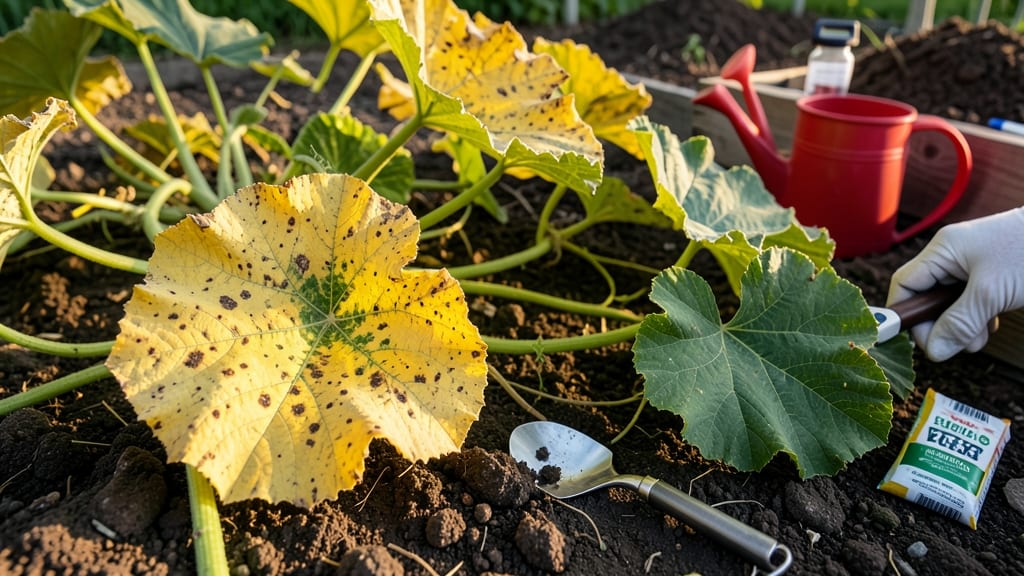
How to fix yellow pumpkin leaves doesn’t mean your harvest is doomed—just that it’s time to step in. 🌱 I’ve nursed back more pumpkin vines than I can count, and the key is pinpointing the exact problem before it spreads. Overwatering, nutrient deficiencies, or even hidden pests can turn lush foliage into a sad shade of yellow, but each fix is simple once you know what to look for.
The first step is diagnosing: check the soil moisture, inspect undersides of leaves for pests, and look for brown spots or curled edges. Most yellowing stems from overwatering or nitrogen deficiency—both fixable without harsh chemicals.
My go-to remedy? A balanced organic fertilizer and adjusting watering to once every 2-3 days (unless it’s scorching hot).
Within 5-7 days, you’ll see new green growth pushing through, and the vines will bounce back stronger than before. The secret is acting fast—yellow leaves left unchecked can stunt fruit production or invite disease. This method works for squash, cucumbers, and melons too.
For urgent cases, a quick foliar spray with diluted seaweed extract gives plants a 24-hour nutrient boost while you tackle the root cause. Prevention? Mulch heavily to retain moisture, rotate crops yearly, and watch for early signs of stress—your pumpkins will thank you at harvest time.
Root causes of yellowing pumpkin leaves
Yellowing pumpkin leaves aren’t just a cosmetic issue—they’re your plant’s way of signaling distress. Understanding the why behind the discoloration is the first step to saving your vines. Below, we break down the most common culprits, complete with scientific explanations and actionable clues to help you diagnose the problem accurately.
Pumpkins are heavy feeders, and when their nutritional needs aren’t met, leaves turn yellow as a warning sign. Here’s what’s likely lacking—and how to spot it:
- 🌱 Nitrogen Deficiency (Most Common) - Symptoms: Younger leaves turn pale yellow or white while older leaves stay green. Stunted growth and weak vines follow. - Why it happens: Nitrogen is essential for chlorophyll production.
If your soil lacks organic matter or you haven’t fertilized recently, your pumpkins can’t synthesize enough of this vital pigment. - Actionable clue: Check the leaf veins. If they stay green while the tissue between them yellows, nitrogen is the suspect.
- 💧 Magnesium Deficiency (Interveinal Chlorosis) - Symptoms: Yellowing starts between the veins of older leaves first (unlike nitrogen, which hits young leaves). Brown patches or crispy edges may appear later. - Why it happens: Magnesium is a central atom in chlorophyll.
Overwatering, acidic soil (pH < 6.0), or poor soil structure can lock it out of plant roots. - Actionable clue: Test your soil’s pH. If it’s below 6.5, magnesium becomes less available—even if it’s present.
- 🍃 Iron Deficiency (Yellowing with Green Veins) - Symptoms: New leaves develop bright yellow areas while veins remain dark green.
Growth slows, and leaves may cup upward. - Why it happens: Iron is immobile in plants, meaning new leaves show symptoms first. Alkaline soil (pH > 7.0) or high phosphorus levels block iron uptake, even if the soil has plenty. - Actionable clue: If your soil is sandy or well-drained, iron leaches away quickly.
Amend with chelated iron or compost.
- 🌿 Manganese or Zinc Deficiency (Rare but Tricky) - Symptoms: Yellowing with distorted or stunted growth, often on younger leaves. Manganese deficiency may cause brown “speckles” on leaves. - Why it happens: These micronutrients are often tied up in cold, wet, or alkaline soils.
Overuse of lime can exacerbate the problem. - Actionable clue: If yellowing is paired with puckered leaves, manganese or zinc could be the issue.
Pumpkins hate “wet feet.” When roots sit in soggy soil, they suffocate, leading to yellow leaves and other red flags.
- 💦 Root Rot (Pythium or Phytophthora) - Symptoms: Yellowing starts at the bottom of the plant and spreads upward. Leaves may wilt even when soil is wet. Roots appear black, mushy, and smelly. - Why it happens: Pumpkins need well-drained soil.
Compacted clay, container gardening without drainage holes, or heavy rains create anaerobic conditions, inviting fungal pathogens. - Actionable clue: Gently tug on the plant. If it pulls out easily with little resistance, roots are rotting.
- 🌧️ Waterlogged Soil (Oxygen Starvation) - Symptoms: General yellowing with blue-green or purple undertones (a sign of stress). Growth stalls, and leaves feel limp. - Why it happens: Roots need oxygen.
Waterlogged soil forces them to “hold their breath,” halting nutrient uptake and chlorophyll production. - Actionable clue: Stick your finger 2 inches into the soil. If it’s damp after 24 hours, drainage is the issue.
Pests don’t just eat leaves—they disrupt the plant’s ability to photosynthesize, leading to yellowing.
- 🐛 Squash Vine Borers (Most Destructive) - Symptoms: Leaves yellow suddenly, then wilt and die. Sawdust-like frass near the stem. Chewing sounds at dawn/dusk. - Why it happens: Larvae burrow into stems, cutting off water and nutrient flow.
Adults lay eggs on leaves, which hatch into destructive caterpillars. - Actionable clue: Split open a stem. If you see white grubs, it’s a borer infestation.
- 🐜 Spider Mites or Aphids (Sap Suckers) - Symptoms: Yellowing speckled with tiny webs (mites) or sticky residue (aphids). Leaves may curl or drop prematurely. - Why it happens: These pests siphon sap, starving leaves of chlorophyll.
Hot, dry weather worsens outbreaks. - Actionable clue: Hold a white sheet under the plant. Shake it gently—if tiny bugs rain down, you’ve got a pest problem.
Yellowing can be a symptom of infectious diseases, especially in humid or crowded gardens.
- 🍄 Powdery Mildew (White Fuzzy Coating) - Symptoms: Yellowing leaves with a white, powdery film on the top surface. Leaves may crisp and drop. - Why it happens: Fungal spores thrive in high humidity and poor airflow.
Overhead watering spreads spores like wildfire. - Actionable clue: Check the underside of leaves. If you see yellow spots with white dust, it’s mildew.
- 🌡️ Bacterial Leaf Spot (Oozing Lesions) - Symptoms: Yellow halo-like rings with water-soaked spots that turn brown. Leaves may develop yellow borders. - Why it happens: Bacteria like Xanthomonas spread via splashing water or contaminated tools.
Warm, wet conditions accelerate growth. - Actionable clue: Squeeze a yellow spot. If a yellowish fluid oozes out, it’s bacterial.
Even the healthiest pumpkins can yellow if their environment isn’t ideal.
- ☀️ Heat Stress or Sunburn - Symptoms: Scorched yellow or white patches on leaves exposed to direct sun. Leaves may feel dry or papery. - Why it happens: Pumpkins need partial shade during peak afternoon heat (especially in hot climates).
Intensive sunlight breaks down chlorophyll. - Actionable clue: Check for bleached or crispy edges—a classic sign of sun damage.
- ❄️ Cold or Frost Damage - Symptoms: Yellowing with blackened or mushy spots. Leaves may wilt and collapse. - Why it happens: Pumpkins are warm-season crops.
Temperatures below 50°F (10°C) stunt growth, and frost kills cells instantly. - Actionable clue: If yellowing follows a cold snap, frost is the likely culprit.
- 🌑 Insufficient Light - Symptoms: Pale yellow leaves with long, leggy stems. Growth slows dramatically. - Why it happens: Pumpkins need 6–8 hours of sunlight daily.
Shady spots lead to weak, nutrient-starved vines. - Actionable clue: If leaves are thin and sparse, your pumpkins aren’t getting enough light.
Here’s a twist: too much copper can cause yellowing, especially in organic gardens.
- Why it happens: Copper is a natural fungicide in some sprays (like Bordeaux mixture), but excessive use (or copper-rich soil amendments) can become toxic.
It disrupts electron transport in photosynthesis, leading to chlorosis. - Actionable clue: If you’ve used copper-based sprays frequently and see yellowing with green veins, copper toxicity might be the issue. Flush the soil with water to dilute concentrations.
Fix Yellowing Pumpkin Leaves Fast
Reviving your pumpkin plants starts with pinpointing the cause—and acting quickly. Below is a practical, step-by-step guide to diagnosing and treating yellow pumpkin leaves, whether the issue is nutrient deficiency, disease, pests, or environmental stress.
Each solution is designed to be easy to implement, even for beginner gardeners, with prevention tips to keep your vines lush and productive.
Yellowing leaves often signal a lack of essential nutrients. Here’s how to diagnose and correct them:
🔥 Correct Iron or Chlorosis (Yellow Between Veins)
- Why it happens: Poor soil drainage, high pH, or iron deficiency (common in sandy or alkaline soils).
- How to fix it:
- 🍳 Apply chelated iron: Sprinkle iron sulfate or iron chelate around the base of the plant (follow package instructions).
- 👨🍳 Lower soil pH: Mix sulfur or peat moss into the soil to acidify it slightly (aim for pH 6.0–6.8).
- 🥘 Improve drainage: Amend heavy clay soil with compost or perlite to prevent waterlogging.
- 💡 Pro Tip: Use liquid seaweed extract (rich in iron and growth hormones) as a foliar spray for faster results.
🌡️ Address Nitrogen or Magnesium Lack (Yellowing Edges or Older Leaves)
- Why it happens: Overwatering, poor soil fertility, or leaching of nutrients.
- How to fix it:
- 📊 Boost nitrogen: Feed with blood meal, fish emulsion, or compost tea (high in nitrogen).
- ✨ Fix magnesium deficiency (yellow patches between veins): Sprinkle Epsom salt (magnesium sulfate) around the base (1 tbsp per gallon of water, applied weekly).
- 🎯 Prevent leaching: Mulch with straw or grass clippings to retain moisture and nutrients.
If yellowing is paired with spots, mold, or slimy stems, disease may be the culprit.
🍄 Combat Powdery Mildew or Downy Mildew
- Why it happens: High humidity, poor airflow, or overcrowded plants.
- How to fix it:
- 🔪 Prune infected leaves and destroy them (do not compost).
- 🥘 Apply neem oil or baking soda spray:
- Mix 1 tsp baking soda + 1 tbsp vegetable oil + 1 tsp dish soap in 1 quart water.
Spray every 7–10 days. - ⏰ Improve airflow: Space plants 3–4 feet apart and avoid overhead watering.
💀 Stop Bacterial Leaf Spot or Blight
- Why it happens: Wet foliage, contaminated tools, or poor sanitation.
- How to fix it:
- 🍳 Remove and dispose of infected leaves (burn or trash, not compost).
- 👨🍳 Use copper-free fungicide: Try hydrogen peroxide (3%) as a spray (1:1 with water) or organic copper fungicide alternatives like serenade garden spray.
- 🥘 Sterilize tools: Clean pruners with rubbing alcohol between cuts.
Pests like cucumber beetles, aphids, or spider mites can drain nutrients, causing yellowing.
🐞 Get Rid of Sap-Sucking Pests (Aphids, Spider Mites)
- Why it happens: Weak plants attract pests; they suck sap, causing leaves to yellow and curl.
- How to fix it:
- 🔪 Blast off pests: Spray plants with strong water jet (early morning).
- 🍳 Use insecticidal soap or neem oil: Mix 2 tbsp neem oil + 1 tsp mild soap per gallon of water.
Spray every 5–7 days. - 💡 Pro Tip: Introduce ladybugs or lacewings (natural predators) to your garden.
🐞 Stop Cucumber Beetles (Holes in Leaves + Wilting Vines)
- Why it happens: These striped beetles transmit bacterial wilt while feeding.
- How to fix it:
- 🥘 Handpick beetles early in the day (drop them in soapy water).
- 🍄 Use row covers to prevent adults from laying eggs.
- 🎯 Plant trap crops: Grow radishes or nasturtiums nearby to distract beetles.
Yellowing can also stem from environmental factors—here’s how to fix them:
💦 Fix Overwatering or Poor Drainage (Mushy Leaves, Yellowing Bottom Leaves)
- Why it happens: Waterlogged roots drown plants, preventing nutrient uptake.
- How to fix it:
- ⏰ Let soil dry between waterings: Stick your finger 1–2 inches deep—water only if dry.
- 🥘 Improve drainage: Add gravel or sand to heavy soil or plant in raised beds.
- 💡 Pro Tip: Use drip irrigation instead of overhead watering to keep foliage dry.
☀️ Prevent Sunburn or Heat Stress (Scorched Yellow Edges)
- Why it happens: Intense afternoon sun or sudden heat waves can bleach leaves.
- How to fix it:
- 🍳 Provide shade cloth: Use 30–50% shade fabric during peak sun (10 AM–4 PM).
- 👨🍳 Mulch heavily: Apply straw or wood chips to retain moisture and cool roots.
- 🥘 Water deeply in the morning: Aim for 1–2 inches per week (avoid evening watering).
Once your plants recover, prevent future yellowing with these long-term strategies:
| Problem | Prevention Tip |
|---|---|
| Nutrient deficiencies | Test soil every 2–3 years and amend with compost or balanced fertilizer (10-10-10). |
| Fungal diseases | Rotate crops (avoid planting cucurbits in the same spot yearly). |
| Pest outbreaks | Interplant with herbs (basil, marigolds) to repel pests. |
| Overwatering | Use moisture meters to track soil dampness accurately. |
| Poor airflow | Train vines on trellises to reduce humidity near leaves. |
Final Note: Most yellowing can be reversed in 1–2 weeks with the right care. Monitor your plants daily, and don’t hesitate to prune severely damaged leaves to redirect energy to healthy growth. Happy gardening! 🎃🌿
Frequently asked questions
Why do pumpkin leaves turn yellow first on the edges?
Edge yellowing usually signals magnesium deficiency or overwatering. Magnesium is crucial for chlorophyll production, and when it's lacking (often in acidic or waterlogged soils), leaves develop yellow patches between veins first. Check if your soil stays damp for more than 24 hours—this can also cause stress that shows as edge yellowing.
Can I use Epsom salt to fix yellow pumpkin leaves?
Yes! For magnesium deficiency, mix 1 tablespoon of Epsom salt in 1 gallon of water and apply it to the soil around your pumpkin plants. Repeat weekly until you see new green growth. This works best when combined with proper watering—never apply it to soggy soil.
What’s the fastest way to revive yellow leaves from overwatering?
Stop watering immediately and let the soil dry out completely. For 1-2 weeks, only water when the top 2 inches of soil feel dry. Improve drainage by adding compost or perlite to heavy soil. If roots are already rotting, trim away mushy sections and replant in fresh, well-draining soil.
Will my pumpkins still produce fruit if leaves are yellow?
It depends on the cause! If yellowing is from nutrient deficiency or pests, your plant can often recover and still produce fruit. However, severe disease (like bacterial wilt) or root rot may kill the vine before fruiting. Act fast—correcting the issue within 7 days gives your pumpkins the best chance.
How do I know if yellow leaves are from pests vs. disease?
Check for these clues: Pests often leave tiny webs (mites), holes (beetles), or sticky residue (aphids). Diseases usually show as spots with powdery mold (mildew) or oozing lesions (bacterial). Shake your plant over white paper—if bugs fall out, it’s pests. If not, inspect leaves for fungal growth.