
Tools
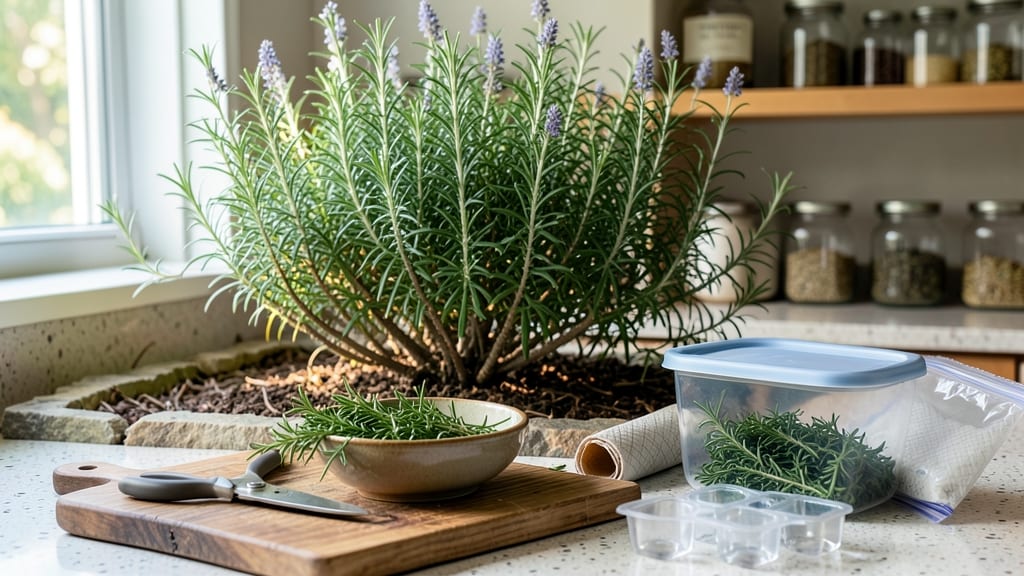
How to freeze rosemary from the garden turns summer harvests into winter flavor gold. ✨ The key? Harvesting at peak freshness—just before flowering—when the needles pack the most aromatic punch. I’ve frozen rosemary three different ways, and the chopped-and-bagged method keeps the flavor brightest for soups and roasts.
You’ll need fresh sprigs, a sharp knife, a baking sheet, and freezer bags—no fancy equipment. First, trim the woody stems, then spread sprigs on a tray to freeze solid (about 2 hours).
This prevents clumping when you bag them. For chopped rosemary, pulse frozen sprigs in a food processor until fine, then store in airtight containers.
By winter, you’ll have rosemary that smells like summer—perfect for sprinkling over roasted meats or infusing olive oil. The flavor stays vibrant for up to a year, and you’ll never buy dried rosemary again. Just avoid freezing rosemary with stems still attached; they turn woody and bitter.
Pro tip: Label your bags with the harvest date. Use the oldest batches first, and you’ll always have fresh-tasting rosemary ready for cooking. This method works for other herbs too—thyme, oregano, and sage freeze beautifully the same way.
📚 In This Guide
- What you need
- Instructions
- Tips and common mistakes
- Wrapping up and next steps
What you need
- ● Fresh rosemary: 1–2 healthy, aromatic sprigs per batch (harvest just before flowering for peak flavor!)
- ● Paper towels or clean kitchen towel: 1–2 sheets (for drying)
- ● Sharp kitchen shears or scissors: 1 pair (for trimming)
- ● Freezer-safe storage option (choose one): Ice cube tray: 1 (for small, easy-to-use portions)
- ● Small airtight container (e.g., mason jar or plastic bag): 1–2 (for bulk freezing)
- ● Heavy-duty freezer bag: 1 (for vacuum-sealing-like results)
- ○ Water (optional, for ice cube method): 1–2 tbsp (if using ice cubes)
- ● Vacuum sealer: 1 (extends shelf life and preserves freshness)
- ● Labeling tape & marker: 1 roll + 1 marker (to track freezing dates)
- ● Glass jars with lids: 1–2 (for a rustic, reusable storage option)
- ● Oil (e.g., olive or coconut oil): 1 tsp (for a flavor-packed frozen rosemary oil blend)
Step-by-step instructions for freezing rosemary from the garden
Harvesting rosemary at its peak and freezing it properly keeps that piney aroma locked in for winter dishes.
🌿 Step 1: Harvest at the Right Time
Pick rosemary stems when they're fully mature but before flowering begins—that's when the oils are most concentrated. Look for vibrant green needles with a strong scent when crushed. I always harvest on a dry morning after any dew has evaporated, as moisture can lead to mold during freezing.
Use clean, sharp pruning shears to cut stems about 4 inches long. Avoid the woody base—focus on the tender, needle-filled sections. Harvesting this way encourages bushier growth and gives you more usable sprigs for freezing.
💧 Step 2: Clean and Dry Thoroughly
Rinse the stems under cold water to remove dirt or insects, then gently shake off excess moisture. Lay the sprigs on a clean kitchen towel or paper towels and pat them dry. This step is critical—any lingering moisture creates ice crystals that dull the flavor and promote freezer burn.
Spread the sprigs in a single layer on a baking sheet lined with parchment paper. Place the tray in a warm, dry spot (like a sunny windowsill) for 1-2 hours until completely dry to the touch. You'll know they're ready when the needles feel crisp and no moisture remains.
⏰ Step 3: Package for Freezing
Once dry, bundle the rosemary sprigs into small, airtight containers. I like using 1-quart freezer bags or small glass jars—both work well. For bags, lay the sprigs flat and seal out as much air as possible before freezing. For jars, pack the sprigs tightly and leave just a ½-inch headspace at the top.
Label each container with the date and contents. Rosemary retains its flavor for up to 6 months in the freezer, but I find it's best within the first 3-4 months. Place the containers in the coldest part of your freezer, ideally at 0°F or below.
🌱 Step 4: Thaw and Use Properly
When ready to cook, thaw the rosemary in the refrigerator overnight. Never microwave frozen herbs—the heat destroys their delicate oils and leaves you with bland, mushy needles. Once thawed, gently squeeze out any excess water and chop the sprigs as needed for your recipe.
Use frozen rosemary in soups, stews, or marinades where its texture won't matter. For dishes where appearance counts (like garnishes), fresh rosemary is still best. The flavor may be slightly less intense than fresh, but it's a close second and keeps your kitchen stocked year-round.
Tips & tricks for freezing rosemary from the garden
Here's what nobody tells you about preserving rosemary that'll make all the difference when you pull it out months later.
Harvesting Timing: The 1-2 hours of drying time in Step 2 is non-negotiable—this isn't just about removing moisture, it's about preserving those aromatic oils. I've learned the hard way that skipping this step leads to freezer burn that dulls the piney flavor. Place your drying tray near a sunny window where it gets gentle warmth, but avoid direct sunlight which can scorch the delicate needles.
Container Selection: While 1-quart freezer bags work perfectly, I've found glass jars actually preserve flavor better over time because they block more air. If using jars, leave that ½-inch headspace—rosemary expands slightly when frozen. For bags, press out as much air as possible before sealing, then use a straw to suck out any remaining air before closing completely.
Freezer Organization: Labeling containers with both the date and contents is crucial, but I take it a step further by writing the harvest month too. This helps me track how long each batch has been frozen—rosemary starts losing potency after those first 3-4 months, even at 0°F. Store containers in the coldest part of your freezer, ideally in a dedicated herb drawer if you have one.
Thawing Technique: That overnight refrigerator thaw in Step 4 is key, but here's the secret: place the container in a bowl to catch any melting ice. Once thawed, squeeze out every drop of excess water—this prevents soggy texture in your dishes. I also like to give the sprigs a quick rinse under cold water before using them, which removes any freezer residue that might affect flavor.
Pro Tips for Freeze Rosemary From The Garden
- Here's what nobody tells you about preserving rosemary that'll make all the difference when you pull it out months la...
- Harvesting Timing: The 1-2 hours of drying time in Step 2 is non-negotiable—this isn't just about removing moisture, ...
- Container Selection: While 1-quart freezer bags work perfectly, I've found glass jars actually preserve flavor better...
Frequently asked questions
Got questions about freezing rosemary? You’re not alone! Here are answers to the most common queries to help you preserve your harvest like a pro.
Can I freeze rosemary fresh from the garden?
Fresh rosemary freezes beautifully—just ensure it’s completely dry before freezing to prevent ice crystals from forming. Trim off woody stems and store the needles in airtight containers or bags for up to 6 months. For best flavor, freeze it within 24 hours of harvesting.
How long does frozen rosemary last?
Properly stored frozen rosemary retains its flavor for 6–12 months. After that, the needles may lose potency or develop freezer burn. For long-term use, consider drying instead—it lasts years! Check for ice crystals or off smells before using.
Can I freeze rosemary with or without stems?
Stems are not your friend in the freezer—they turn woody and bitter. Always strip the needles from the stems before freezing. For convenience, chop the needles finely (like you would for cooking) and freeze in small portions for easy use in soups, marinades, or roasts.
Does freezing rosemary change its flavor?
Freezing preserves most of rosemary’s aromatic oils, but texture shifts slightly—it won’t be as crisp as fresh. For cooking (like stews or sauces), this isn’t an issue! If you need it for garnishes, dry it instead. Pro tip: Add frozen rosemary directly to hot dishes to revive its scent.
What’s the best way to use frozen rosemary?
Frozen rosemary shines in cooked dishes where texture isn’t critical. Try it in:
- Stews and braises (add early to infuse flavor)
- Homemade bread or focaccia dough
- Roasted meats (sprinkle over pork or chicken before cooking)
- Pesto or marinades (blend with olive oil and garlic)
Wrapping up and next steps
Freezing rosemary from your garden is a simple, rewarding way to savor its fragrant, culinary magic all year long—no fancy tools or skills required!
Whether you’re prepping for holiday feasts or just love the convenience of having fresh herbs at your fingertips, this method ensures your rosemary stays vibrant and potent. Now’s the perfect time to act: harvest your bounty, follow the steps, and enjoy the taste of summer in every dish.
Ready to level up your kitchen game? Try experimenting with your frozen rosemary in homemade bread, marinades, or even infused oils. Happy preserving! 🌿✨