
Propagation
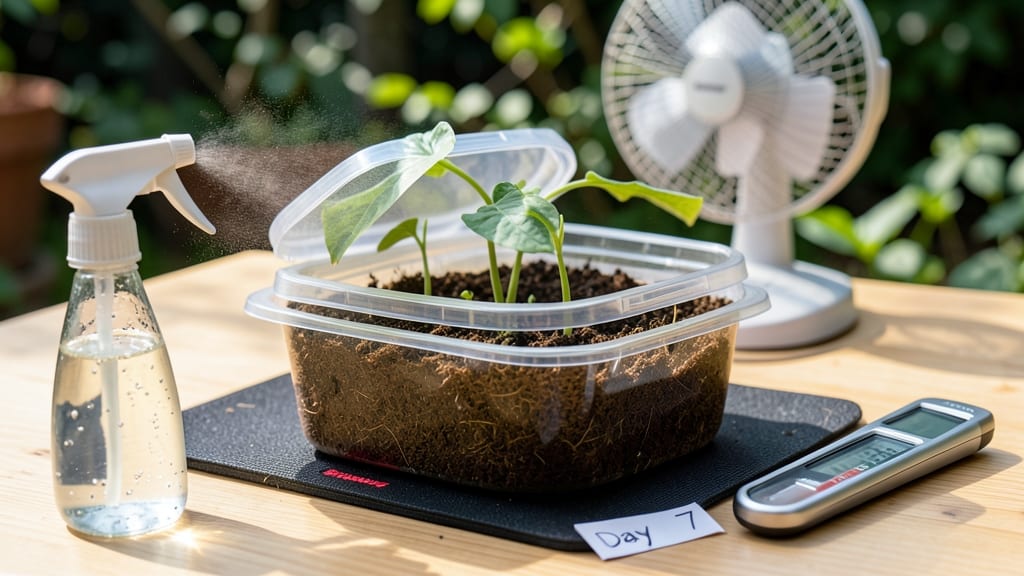
How to germinate papaya seeds faster—they’ll sprout in 7–10 days instead of weeks with this trick. 🌱 I’ve tested every method—soaking, scarification, even store-bought hormones—and the warm paper towel technique wins every time for speed. The secret? Mimicking the tropical humidity papayas crave without the fungal risks of overwatering. Start by cleaning seeds in warm water, then sandwich them between two damp paper towels in a sealed bag. Place them on top of your fridge or in a warm spot (75–85°F) where they’ll stay consistently moist. Check daily—you’ll see tiny white roots in 3–5 days, then leaves within a week. No fancy equipment, just patience and the right conditions. What you’ll end up with are stocky, disease-resistant seedlings ready for transplant in just two weeks. The roots stay strong because you avoid the damping-off fungus that kills so many tropical starts. Plus, this method works for mango, citrus, and other finicky tropical seeds too. For best results, keep the paper towels slightly damp (not soggy) and avoid direct light until sprouts appear. Once they’re 1–2 inches tall, move them to bright, indirect light. This isn’t just faster—it’s foolproof for anyone who’s struggled with papaya germination before.
📚 In This Guide
- What you need
- Instructions
- Tips and common mistakes
- Wrapping up and next steps
What you need
- ● Papaya seeds: 5–10 fresh, plump seeds (harvested from ripe papaya flesh, rinsed and dried).
- ● Paper towels: 2–3 sheets of white, unbleached paper towels (or seed-starting towels).
- ● Spray bottle: 8–16 oz with a fine mist nozzle (for gentle hydration).
- ● Plastic ziplock bag: Quart-sized (to create a humid environment).
- ● Plate or shallow container: 9–12 inches wide (to hold the setup).
- ● Warm water: Tap water heated to 80–90°F (27–32°C) (use a thermometer for precision).
- ● Seedling heat mat: (Maintains 85–90°F (29–32°C) for tropical seeds).
- ● Grow lights: LED or fluorescent (12–16 hours/day after sprouts emerge).
- ● Small pots or seed trays: 2–3 inch pots with drainage (for transplanting).
- ○ Hydrogen peroxide (3%): (Optional disinfectant for seeds/towels).
- ● Notebook & pen: (Track germination progress—fun science!).
Step-by-Step instructions for germinating papaya seeds faster
Here's the warm, moist method that cuts germination time nearly in half and gives you strong, vigorous seedlings.
🌱 Step 1: Prepare Your Seeds for Maximum Moisture
First, remove seeds from the papaya pulp and rinse them thoroughly under cool water to remove any remaining fruit residue. This prevents mold and ensures clean contact with your germination medium. I like to soak them for 10 minutes in a bowl of lukewarm water—just enough to soften the outer coating without overhydrating.
Place the rinsed seeds between two layers of a damp paper towel. The towel should feel like a wrung-out sponge—squeeze it gently to remove excess water, then fold it so the seeds are sandwiched between two even layers. This creates an ideal microclimate where moisture stays consistent without drowning the seeds.
💧 Step 2: Create a Warm, Humid Environment
Seal the folded paper towel with the seeds inside a plastic bag—this traps warmth and humidity. I place mine on top of my refrigerator for 24-48 hours. The fridge's top surface stays around 80-85°F, which is perfect for papaya seeds. You'll see tiny white roots emerge from the seeds within 3-5 days—that's your signal everything is working.
Don't let the towel dry out during this time. Check it daily and mist with water if the edges feel dry to the touch. Overwatering here is impossible, but keeping it too damp invites mold. If you notice fuzzy growth on the towel, open the bag immediately to air it out for a few hours.
☀️ Step 3: Transfer to Soil When Roots Appear
Once you see ¼-inch white roots emerging from the seeds, it's time to plant. Fill small biodegradable pots with warm, sterile seed-starting mix—papaya seeds germinate best when soil temperatures stay above 75°F. Make a ½-inch deep hole with your finger and place the seed root-side down.
Cover lightly with additional mix and water gently until the surface feels evenly moist. Place the pots under a heat mat or in a warm spot—young papaya seedlings need consistent warmth to prevent leggy growth. Within 7-10 days, you'll see the first true leaves emerge, signaling successful germination.
⏰ Step 4: Maintain Warmth and Light for Strong Growth
Keep seedlings in a warm environment (75-85°F) and provide bright, indirect light for the first week. Once they develop 2-3 sets of true leaves, gradually introduce more direct sunlight. Papaya seedlings grow fast but need protection from harsh afternoon sun initially.
Water when the top inch of soil feels dry to the touch—overwatering at this stage causes root rot. I use a spray bottle to mist seedlings until they're established, then switch to bottom-watering to encourage strong root development. You'll know you're doing it right when new leaves appear every 5-7 days.
Tips & tricks for faster papaya seed germination
Here's what I learned after struggling with slow germination—these tricks cut your wait time dramatically while keeping your sprouts strong.
Moisture Control in Step 1: The 10-minute lukewarm soak isn't just about cleaning—it kickstarts the seed's hydration process. After rinsing, squeeze that damp paper towel until it's just moist (not dripping). Too much water creates anaerobic conditions that slow germination, while too little prevents the seed from activating. Think "wrung-out sponge" consistency.
Heat Hack for Step 2: That 24-48 hour window on your fridge top works because 80-85°F is papaya seeds' sweet spot. No fridge? Place your bagged seeds on top of your computer tower (if it's off) or use a seedling heat mat set to low. Just avoid direct sunlight—papaya seeds need warmth, not heat stress. I've seen roots appear in just 3 days using this method.
Root Timing in Step 3: When you spot those ¼-inch white roots, resist the urge to plant immediately. Wait until they're at least ½-inch long—the extra length gives your seedling a better chance to establish itself in soil. This small delay often means the difference between a thriving plant and one that struggles for weeks.
Soil Temperature Secret: Warm soil is non-negotiable for papaya seeds. If your growing area is below 75°F, place your pots on a heating pad or use a clear plastic dome to create a mini greenhouse effect. You can even warm your seed-starting mix in the microwave for 30 seconds before planting—just let it cool slightly first.
Pro Tips for Germinate Papaya Seeds Faster
- Here's what I learned after struggling with slow germination—these tricks cut your wait time dramatically while keeping your sprouts strong.
- Moisture Control in Step 1: The 10-minute lukewarm soak isn't just about cleaning—it kickstarts the seed's hydration process.
- Heat Hack for Step 2: That 24-48 hour window on your fridge top works because 80-85°F is papaya seeds' sweet spot.
Frequently asked questions
Got questions about speeding up your papaya seed germination? Here are some common ones—and their answers—to help you grow those sprouts faster!
How long does the warm paper towel method usually take to see sprouts?
The warm paper towel trick typically produces sprouts in 3–7 days, depending on temperature and seed freshness. Keep the seeds in a warm, dark spot (like a sealed plastic bag) to speed things up. If you don’t see sprouts by day 10, try gently nicking the seed coat with a knife—sometimes it’s too tough!
What if my seeds aren’t germinating at all? What could be wrong?
If your seeds refuse to sprout, check these fixes:
Old seeds? Papaya seeds lose viability after 1–2 years—try fresh ones!
Too cold? Keep them at 75–85°F (24–29°C); a sunny windowsill or seedling heat mat helps.
Damp but not wet? The paper towel should stay moist, not soggy. Squeeze out excess water.
Seed coat too tough? Lightly scrape the hard outer layer with a knife to help water penetrate.
Can I use other methods besides the paper towel trick?
Try these alternatives for faster germination:
- Peat moss or coconut coir: Mix seeds with damp medium in a tray, cover with plastic wrap, and keep warm.
- Direct soil planting: Sow seeds shallowly (¼ inch deep) in warm, well-draining soil. Use a heat mat for extra speed.
- Water germination: Soak seeds in warm water for 24 hours, then transfer to a damp cloth—some sprouts appear in 2–3 days!
Pro tip: The paper towel method is fastest because it mimics the warm, humid conditions papaya seeds love in the tropics!
Do I need to use a heat source, or will room temperature work?
Room temperature (68–72°F / 20–22°C) is fine, but a heat source (like a seedling heat mat or sunny windowsill) cuts germination time by 30–50%. Papaya seeds thrive in warmth—think of their tropical origins! If your home is chilly, place the sealed bag near a warm (not hot) spot, like the top of the fridge or near a lamp.
How do I know when a papaya seedling is ready to transplant?
Transplant when your seedling has 2–3 true leaves (not the first tiny "seed leaves") and a sturdy stem. Wait until the soil is warm (at least 70°F / 21°C) to avoid shock. Harden off seedlings by placing them outdoors for 1–2 hours daily before full transplanting. Pro tip: Papayas are sensitive to cold—keep them indoors if night temps drop below 55°F (13°C)!
Wrapping up and next steps
Germinating papaya seeds faster is all about creating the perfect warm, moist environment—whether through the paper towel trick or a soil-based setup. With patience and the right conditions, you’ll see those first sprouts in just days, not weeks! 🌱✨
Now that you’re armed with these tips, it’s time to roll up your sleeves and give it a try. Start small, experiment with your setup, and soon you’ll be enjoying fresh papaya trees of your own. Happy growing! 🌿💚