
Lawn
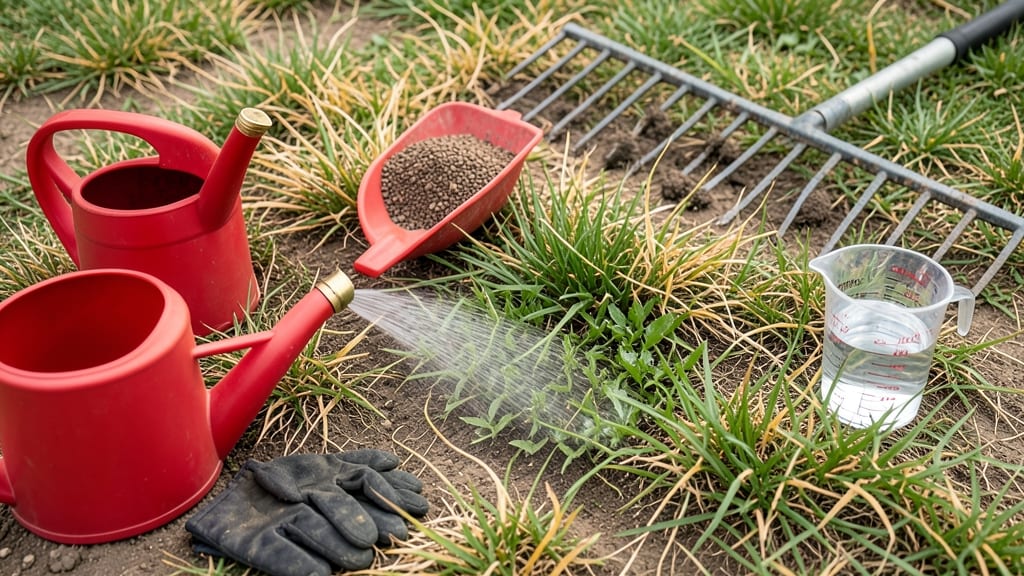
Staring at a patchy, brown lawn can feel like a losing battle—but the good news is, how to get this dead grass green again is easier than you think.
What looks like permanent damage is often just a sign your lawn needs a little TLC, whether it's from drought, poor soil, or even overwatering. The key is acting fast with the right steps, and I’ll show you exactly how to bring that green back in weeks, not months.
You don’t need to be a lawn care expert to fix this. With simple techniques like overseeding, adjusting your watering schedule, and improving soil health, you can transform bare spots into lush coverage.
I’ll walk you through the fastest fixes first, so you see results quickly, then dive into long-term strategies to keep your grass thriving.
Whether you’re dealing with a small dead patch or a larger area, the solution starts with understanding the root cause. Is it too much sun, not enough water, or something else?
Let’s tackle this step by step—because a green lawn isn’t just about looks, it’s about creating a healthy space for your home.
Ready to turn that brown mess into vibrant 🌱? By the end of this guide, you’ll know exactly what to do, when to do it, and how to keep your lawn looking its best year-round.
Immediate fixes to revive dead grass and stop further damage
When you see brown patches in your lawn, the first step is to identify the damage level. Light brown spots may just need water, while dead patches (no green at all) require more aggressive treatment.
Grab a small shovel or garden knife to gently probe the soil—if the grass pulls up easily, it’s dead and needs removal.
Start by removing dead grass to prevent disease spread. Use a rake or lawn edger to clear away dead patches, then loosen the soil with a garden fork. This step is critical because dead grass can block new seeds from establishing roots.
Aim for a depth of 2-3 inches to encourage healthy root growth for new grass.
Next, test your soil’s pH—most grasses thrive in a range of 6.0 to 7.0. If your soil is too acidic or alkaline, it can stunt grass growth.
You can buy a DIY soil test kit for under $10 or send a sample to your local extension office for a detailed report. Adjusting pH now will save you time later.
Now it’s time for overseeding. Choose a fast-germinating grass seed like ryegrass or fescue, which can sprout in as little as 7-14 days.
Spread the seed evenly over the bare patches using a broadcast spreader. For best results, water lightly every day to keep the soil moist until germination.
Don’t skip aeration—compacted soil is a silent killer of lawns. Rent a core aerator or use a manual aerator to create small holes in the soil.
This allows water, air, and nutrients to reach the roots. Aerate in early fall or spring when the grass is actively growing for the best results.
If your lawn is suffering from drought stress, deep watering is your best friend. Water early in the morning (between 6-10 AM) to reduce evaporation.
Aim for 1-1.5 inches of water per week, including rainfall. Use a rain gauge or tuna can to measure—most home sprinklers deliver too little!
For nutrient boost, apply a quick-release fertilizer with a high nitrogen content (look for a 30-0-4 ratio). This will give your grass an immediate green-up. Follow the package instructions for application rates, but avoid overdoing it—too much fertilizer can burn the grass and cause more damage.
Watch for pests like grubs or chinch bugs, which can turn a healthy lawn brown overnight. Look for tunnels in the soil or irregular brown patches that pull up easily. If you spot them, treat with an insecticide or beneficial nematodes to restore balance.
Finally, mow high—set your lawnmower to 3-4 inches to shade the soil and retain moisture. Taller grass also crowds out weeds and builds deeper roots. Avoid cutting more than one-third of the blade height at once, or you’ll stress the grass further.
🌱
- 1 Remove dead grass with a rake or edger to expose soil for new growth.
- 2 Test soil pH—adjust to 6.0-7.0 for optimal grass growth.
- 3 Overseed with ryegrass or fescue for fast germination.
- 4 Aerate soil to improve water and nutrient absorption.
- 5 Water deeply in the morning (1-1.5 inches per week).
- 6 Apply quick-release fertilizer (30-0-4 ratio) for instant green-up.
- 7 Mow high (3-4 inches) to shade soil and retain moisture.
Long-term solutions: soil health and grass care for a permanent fix
Reviving dead grass starts with addressing the root cause—literally. Poor soil health is often the culprit behind patchy, lifeless lawns. Over time, compacted soil, nutrient depletion, and improper pH levels strangle grass roots, leaving your lawn vulnerable to drought and disease.
The good news? With a few targeted steps, you can transform your soil into a thriving ecosystem that supports lush, green growth year-round.
First, test your soil using a DIY kit from your local garden center. This simple test reveals critical details like pH levels, nitrogen content, and organic matter percentages.
Most grasses thrive in a pH range of 6.0 to 7.5, so if your soil is too acidic or alkaline, amendments like lime (to raise pH) or sulfur (to lower it) can restore balance.
Think of it as giving your lawn a nutritional tune-up—just like a multivitamin for your grass.
| Solution | Action Steps | Best Time |
|---|---|---|
| Soil Test | Purchase a kit, collect samples, send to lab | Early Spring |
| pH Adjustment | Apply lime (raise pH) or sulfur (lower pH) per test results | Fall or Spring |
| Core Aeration | Rent a core aerator to remove soil plugs (2-3" deep) | Late Spring or Early Fall |
| Compost Top-Dressing | Spread ¼" of compost over lawn after aerating | Fall |
| Fertilizer Schedule | Apply balanced 10-10-10 fertilizer every 6-8 weeks | Spring, Summer, Fall |
Once you’ve tested and adjusted your soil, focus on core aeration—a game-changer for compacted lawns. Rent a core aerator (or hire a pro) to pull small soil plugs from your lawn, creating channels for air, water, and nutrients to reach the roots.
Timing matters here: late spring or early fall gives grass time to recover before extreme heat or cold. After aerating, spread a thin layer of compost or organic topsoil to replenish nutrients and improve soil structure.
Choosing the right grass seed is another critical step. If your lawn has large dead patches, consider overseeding with a mix that matches your climate. Cool-season grasses like Kentucky bluegrass or fescue thrive in northern regions, while warm-season varieties like Bermuda or Zoysia are better for southern lawns.
Always select disease-resistant varieties to prevent future outbreaks. For best results, overseed after aerating and keep the soil moist until germination (usually 10-14 days).
Finally, consistent maintenance is key to keeping your lawn vibrant. Mow your grass to the right height—never remove more than ⅓ of the blade at once—to encourage deeper root growth.
Water deeply 1-2 times per week (early morning) to promote strong roots, and avoid frequent light watering, which leads to shallow roots and drought stress. In the fall, apply a slow-release fertilizer to strengthen roots before winter dormancy, setting your lawn up for a lush spring comeback.
With these long-term strategies, your dead grass won’t just green up—it’ll stay that way. Think of it as investing in your lawn’s health, so you can enjoy a resilient, beautiful yard for years to come. 🌱