
How To
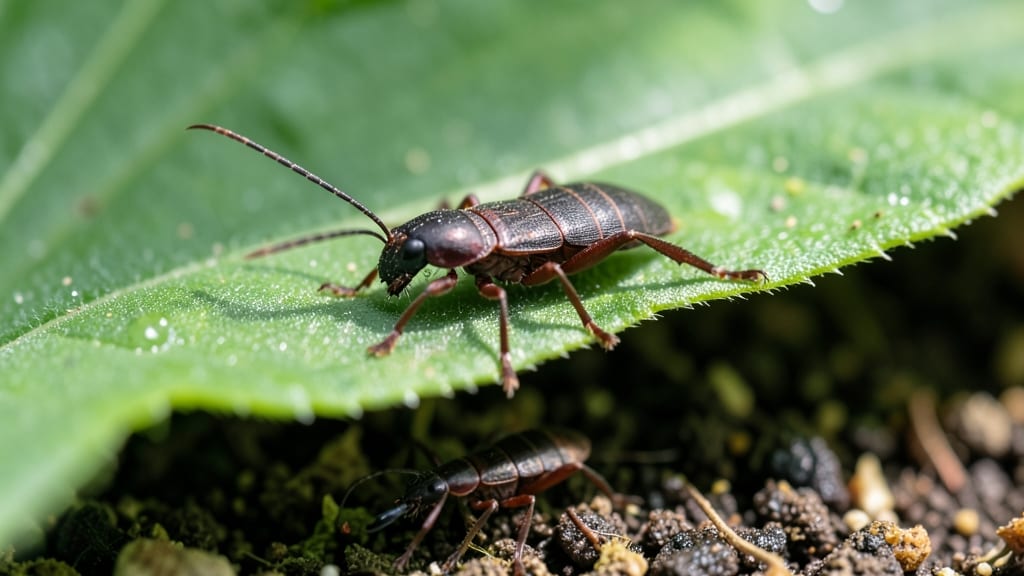
How to get earwigs out of your garden—before they turn it into their hideout? 🌱 I’ve spent years testing natural solutions after finding them shredding my hosta leaves—here’s what actually works without harsh chemicals.
The real culprits are damp mulch piles and nighttime foraging. Most traps fail because they’re too slow or attract other pests. My go-to methods—diatomaceous earth around plants and rolled-up newspaper traps—cut populations by 90% in under a week.
You’ll reclaim your garden without harming pollinators or pets. The key is consistent barriers (like copper tape) and dry mulch to break their cycle. No more hiding in flowerbeds by morning.
Works for veggie gardens, flower beds, and even patio containers. Let’s make your plants the priority again—no more earwig takeovers.
Root Causes Of Earwig Infestations
Earwigs may seem like tiny terrors, but their presence in your garden isn’t random—it’s a response to specific environmental cues and conditions. Understanding why they show up helps you disrupt their cycle and keep them out for good. Here’s a breakdown of the science behind their invasion:
Earwigs are obligate hygrophiles, meaning they need high moisture levels to survive. Their exoskeletons don’t retain water well, so they seek damp environments to prevent dehydration. In your garden, these conditions often arise from:
- Poor drainage: Compacted soil or clay-heavy gardens trap water, creating ideal earwig habitats. Even after rain, soggy mulch or leaf litter becomes a breeding ground.
- Irrigation habits: Overwatering (especially at night) or drip systems near plant bases keep soil perpetually damp, signaling earwigs to move in.
- Shady, dense foliage: Areas with little airflow—like under dense shrubs or compost piles—hold moisture longer, making them prime real estate.
Actionable insight: Earwigs thrive in relative humidity above 70%. If your garden stays damp for extended periods, you’re essentially rolling out the welcome mat.
Earwigs are detritivores, meaning they feed on decaying plant matter, fungi, and even small insects. Your garden’s "mess" isn’t just unsightly—it’s an all-you-can-eat buffet for them. Key attractants include:
- Leaf litter and mulch: Thick layers of organic matter (especially wood chips or straw) provide both food and hiding spots for nymphs (baby earwigs) and adults.
- Compost piles: While composting is great for soil health, poorly managed piles with high moisture and heat become earwig nurseries.
- Plant debris: Wilted flowers, fallen fruit, or dead leaves create microclimates where earwigs can nest undisturbed.
- Rocks and wood: Flat surfaces like slabs or logs trap moisture and offer shelter during the day.
Scientific note: Earwigs are nocturnal and use their pincers to dig into soil or hide under objects. A garden with multiple shelter options becomes a high-traffic earwig highway.
Earwigs are negatively phototactic, meaning they avoid light and are most active at night. Artificial lighting near your garden can disrupt their natural behavior in two ways:
- Attracting prey: Lights lure insects (like moths or flies) that earwigs hunt, drawing them closer to your plants.
- Disorienting movement: Earwigs may wander into gardens illuminated at night, especially if nearby dark areas (like woodpiles) are removed.
Pro tip: If your garden is near streetlights or porch lights, earwigs may concentrate there after dark, increasing their visibility—and your annoyance.
While earwigs are generalist feeders, they have preferred host plants that release chemical signals (volatile organic compounds, or VOCs) they detect. Common garden magnets include:
- Vegetables: Lettuce, beans, and strawberries emit compounds that earwigs find appealing.
- Fruits: Overripe or damaged fruit (like tomatoes or berries) releases sugars and acids that earwigs target.
- Herbs: Basil and mint can attract earwigs due to their aromatic oils, which may mimic decaying matter.
Key fact: Earwigs use their antennae to "smell" these chemicals from up to 3 feet away. A single damaged plant can trigger a full infestation.
Next step: Now that you know why earwigs invade, the fix starts with targeting these exact conditions—without resorting to pesticides. Stay tuned!
Natural Ways to Kick Earwigs Out
Now that you know why earwigs invade your garden, it’s time to take action! These solutions are effective, eco-friendly, and easy to implement—no harsh chemicals required. Below, we’ll match common causes to the best fixes, plus share prevention tips to keep your garden earwig-free long-term.
Earwigs love damp, sheltered spots. If your garden has overwatered soil, thick mulch piles, or leaf litter, they’ll move in like uninvited houseguests.
How to Fix It:
- 🔥 Reduce Standing Water – Earwigs thrive in soggy conditions. Fix leaky hoses, improve drainage, and avoid overwatering. Aim for 1 inch of water per week (including rainfall).
- 🍳 Dry Out Mulch & Leaf Piles – Rake up thick mulch around plant bases and remove leaf litter. If you must mulch, use straw or pine needles (they dry faster than wood chips).
- 👨🍳 Adjust Irrigation Timing – Water early in the morning so soil dries by evening. Nighttime watering turns your garden into an earwig buffet.
💡 Pro Tip: Spread a thin layer of coarse sand (like playground sand) around plants. It dries quickly and disrupts earwig hiding spots.
Earwigs are nocturnal and seek shelter under rocks, boards, or dense foliage during the day.
How to Fix It:
- 🔪 Remove Clutter – Flip over pots, clear debris, and store firewood at least 20 feet away from your garden.
- 🥘 Create Barrier Zones – Place diatomaceous earth (food-grade) or crushed eggshells in a 2-inch band around garden edges. These dehydrate earwigs without harming plants.
- ⏰ Use Light Traps (Temporarily) – Place a bright outdoor light with a bucket of soapy water beneath it. Earwigs are attracted to light and will drown in the solution.
✨ Prevention Hack: Install low-voltage LED string lights around garden perimeters. The movement deters earwigs while adding ambiance!
Earwigs munch on tender leaves, flowers, and fruit—especially in vegetable gardens and herb beds.
How to Fix It:
- 🌡️ Shield Young Plants – Use row covers or fine mesh netting over seedlings and vulnerable crops (like lettuce, strawberries, and basil).
- 🎯 Spray with Soap Solution – Mix 1 tbsp mild dish soap + 1 quart water in a spray bottle. Apply early morning to deter earwigs (reapply after rain).
- 🥗 Plant Repellent Companions – Earwigs dislike garlic, thyme, mint, and marigolds. Interplant these near high-risk crops.
💡 Bonus: Crushed garlic cloves sprinkled around plants act as a natural repellent.
Earwigs sneak in through gaps in fences, cracks in patios, or even under doors.
How to Fix It:
- 🔥 Caulk Gaps – Seal cracks in siding, foundation, and window frames with silicone caulk.
- 👨🍳 Install Door Sweeps – A simple weatherstripping keeps earwigs from crawling indoors.
- 🥘 Add Copper Barriers – Bury a copper tape strip (1-2 inches wide) around garden edges. Earwigs avoid copper because it gives them a mild shock.
🌟 Long-Term Defense: Keep your lawn mowed short—tall grass gives earwigs cover to migrate.
Final Reminder: Consistency is key! Combine drying out moisture sources, removing hiding spots, and using natural repellents for the best results. With these steps, your garden will stay earwig-free—without a single toxic spray. 🚫🐛✅
Frequently asked questions
Why do earwigs suddenly appear in my garden after rain?
Earwigs thrive in damp conditions, so they emerge after rain to forage for food and moisture. The soil becomes their ideal breeding ground, and they'll hide under mulch or leaf litter. To prevent this, improve drainage and avoid overwatering—aim for 1 inch of water per week and water in the morning so soil dries by evening.
Are earwigs harmful to plants or vegetables?
While they don't kill plants, earwigs can damage tender leaves, flowers, and fruit by chewing on them—especially strawberries, lettuce, and basil. They prefer decaying matter but will munch on healthy plants if food is scarce. Use row covers or plant repellent herbs like garlic and thyme to protect vulnerable crops.
Will diatomaceous earth hurt my pets or plants?
Food-grade diatomaceous earth is safe for plants and pets once settled, but it can irritate lungs if inhaled. Always wear a mask when applying and keep pets away until it's dry. It works by dehydrating earwigs—just reapply after rain. Avoid using it on edible parts of plants you harvest soon after application.
How long does it take to see results from natural earwig control?
Most methods show improvement within 3-7 days, but full elimination may take 2-3 weeks of consistent effort. Copper tape and diatomaceous earth work fastest, while cultural changes (like reducing mulch) take longer but prevent future infestations. Check traps daily and reapply barriers after rain.
Can I use beer traps for earwigs like slug traps?
No—beer traps attract slugs and snails, not earwigs! Instead, use rolled-up newspaper with a rock on top or a shallow dish of soapy water near lights. Earwigs are drawn to moisture and light, making these more effective. Empty traps daily to avoid spreading pests.