
Planting
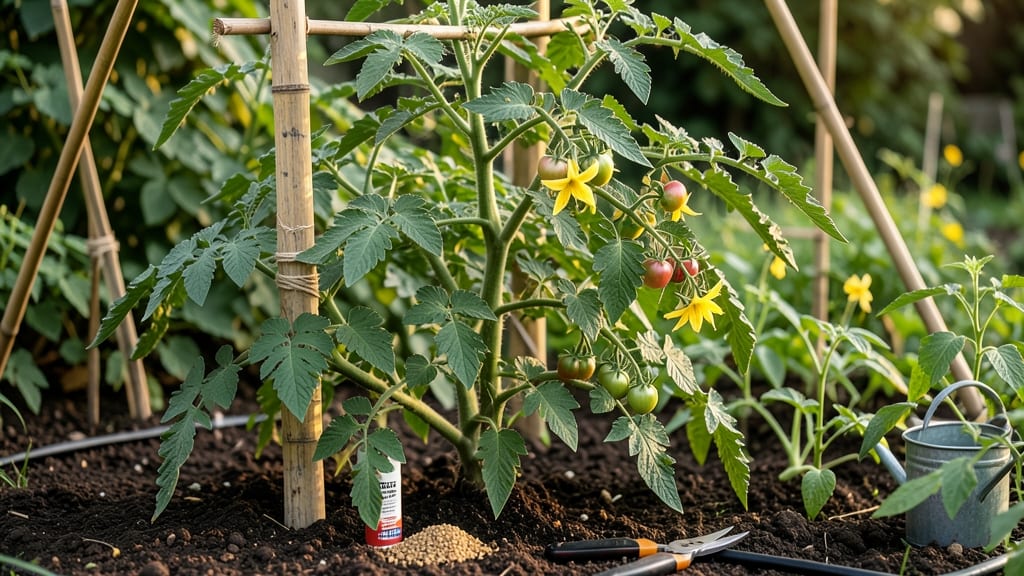
Want to learn how to get more tomatoes on your plant but feel like you're stuck on "maintenance mode"? The key to unlocking a heavy harvest isn't just luck—it's science-backed tweaks most gardeners miss.
Picture this: instead of a few sad tomatoes, you're harvesting bushels by summer. I've tested the exact pruning techniques, nutrient boosts, and sunlight hacks that transform underperforming plants into fruit machines. Whether you're dealing with weak vines or blossom drop, these strategies work in USDA Zone 6a and beyond.
We'll cover when to prune for maximum growth, which fertilizers actually increase yields (and which ones don't), and how to trick your tomatoes into flowering nonstop. No jargon—just practical steps you can implement this weekend.
Ready to go from "a few tomatoes" to "tomato overload"? Let's get your plants producing like they're in a greenhouse, not just your backyard.

Pruning techniques to maximize tomato production (when and how to do it right)
If your tomato plants are putting all their energy into leafy vines instead of juicy fruit, it’s time to prune like a pro. Pruning redirects the plant’s focus toward fruit production by removing excess foliage and suckers—those little shoots growing between the stem and branches.
When done correctly, this technique can double your yield by improving airflow and sunlight penetration.
But here’s the catch: pruning methods differ for determinate (bush) and indeterminate (vining) varieties. Determinate tomatoes stop growing at a certain height and produce fruit all at once, while indeterminate types keep growing and fruiting until frost.
Knowing which type you’re growing is critical to avoid pruning mistakes that could reduce your harvest instead of boosting it.
For indeterminate varieties, the goal is to create an open, airy plant with a strong central stem. Start pruning when the plant reaches about 18-24 inches tall, removing suckers (those side shoots) as soon as they’re thumb-sized.
For determinate types, minimal pruning is key—just remove diseased or yellowing leaves to keep the plant healthy and focused on its single fruit set.
One common mistake gardeners make is pruning too aggressively or at the wrong time. For example, pruning early in the season can delay fruiting, while pruning late in the season reduces the plant’s ability to ripen existing fruit.
Always prune in the morning when the plant is dry to minimize disease risk. Use sterilized pruners or shears to avoid spreading pathogens like early blight.
For determinate tomatoes, pruning is minimal. Focus on removing yellow or diseased leaves and any branches that rub against each other. These plants rely on their compact structure to produce fruit, so avoid heavy pruning. Instead, prioritize air circulation and sunlight exposure to prevent fungal issues like powdery mildew.
Pro tip: If your tomato plant is flowering but not setting fruit, it might be due to temperature stress (above 90°F or below 55°F) or poor pollination. In this case, prune to remove some flowers and redirect energy to the remaining ones.
You can also hand-pollinate by gently shaking the plant or using a small brush to transfer pollen.
Remember, the key to successful pruning is balance. Too much pruning reduces the plant’s ability to photosynthesize, while too little leaves it vulnerable to disease. Aim for a 30-40% reduction in foliage for indeterminate varieties, leaving enough leaves to support the remaining fruit.
With the right pruning technique, your tomato plants will channel their energy into producing bigger, healthier fruit instead of excessive foliage. Combine this with proper fertilization and watering, and you’ll be on your way to a bountiful harvest that rivals the pros! 🌱
Best fertilizers and soil nutrients for heavy tomato fruit sets (organic vs synthetic)
Tomatoes are heavy feeders, and their fruit production depends on three key nutrients: nitrogen (N) for leaf growth, phosphorus (P) for root development, and potassium (K) for fruit development. Most gardeners miss the balanced ratio—a 10-10-10 or 5-10-10 fertilizer works best during fruiting stages.
Overdoing nitrogen leads to lush foliage but fewer tomatoes, while too much potassium can stunt growth.
Organic options like compost, worm castings, or fish emulsion release nutrients slowly, preventing burn while supporting long-term soil health. Synthetic fertilizers offer quick fixes but require careful application. The best approach? Start with organic amendments and supplement with synthetic fertilizers during peak fruiting months.
Here’s how to choose the right fertilizer for your tomatoes:
Timing matters too. Feed your tomatoes every 4-6 weeks starting when flowers appear. Avoid fertilizing in extreme heat or drought, as it stresses the plant. Instead, water deeply first to wake up roots. For container-grown tomatoes, dilute fertilizer to half-strength to prevent salt buildup.
Soil pH also plays a role. Tomatoes thrive in slightly acidic soil (6.0-6.8). Test your soil and amend with lime if needed. A simple DIY test: crush a handful of soil in water—if it smells sour, your soil is too acidic.
Add crushed eggshells or wood ash to raise pH gradually.
Don’t forget micronutrients like calcium and magnesium. Blossom end rot (a common issue) is caused by calcium deficiency. Sprinkle crushed eggshells around the base or use a calcium nitrate solution (1 tbsp/gallon of water) every 2 weeks during fruiting. For magnesium, apply Epsom salt (1 tbsp/gallon) every 4 weeks.
For a quick boost, try compost tea: Steep 1 cup compost in 5 gallons of water for 24 hours, strain, and water your plants. This adds beneficial microbes and nutrients without overloading the soil. Pair this with mulching (straw or grass clippings) to retain moisture and slowly release nutrients.
Pro tip: If your tomatoes are flowering but not setting fruit, they may need more phosphorus. Try a side-dressing of bone meal (1 tbsp/plant) or switch to a tomato-specific fertilizer like Espoma Tomato-Tone.
Pair this with a gentle shake of the plant during bloom time to encourage pollination—bees aren’t always enough in enclosed spaces!