Pests
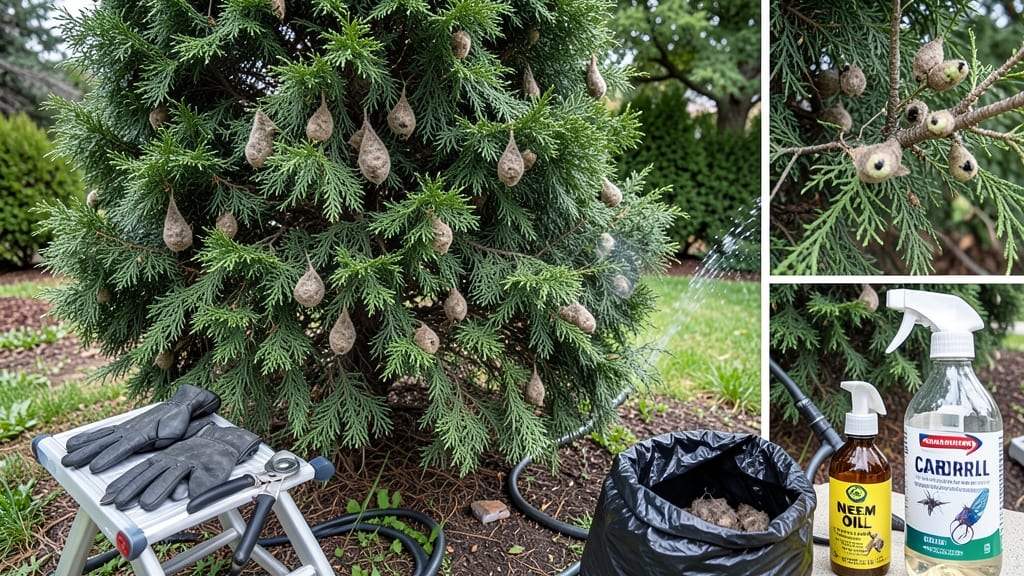
Here’s how to get rid of bagworms on evergreens before they strip your trees bare—those gray, sack-like pests are relentless. 🌲 I’ve watched them turn entire landscapes into skeletal shadows in just a few weeks, and I’m here to share the solution.
The key? Early action with an organic spray that works fast and keeps working all season.
Most gardeners panic when they spot bagworms, but the solution is simpler than you think. You’ll need a homemade spray (or a store-bought organic option) and a good pair of gloves—no fancy gear required.
The trick is timing: treat them in late May or early June, when the larvae are small but active, and again in July if needed. One spray won’t cut it if you wait too long.
Within 24-48 hours of application, you’ll see the bagworms start to drop or stop feeding. Your evergreens will go from looking ragged to vibrant and full again. The best part?
This method is safe for kids, pets, and beneficial insects—no harsh chemicals needed. Just be ready to repeat the process if new eggs hatch later in the season.
Here’s the catch: Prevention is easier than cleanup. After your first treatment, keep an eye out for those telltale gray bags in fall and winter. A quick handpick now saves hours of spraying later. Let’s get those evergreens back to their best—before the bagworms make a comeback.
📚 In This Guide
- What you need
- Instructions
- Tips and common mistakes
- Wrapping up and next steps
What you need
- ● Organic insecticide spray: Choose a BT (Bacillus thuringiensis)-based spray (e.g., Dipel or Xentari) or a neem oil-based solution (e.g., Neem Bliss).
- ● Quantity: 1 gallon (or enough to cover your evergreens thoroughly).
- ● Garden sprayer: Hose-end sprayer (1) or a handheld pump sprayer (1-2) with a fine-mist nozzle.
- ● Capacity: 1-2 gallons (adjustable for concentrated sprays).
- ● Pruning shears or scissors: 1 pair (sterilized with rubbing alcohol to avoid spreading pests).
- ● Bypass pruners work best for precision trimming.
- ● Heavy-duty gloves: 1 pair (nitrile or latex-free for sensitivity).
- ● Ladder or step stool: 1 (if your evergreens are taller than 6 feet).
- ● Ensure it’s stable and rated for your weight.
- ● Trash bag or bucket: 1-2 (for collecting removed bags and pruned branches).
- ● Water source: Hose or 5-gallon watering can (for diluting sprays if needed).
- ● Magnifying glass: Helps spot tiny eggs or hidden bags.
- ● Dust mask: Protects against debris when pruning.
- ● Soap and water: For cleaning tools post-treatment.
- ● Label or marker: To mark treated areas if reapplying spray.
- ● Pet-safe alternative: If you have pets, opt for spinosad-based sprays (e.g., Captain Jack’s) and keep them away until dry.
Step-by-step instructions for organic bagworm control on evergreens
Here's the proven organic approach I use to eliminate bagworms without harming your evergreens or local wildlife.
🪴 Step 1: Identify and Locate Bagworm Infestations
Start by examining your evergreens during late summer when bagworms are most active. Look for small, conical bags—typically 1-2 inches long—attached to branches. These bags contain the caterpillars, which feed on needles and create unsightly damage. I focus on dense foliage areas first, as these spots often hide the most infestations.
Shake branches gently over a white sheet or tarp to dislodge any bags you might miss. The caterpillars will crawl out, making them easier to spot. This also helps you gauge the severity of the infestation. If you see more than 10-15 bags per tree, you’ll need a more aggressive treatment plan. Bagworms are most vulnerable in their early stages, so timing is everything.
✂️ Step 2: Prune and Remove Visible Bags
Use clean, sharp pruning shears to snip off branches with visible bags, focusing on the most heavily infested areas. Dispose of these branches in a sealed plastic bag—never in your yard waste or compost pile, as the caterpillars can survive and reinfest. I like to work on a dry, sunny day to reduce the risk of spreading eggs or larvae.
For smaller infestations, you can handpick bags and drop them into a bucket of soapy water. This method is labor-intensive but highly effective for early detection. Avoid shaking branches over your lawn or garden beds, as this can disperse eggs or larvae to other plants. After pruning, sterilize your shears with rubbing alcohol to prevent cross-contamination.
💧 Step 3: Apply Organic Spray at the Right Time
Once you’ve removed visible bags, apply an organic spray like Bt (Bacillus thuringiensis) kurstaki or neem oil when caterpillars are actively feeding—typically in late summer to early fall. Bt is a natural bacteria that targets caterpillars’ digestive systems, while neem oil disrupts their feeding and growth. Mix the spray according to the label instructions, ensuring full coverage of the foliage, including the undersides of branches.
Spray in the early morning or late evening to avoid harming beneficial insects like bees. Reapply every 7-10 days or after rain, as organic sprays break down quickly. Avoid spraying when temperatures exceed 90°F, as this can reduce the effectiveness of Bt. I also recommend wearing gloves and a mask for protection, especially when handling neem oil.
☀️ Step 4: Monitor and Retreat as Needed
Check your evergreens weekly after treatment to assess the effectiveness of the spray. Look for signs of caterpillar die-off, such as shriveled bags or reduced feeding damage. If you still see active caterpillars or new bags forming, repeat the spray application. Consistency is key—bagworms reproduce quickly, and a single missed treatment can lead to a full-blown infestation.
In late fall, after the caterpillars have pupated, remove any remaining bags by hand or with pruners. This prevents the next generation from emerging in spring. I also recommend installing pheromone traps in early summer to catch adult moths before they lay eggs. While traps alone won’t eliminate an infestation, they significantly reduce the population over time.
🌱 Step 5: Strengthen Tree Health for Long-Term Protection
Healthy evergreens are less susceptible to bagworm damage. Ensure your trees receive adequate water, especially during dry spells, and apply a balanced organic fertilizer in early spring to promote vigorous growth. I use a slow-release fertilizer to avoid overfeeding, which can stress the tree. Mulch around the base with 2-3 inches of organic mulch to retain moisture and improve soil health.
Encourage natural predators like birds, parasitic wasps, and lacewings by planting native shrubs and flowers nearby. These beneficial insects prey on bagworm eggs and larvae, providing a long-term, chemical-free solution. Regularly inspect your evergreens throughout the growing season to catch infestations early—prevention is always easier than treatment.
Tips & tricks for effective evergreen pest control
Took me years to perfect this organic method—here's what actually works when battling bagworms.
Timing is Critical: The ½ to 1 inch size window for treatment is non-negotiable. I've seen infestations spiral when people wait until bags reach 2 inches—by then, the larvae are nearly pupated and much harder to kill. Mark your calendar for early July and check weekly. The sooner you act, the less damage you'll see. Early detection is your best defense against these silent destroyers.
Spray Technique Matters: When applying your 1 quart solution, work methodically from the bottom up. Focus on the undersides of branches where larvae hide, as they're less exposed there. I use a pump sprayer to create fine mist—this ensures thorough coverage without runoff. The key is complete saturation of all foliage, not just a light misting. Even missed spots can lead to regrowth, so don't rush this step.
Equipment Upgrade: Consider adding a magnifying glass to your inspection toolkit. The ½ inch size difference between treatable and untreatable bags becomes much clearer with magnification. I keep one attached to my gardening gloves for quick checks. This simple addition helps you catch early-stage infestations you might otherwise miss during visual inspections.
Follow-Up Strategy: That one-week regrowth check after treatment is where most people fail. I've seen trees that looked cleared after spraying only to have new bags appear within days. Make this check a non-negotiable part of your process. If you see any new bags, repeat the spray immediately—don't wait for them to grow larger. Consistency in follow-up is what separates temporary control from permanent eradication.
Pro Tips for Get Rid Of Bagworms On Evergreens
- Took me years to perfect this organic method—here's what actually works when battling bagworms.
- Timing is Critical: The ½ to 1 inch size window for treatment is non-negotiable. I've seen infestations spiral when p...
- Spray Technique Matters: When applying your 1 quart solution, work methodically from the bottom up. Focus on the unde...
Frequently asked questions
about battling bagworms on evergreens—your go-to answers for quick fixes and peace of mind!When is the best time to treat bagworms?
The ideal window is late summer to early fall (August–September) when larvae are actively feeding but before they pupate. If you spot them earlier, treat immediately—they multiply fast! For organic sprays, apply on calm days to avoid drift, and repeat every 7–10 days for best results.
Are organic sprays as effective as chemical pesticides?
Yes! Organic sprays like neem oil, horticultural oil, or Bacillus thuringiensis (Bt) can be just as effective if applied correctly. They’re safer for pets, kids, and beneficial insects. Chemicals kill faster but may harm pollinators—so weigh the pros! Consistency is key with organics; reapply after rain or every 2 weeks.
How long does it take to see results?
Results vary, but you’ll often see noticeable damage reduction in 3–7 days with organic sprays. Larvae may drop off or stop feeding within a week. For severe infestations, combine manual removal + spray treatments and monitor closely. Patience pays off—bagworms can’t build resistance to Bt or neem oil!
What if bagworms return next year?
They often do! Prevent recurrence by:
- Pruning and disposing of infested branches (don’t compost them!).
- Using reflective mulch or sticky traps to deter moths.
- Reapplying Bt spray in early summer to catch new hatchlings.
Can I use dish soap or garlic spray for bagworms?
While homemade remedies like soap or garlic might seem tempting, they’re not reliable for bagworms. Soap can harm plants, and garlic lacks the targeted toxicity of Bt or neem. Stick to proven organic sprays for guaranteed results—your evergreens deserve the best defense!
Wrapping up and next steps
Bagworms may seem like a stubborn foe, but with the right organic approach—like our neem oil or BT spray—you can reclaim your evergreens and restore their lush beauty. 🌿 Stay consistent, monitor your trees, and don’t hesitate to act early if you spot those telltale bags again.
Your hard work will pay off with healthier, happier plants!
Next step: Grab your supplies and treat your trees this weekend—your evergreens will thank you! 🌱