
How To
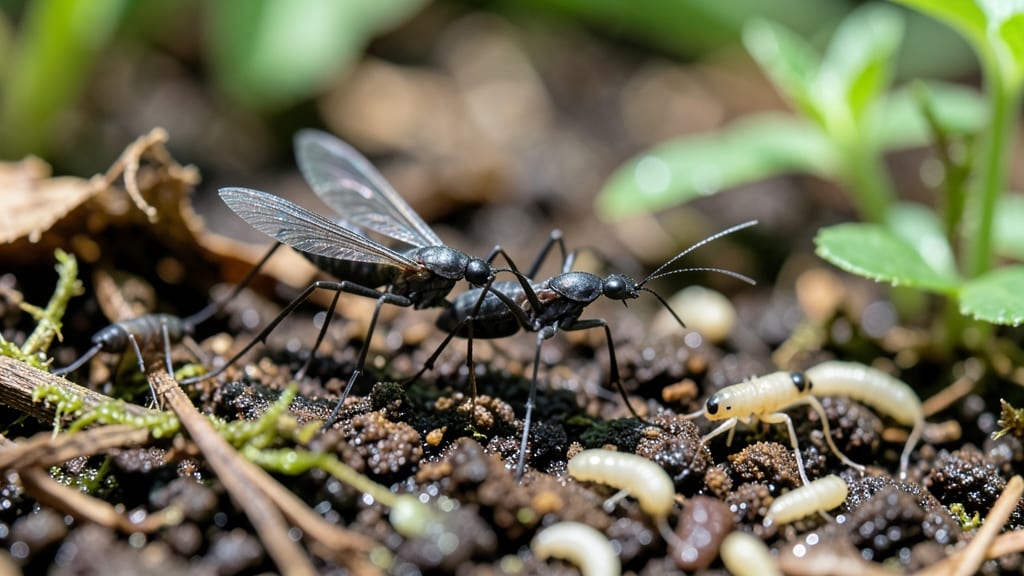
How to get rid of fungus gnats outside—it’s a battle that never seems to end. 🌱 These tiny pests thrive in damp soil, turning your garden beds into their breeding ground—until you use this barrier trick that stops them before they even start. The key is cutting off their access to moist soil where they lay eggs. A simple layer of dry sand, diatomaceous earth, or even coarse mulch creates a barrier they can't cross. Combine this with reducing overhead watering and you'll see gnat numbers drop within 3-5 days. You'll notice fewer adults flying around your plants and healthier roots that aren't being chewed. The best part? This method works without chemicals, keeping your garden safe for pollinators and beneficial insects. For stubborn infestations, add yellow sticky traps to catch adults while you work on the soil barrier. The combination makes short work of these pesky pests without harming your garden ecosystem.
Root Causes Of Outdoor Fungus Gnats
Fungus gnats aren’t just a nuisance—they thrive because of specific conditions outside your home. Understanding these triggers is the first step to stopping them before they become a full-blown infestation. Here’s why these pesky pests show up in your yard, garden, or outdoor spaces.
Fungus gnats (scientifically known as Bradysia or Sciaridae) lay their eggs in moist, organic-rich soil. Their larvae feed on fungal hyphae and decaying plant matter, making damp conditions an ideal breeding ground. Here’s why it happens:
- Poor drainage – Compacted or clay-heavy soil retains excess water, creating a perfect nursery for gnat larvae.
- Overwatering – While plants need hydration, soggy soil mimics a swampy environment, signaling gnats to lay eggs.
- Decaying organic matter – Leaves, mulch, or compost piles provide both moisture and food for larvae.
- Shady, humid spots – Low sunlight slows evaporation, keeping soil damp longer.
Actionable insight: If your garden beds stay wet for days after watering, fungus gnats will likely follow.
Fungus gnats don’t just tolerate fungi—they depend on it. Their larvae feed on microscopic fungal threads (hyphae) in the soil. Common fungal sources include:
- Decomposing plant material – Dead roots, fallen leaves, or rotting wood create fungal hotspots.
- Over-mulched areas – Thick mulch layers trap moisture and encourage fungal blooms.
- Compost piles – While compost is great for gardens, it can also attract gnats if it’s too wet or not turned frequently.
Fun fact: Some gardeners unknowingly feed fungus gnats by using too much compost or manure, which accelerates fungal growth.
Neglected outdoor spaces become fungus gnat magnets. Here’s how sloppy maintenance invites them:
- Debris buildup – Piles of grass clippings, weeds, or plant trimmings create hidden microclimates with high moisture and organic matter.
- Weeds with shallow roots – Weeds like cress or chickweed often sit close to the soil surface, where gnat larvae thrive.
- Unpruned plants – Overgrown foliage blocks airflow, keeping soil damp and shaded—ideal for fungal growth.
Pro tip: Regularly rake up debris and prune plants to reduce hiding spots and improve airflow.
Fungus gnats prefer consistent warmth (between 60–80°F or 15–27°C). This is why they’re often worse in:
- Greenhouses or conservatories – Enclosed spaces trap heat and humidity, speeding up their life cycle.
- Southern or tropical climates – Year-round warmth means gnats can breed continuously.
- Evening moisture – Dew or light rain at night keeps soil damp when temperatures are ideal for egg-laying.
Did you know? A single female gnat can lay 200–300 eggs in her lifetime, and larvae hatch in just 3–4 days under perfect conditions.
In balanced ecosystems, predators like:
- Ground beetles
- Spiders
- Birds (e.g., wrens or thrushes)
- Beneficial nematodes
keep gnat populations in check. But in heavily treated gardens (e.g., with pesticides) or urban areas, these predators vanish, allowing gnats to explode in numbers.
Solution: Encourage predators by planting native flowers (like dill or fennel) or avoiding broad-spectrum pesticides.
Practical fixes for fungus gnats
Fungus gnats are pesky little invaders that thrive in damp, organic-rich outdoor spaces, but the good news is that you can tackle them effectively with the right strategies.
Below are targeted solutions based on the most common causes—so you can stop these tiny nuisances in their tracks and keep your garden, patio, or yard gnat-free.
If your outdoor plants or garden beds are soggy, fungus gnats will flock to the moisture like it’s an all-you-can-eat buffet. The fix? Reduce watering and improve drainage to create an environment they’ll avoid.
- 🔥 Adjust Your Watering Schedule Let the top 1–2 inches of soil dry out between waterings. Use your finger to test moisture—if it’s damp, wait a day or two. Overwatering is the #1 reason these gnats stick around, so consistency is key.
- 🍳 Add Organic Matter for Better Drainage Mix in coarse sand, perlite, or compost to improve soil aeration. This helps water drain faster while still providing nutrients for your plants. A 20-30% mix of amendments can make a huge difference.
- 👨🍳 Use Mulch Strategically Apply a thin layer of mulch (like shredded bark or straw) around plants to retain moisture without creating a gnat paradise. Avoid piling mulch too thickly—1–2 inches is ideal.
- ⏰ Prevent Future Problems Water in the early morning so excess moisture evaporates during the day. If you have containers, ensure they have drainage holes to prevent waterlogging.
Fungus gnats love rotting leaves, compost piles, and other decomposing plant debris. If your yard has piles of organic waste, it’s basically a gnat hotel.
- 🔪 Clean Up Debris Regularly Rake up fallen leaves, trim dead plant material, and remove any compost that’s too wet. Store compost in a well-ventilated bin with a lid to keep gnats out.
- 🥘 Turn Compost Properly If you compost outdoors, turn the pile frequently to speed up decomposition and reduce moisture buildup. A hot compost pile (140°F+) will naturally deter gnats.
- 🌡️ Use a Soil Barrier (The Pro Trick!) Spread a thin layer of diatomaceous earth (DE) or cinnamon around the base of plants and in garden beds. These natural powders disrupt the gnats’ life cycle without harming plants. Reapply after rain.
Fungus gnats thrive in dark, damp, and humid spots. If your yard has shaded or poorly ventilated areas, they’ll set up camp there.
- 💡 Increase Airflow Trim back overgrown plants or bushes to allow better circulation. Even a slight breeze can reduce humidity levels where gnats love to linger.
- ✨ Add Sunlight If possible, plant sun-loving species in shady areas to naturally dry out the soil. Succulents, lavender, or rosemary are great choices—they thrive in dry conditions and repel pests.
- 🎯 Use Reflective Surfaces Place light-colored gravel, stones, or even a solar-powered outdoor light in shady spots to reflect sunlight and deter gnats. They prefer darkness, so making the area brighter confuses them.
If gnats are already laying eggs in your soil, you’ll need to break their life cycle fast. The key is to starve or dehydrate the larvae before they mature.
- 🔥 Apply Beneficial Nematodes These microscopic worms (Steinernema feltiae) are natural predators of fungus gnat larvae. Mix them with water and apply to soil—they’ll hunt down and kill the larvae within days.
- 🥗 Use a Hydrogen Peroxide Spray Mix 1 part 3% hydrogen peroxide with 4 parts water and lightly spray the soil surface. This oxygenates the soil, killing larvae on contact. Reapply every 5–7 days until the infestation clears.
- 💪 Try a Coffee Ground Barrier Sprinkle used coffee grounds around plant bases—they create an acidic barrier that gnats dislike. Plus, they add nutrients to the soil as they break down!
Once you’ve kicked the gnats to the curb, keep them from coming back with these easy maintenance habits:
- 💡 Rotate Your Plants – If you notice gnats near certain plants, move them to a drier spot or pot.
- 🌡️ Monitor Soil Moisture – Use a moisture meter to track when watering is needed.
- 🎯 Plant Gnat-Repelling Herbs – Basil, mint, and marigolds naturally deter fungus gnats.
- 🔄 Check for Standing Water – Empty saucers under pots, fix leaky hoses, and ensure gutters drain properly.
With these targeted fixes, you’ll create an outdoor space that’s dry, well-drained, and gnat-free in no time. The key is consistency—stay on top of moisture, clean up debris, and use natural barriers to keep these tiny pests from crashing your garden party!
Frequently asked questions
Why do fungus gnats keep coming back even after I treat them?
These pests thrive in damp, organic soil, so they often return if conditions stay ideal. Focus on reducing moisture (water only when the top 1-2 inches are dry) and improving drainage by mixing in perlite or sand. Also check for hidden breeding spots like thick mulch piles or compost that's too wet.
Can I use the same soil barrier trick for potted plants? For containers, spread a ¼-inch layer of diatomaceous earth or coarse sand on top of the soil before watering. This creates an instant barrier that gnats can't cross. Just
Are yellow sticky traps safe for my garden?
Yes, they're completely safe for plants and beneficial insects! These traps catch adult gnats without chemicals. Place them near problem areas (especially under lights where gnats gather) and replace them every 2-3 weeks for best results. They work best when combined with soil treatments.
Will beneficial nematodes harm my plants?
No, these microscopic worms (Steinernema feltiae) only target fungus gnat larvae and are harmless to plants. Apply them at dusk when soil is moist (but not soggy) for best results. They'll hunt down larvae within 24-48 hours without affecting your garden's ecosystem.
How long until I see results from these methods?
With consistent treatment, you'll typically see a noticeable reduction in 3-5 days and near elimination in 2-3 weeks. The fastest results come from combining soil barriers with yellow traps. Remember that gnats have a 2-3 week life cycle, so patience is key for complete eradication.