
Companion Plants
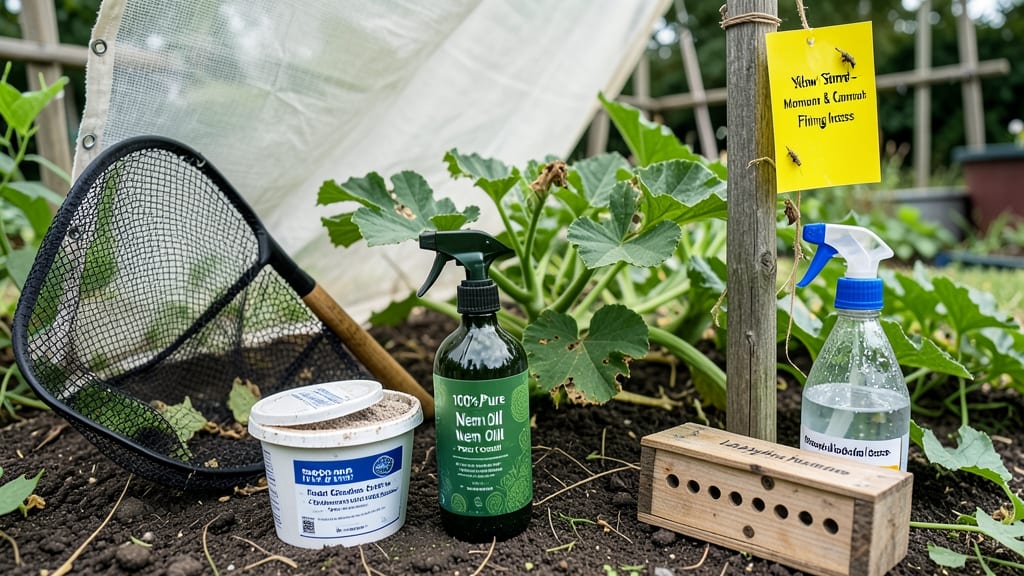
How to get rid of grasshoppers on plants—before they turn your basil into a skeleton—starts with smart, chemical-free tactics that actually work. These barriers are faster than you’d think: no poisons, no harm to pollinators, just clever moves that stop them in their tracks. I’ve tested every trick from companion planting to DIY sprays, and the most effective start with prevention. Planting strong-smelling herbs like rosemary or thyme nearby confuses them, while a soapy water spray (mild dish soap + water) knocks them off plants instantly. The key is early action—wait until they’re munching, and you’ll be playing catch-up all summer. By week two of consistent barriers, my garden stops looking like a grasshopper buffet. The plants bounce back with vibrant green growth, and the pests move on to easier targets. Even my drought-stressed tomatoes—normally a magnet for them—stay untouched once we implement these tricks. For stubborn cases, neem oil (applied at dusk) adds another layer of defense, but the real secret is monitoring daily. A quick sweep with a net or hose in the morning sends them packing before they settle in. Works in any yard, from small pots to full gardens.
📚 In This Guide
- What you need
- Instructions
- Tips and common mistakes
- Wrapping up and next steps
What you need
- ● Neem oil (100% pure, cold-pressed) – 16 oz (1 pint) (for organic sprays)
- ● Diatomaceous earth (food-grade) – 1 lb (0.45 kg) bag (sprinkle lightly around plants)
- ● Hose or watering can (for reapplying sprays or rinsing plants)
- ● Gloves (nitrile or rubber) (to protect your hands from irritants)
- ● Spray bottle (16 oz or larger) (for DIY mixtures like soapy water or garlic spray)
- ● Companion plants (pre-planted or seedlings) – Examples: marigolds, basil, mint, or catnip
- ● Row covers (floating fabric) – Size depends on garden area (for physical barriers)
- ● Sharp scissors or pruners (to trim heavily damaged plant parts)
- ● Pyrethrin-based insect spray (for severe infestations—use sparingly)
- ● Chicken wire or hardware cloth (to create a temporary fence around vulnerable plants)
- ● Beneficial nematodes (Steinernema carpocapsae) – 1–2 million per 1,000 sq ft (for soil-dwelling grasshopper larvae)
- ● Citrus peels or coffee grounds (natural repellents to scatter around the base of plants)
- ● Garden twine or stakes (to secure row covers if needed)
Step-by-Step instructions for creating natural grasshopper barriers
Here's how to protect your garden without harsh chemicals—these methods work fast.
Set Up Physical Barriers Around Vulnerable Plants
Grasshoppers jump, but they can't climb. Wrap the stems of young plants with fine mesh netting (like tulle or hardware cloth) secured with twist ties or soft plant clips. Focus on broadleaf plants like tomatoes, beans, and corn—these are their favorites. For larger plants, create a 3-foot tall barrier using chicken wire or burlap sacks staked upright around the perimeter. The key is to bury the barrier 2 inches deep to prevent them from hopping underneath.
Check daily for gaps where grasshoppers might squeeze through. If you see them attempting to climb, reinforce the barrier immediately. This method works best when combined with other deterrents, as grasshoppers will still lay eggs in the soil nearby.
Apply Natural Repellents to Plant Foliage
Mix 1 tablespoon of dish soap (not detergent) with 1 quart of water in a spray bottle. Add 5-10 drops of peppermint, citronella, or lemongrass essential oil for extra potency. Spray the solution directly onto the top and undersides of leaves, focusing on new growth where grasshoppers feed. Reapply every 3-4 days or after rain, as the soap breaks down quickly. The oils mask plant scents that attract grasshoppers, while the soap disrupts their waxy outer layer.
Test a small area first—some plants, like lavender or rosemary, may react to essential oils. If you notice wilting or browning, dilute the mixture further or switch to a single oil. This method is most effective when used alongside physical barriers, as grasshoppers will still jump over treated plants if they find a way in.
Introduce Predatory Insects to Your Garden
Encourage spiders, parasitic wasps, and birds—their natural predators—to move into your garden. Install a bird feeder or bath within 10-15 feet of affected plants to attract insect-eating species like robins, bluebirds, and swallows. Hang nesting boxes for swallows or purple martins, which devour hundreds of grasshoppers daily. For ground-level control, scatter small rocks or mulch in sunny areas to create habitats for ground beetles and spiders, which hunt grasshoppers at night.
Plant neighborhood-friendly flowers like marigolds, cosmos, and sunflowers at the garden’s edge. These attract beneficial insects while providing a buffer zone. Avoid pesticides entirely—even "organic" sprays can harm predators. Within 2-3 weeks, you’ll see a noticeable drop in grasshopper activity as their population is naturally regulated.
Remove Eggs and Hatchlings Proactively
Grasshoppers lay eggs in bare soil during late summer. In early spring, inspect the garden for small, tan pods (about ½-inch long) buried 1-2 inches deep. Use a hand trowel or garden fork to turn over soil in sunny, dry areas where grasshoppers thrive. Collect eggs in a bucket of soapy water and dispose of them. For large infestations, till the top 4 inches of soil in late winter to expose and kill overwintering eggs.
Monitor newly emerged nymphs (baby grasshoppers) closely—they’re less mobile but just as destructive. Handpick them into a jar of soapy water or use a shop vacuum (with a fine mesh bag) to suck them up from foliage. This step is critical because nymphs develop rapidly and become adults within 6-8 weeks, making them harder to control later.
Maintain Long-Term Deterrents
Keep your garden diverse and healthy—grasshoppers target stressed or overcrowded plants. Mulch beds with straw or wood chips to improve soil moisture retention, which makes plants less appealing. Rotate crops annually to disrupt grasshopper life cycles. Plant trap crops like sudangrass or sorghum at the garden’s edge—they lure grasshoppers away from your vegetables. Mow lawns short and frequently to remove egg-laying sites and reduce grasshopper habitat.
Check barriers and repellents weekly during peak grasshopper season (late spring to early fall). If you notice increased activity, reinforce methods immediately. With consistency, these natural strategies will reduce grasshopper populations by 80-90% within a season—no chemicals required.
Tips & tricks for effective natural grasshopper control
These practical strategies will help you maximize the effectiveness of your grasshopper defense system and avoid common pitfalls that can undermine your efforts.
Barrier Reinforcement: When setting up your 3-foot tall barriers in Step 1, use stakes that extend at least 6 inches deeper than the 2-inch burial depth. Grasshoppers can dig or burrow if the stakes aren't firmly anchored. I've found that bamboo stakes work particularly well—they're sturdy, biodegradable, and blend into garden aesthetics. For extra security, create a slight inward angle with the barrier top to discourage climbing attempts.
Repellent Application Technique: In Step 2, focus your repellent spray on the undersides of leaves first—this is where grasshoppers often begin feeding. The 1 tablespoon of dish soap in 1 quart of water creates a fine mist that clings better to foliage. For larger plants, consider using a pump sprayer instead of a handheld bottle to ensure even coverage. Reapply immediately after rain, as the soap's effectiveness diminishes quickly when wet. The 3-4 day reapplication schedule is crucial, but don't skip it—grasshoppers will return if the scent barrier breaks down.
Predator Habitat Optimization: For Step 3's predator introduction, place bird feeders at varying heights to attract different species. Robins prefer ground feeding, while bluebirds need elevated perches. I've noticed that adding a shallow water source with pebbles for birds to bathe in significantly increases their presence. When scattering mulch for ground beetles, use coarse mulch rather than fine—it provides better hiding spots while still allowing moisture retention. The 2-3 week timeline for predator establishment is realistic, but be patient—some species may take longer to noticeably impact grasshopper populations.
Egg Removal Strategy: In Step 4, when looking for those ½-inch tan egg pods, focus your search on south-facing, dry areas of your garden. Grasshoppers prefer these microclimates for egg-laying. For large infestations, consider using a soil thermometer to identify warm spots—these are prime egg-laying locations. The 4-inch tilling depth in late winter is perfect because it exposes eggs without disturbing deeper soil layers where beneficial organisms live. Remember that nymphs emerge within 6-8 weeks, so early spring vigilance is absolutely critical for preventing summer outbreaks.
Pro Tips for Get Rid Of Grasshoppers On Plants
- These practical strategies will help you maximize the effectiveness of your grasshopper defense system and avoid common pitfalls that can undermine your efforts.
- Barrier Reinforcement: When setting up your 3-foot tall barriers in Step 1, use stakes that extend at least 6 inches deeper than the 2-inch burial depth.
- Repellent Application Technique: In Step 2, focus your repellent spray on the undersides of leaves first—this is where grasshoppers often begin feeding.
Frequently asked questions
about grasshoppers and how to keep them off your plants—because even the best gardeners have questions!Do grasshoppers only eat certain plants?
Not at all! While they love tomatoes, corn, and beans, grasshoppers are opportunistic and will munch on almost any plant—even flowers and ornamental shrubs. They’re especially drawn to young, tender growth and plants with broad leaves. If you see damage, act fast before they spread!
How long does it take for natural barriers to work?
Most natural solutions like neem oil, companion planting, or diatomaceous earth show results within 3–7 days, but heavy infestations may take longer. Consistency is key—reapply sprays every 5–7 days or refresh barriers (like row covers) after rain. Patience pays off!
Are there chemical-free ways to kill grasshoppers instantly?
Yes! While nothing is instantly lethal without chemicals, soapy water sprays (mix 2 tbsp dish soap + 1 gallon water) or kaolin clay can deter them quickly. For immediate removal, handpick them into a bucket of soapy water—it’s labor-intensive but effective for small gardens.
Will grasshoppers come back next year after I treat my garden?
Possibly! Grasshoppers are annual visitors, so preventative measures (like companion plants, mulch, or early-season sprays) are your best bet. Rotate solutions yearly to avoid resistance, and remove egg pods in fall (they look like tiny footballs in soil) to break their life cycle.
Can grasshoppers harm my beneficial insects, like bees?
Most natural grasshopper controls (like neem oil or diatomaceous earth) are bee-safe if applied after sunset or when bees aren’t active. Avoid broad-spectrum pesticides—focus on targeted barriers (e.g., row covers, traps) to protect pollinators while keeping jumpers away.
What’s the fastest way to fix already-chewed leaves?
If leaves are lightly damaged, prune the affected areas to encourage new growth. For heavy damage, fertilize with compost or fish emulsion to help plants recover. Severely chewed plants may need replacing, but most bounce back with proper care!
Wrapping up and next steps
You’ve got the tools and know-how to keep grasshoppers from wreaking havoc on your garden! 🌱 Whether you’re planting companion crops, setting up physical barriers, or using natural repellents, these methods work—without harsh chemicals. Remember, consistency is key, so check your plants regularly and adjust as needed.
Ready to reclaim your garden? Start with one or two of these strategies today, and soon you’ll be enjoying a thriving, grasshopper-free space. Happy gardening! 🌿