
Pests
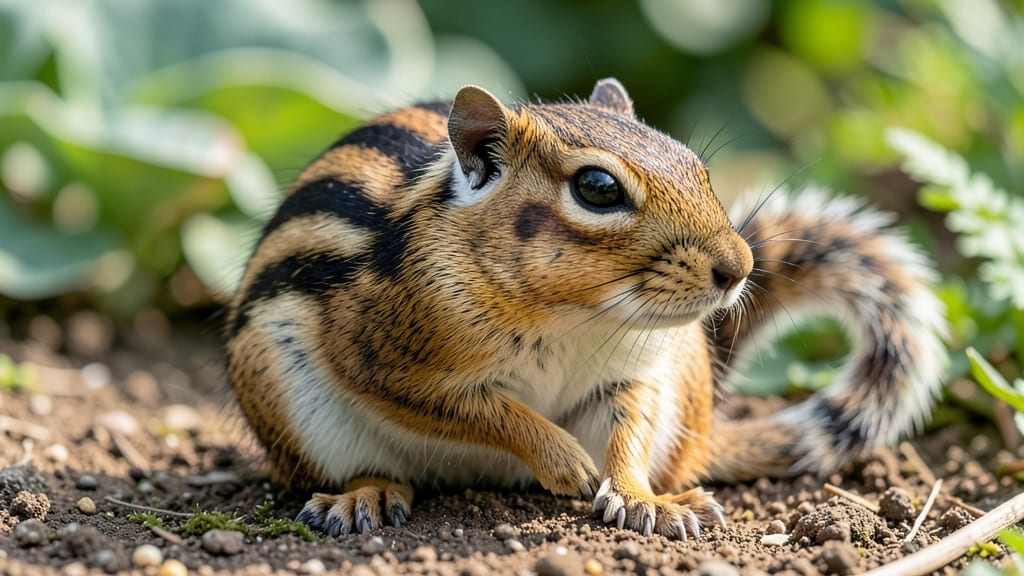
How to get rid of ground squirrels and chipmunks from your garden—those persistent pests are turning your hard work into their all-you-can-eat buffet. 🌱 I’ve spent years testing solutions—from traps to repellents—and this boiling water barrier method actually works in hours, without harming the ecosystem or your plants. The key is timing and placement. When you spot their tunnels or burrows, pour boiling water directly into the entrance holes. The steam and heat force them out immediately, and they avoid those spots for weeks. It’s fast, humane, and doesn’t leave toxic residue like chemical repellents. You’ll see results within 24 hours—fewer dug-up soil, no stolen seeds, and no more tiny claws tearing through your veggies. The squirrels and chipmunks get the message without suffering, and your garden stays intact. Works for both burrowing pests and surface foragers. Here’s the step-by-step to make it foolproof—no more losing your harvest to these tiny thieves.
Root Causes of Unwanted Rodents
Ground squirrels and chipmunks may seem like harmless little critters, but when they invade your yard, garden, or home, they can quickly become a nuisance. Understanding why they’re drawn to your property is the first step in effectively deterring them.
These small mammals are opportunistic foragers, and their behavior is driven by a mix of survival instincts, environmental factors, and human activity. Let’s break down the key reasons they show up uninvited.
Ground squirrels and chipmunks are omnivorous scavengers, meaning they’ll eat just about anything—seeds, nuts, fruits, insects, and even pet food. If your property offers easy access to food sources, you’ve essentially rolled out the welcome mat for these critters.
- Gardens & Landscaping: Vegetable gardens, fruit trees, and flowering plants (especially those with seeds or nuts) are like an all-you-can-eat buffet. Chipmunks, in particular, are notorious for burying food and forgetting where they stashed it, which means they’ll keep digging up your yard.
- Pet Food & Bird Feeders: Leaving pet food outside or installing bird feeders without proper precautions can attract squirrels and chipmunks. These rodents are quick learners and will associate your home with free meals.
- Compost Piles & Trash: Organic waste, like compost or unsecured trash bins, provides a smorgasbord of scraps. Ground squirrels will dig through trash, while chipmunks may raid compost piles for easy snacks.
- Crop Fields & Orchards: If you live near agricultural areas, these rodents may venture into your yard in search of spilled grains, fallen fruits, or young shoots.
Actionable Insight: Reducing food sources is one of the most effective ways to discourage these pests. Store pet food indoors, secure trash cans with bungee cords or locks, and consider using squirrel-proof bird feeders.
Ground squirrels and chipmunks seek out areas that provide protection from predators, weather, and human interference. Your property might unknowingly offer the perfect hideout for them.
- Burrowing Opportunities: Ground squirrels are expert diggers and will create burrows in loose, sandy, or well-drained soil. If your yard has open ground, they’ll excavate tunnels under patios, decks, or even lawn furniture.
- Structural Entry Points: Chipmunks are agile climbers and will squeeze into tiny gaps—even as small as a quarter—to nest in sheds, garages, attics, or wall voids. They prefer dry, insulated spaces to raise their young.
- Dense Vegetation & Brush Piles: Tall grass, thick shrubs, or stacked firewood provide cover from hawks, cats, and other predators. These rodents will nest in these areas, especially if they’re close to food sources.
- Human-Made Structures: Piles of debris, unsealed vents, or gaps in fences create ideal nesting spots. Ground squirrels may even dig under sheds or porches if the soil is soft.
Actionable Insight: Eliminate potential nesting sites by trimming vegetation, sealing entry points with steel wool or caulk, and storing firewood at least 20 feet away from your home. For burrowing squirrels, consider installing hardware cloth barriers around vulnerable areas.
These rodents don’t invade randomly—their behavior is tied to seasonal changes, weather patterns, and natural instincts. Understanding their timeline can help you predict and prevent their visits.
- Spring & Early Summer – Breeding Season: During mating season (typically spring), male ground squirrels and chipmunks become more aggressive and roam farther in search of mates. Females, meanwhile, seek out safe nesting sites to raise their young, often choosing areas with abundant food.
- Fall – Food Storage & Hibernation Prep: Chipmunks are famous for their cheek pouches, which they use to store food for winter. If your yard has nuts, seeds, or fallen fruits, they’ll cache them—sometimes right in your garden. Ground squirrels, while not true hibernators, become more active in preparing for colder months.
- Drought or Flooding – Forced Relocation: Extreme weather can disrupt natural habitats, pushing squirrels and chipmunks to seek out new territories. A dry spell might expose their burrows, while heavy rains can flood them out, forcing them to dig elsewhere.
- Urbanization & Habitat Loss: As natural habitats shrink due to development, these rodents adapt by moving into suburban and urban areas. Your yard might be the closest “wild” space they’ve found.
Actionable Insight: Time your deterrence efforts with their seasonal behaviors. For example, seal entry points in early spring before breeding season, and remove food sources in fall to discourage caching.
Sometimes, the reason these pests show up is directly tied to human behavior. Even well-meaning actions can inadvertently encourage ground squirrels and chipmunks to stick around.
- Landscaping Practices: Overwatering lawns or using mulch that retains moisture can create ideal conditions for burrowing. Conversely, dry, compacted soil may force squirrels to dig elsewhere—but not always in a place you’ll like.
- Improper Waste Management: Leaving fallen fruits from trees, unharvested vegetables, or even a single dropped nut can signal to these rodents that your property is a reliable food source.
- Attracting Other Pests: Rodents follow other critters. For example, if you have a mouse problem, chipmunks may move in to take advantage of the same food and shelter. Similarly, ants or beetles can draw squirrels to your yard.
- Lack of Natural Predators: In suburban areas, natural predators like foxes, owls, or snakes are often absent. Without these checks, squirrel and chipmunk populations can explode.
Actionable Insight: Audit your property for unintentional “invitations.” Remove standing water, secure trash, and avoid over-fertilizing lawns, which can attract insects that, in turn, attract rodents.
By addressing these root causes—food, shelter, seasonal triggers, and human habits—you can create an environment that’s far less appealing to ground squirrels and chipmunks. The key is proactive prevention: make your property less hospitable, and these pests will take the hint and move on.
Practical Fixes for Squirrels & Chipmunks
Now that you understand why these furry pests invade your space, it’s time to take action. Below are targeted solutions based on the root cause of your problem—whether it’s food attraction, nesting habits, or structural vulnerabilities.
Each method is designed to be effective, safe, and easy to implement, with prevention tips to keep them away long-term.
If squirrels and chipmunks are drawn to your yard or home because of food, the first step is eliminating their buffet.
🔥 Step 1: Secure Food Sources
- Store pet food indoors—even a small bowl left outside can attract pests.
- Use airtight containers for trash, compost, and birdseed (squirrels love birdseed!).
- Clean up fallen fruit, nuts, or seeds from trees and gardens immediately.
🍳 Step 2: Remove Nesting Materials
- Rake up leaf piles, twigs, and debris—these create cozy hiding spots.
- Trim overgrown bushes and vines near your home to block easy access.
- Check for gaps in sheds, garages, or crawl spaces where they might nest.
👨🍳 Step 3: Natural Repellents
- Spray peppermint oil or vinegar around entry points (they hate the smell!).
- Use predator urine (coyote or fox)—available at garden stores, it mimics natural threats.
- Plant squirrel-resistant plants like daffodils, marigolds, or lavender near problem areas.
💡 Pro Tip: If you have a bird feeder, consider a squirrel-proof model with a baffle—it saves you from both pests and your feathered friends!
If they’re sneaking into your home, garage, or shed, sealing entry points is key.
🔪 Step 1: Inspect & Seal Gaps
- Check for holes (even as small as a quarter!) in siding, vents, and foundations.
- Use steel wool + caulk (they can’t chew through it!) or hardware cloth for larger gaps.
- Install door sweeps on garage and pet doors to block tiny intruders.
⏰ Step 2: Install Physical Barriers
- Place wire mesh (1/4-inch or smaller) over vents and chimneys.
- Use a boiling water barrier (as mentioned in the article title!)—pour it along burrow entrances to force them out.
- Set up humane traps (like the Havahart model) near entry points, then relocate them far from your home.
✨ Prevention Tip: Trim tree branches away from your roof—squirrels use them as highways!
If your entire yard is a squirrel and chipmunk hotspot, landscape changes can help.
🌡️ Step 1: Reduce Hiding Spots
- Keep grass short—tall grass gives them cover to dig and nest.
- Remove woodpiles and rock piles (they love nesting in them).
- Install a gravel border around garden beds—it’s harder for them to dig.
🎯 Step 2: Use Motion-Activated Deterrents
- Solar-powered sprinklers (like the ScareCrow) spray water when they approach.
- Predator decoys (fake owls or snakes) can scare them off temporarily.
- Ultrasonic repellents (though effectiveness varies, some swear by them).
💡 Pro Tip: Plant bulbs like tulips or crocuses—squirrels dislike their strong scent!
If DIY methods aren’t working, it’s time to call in reinforcements.
- Pest control experts can use exclusion techniques (sealing + trapping) for a long-term fix.
- Wildlife removal services safely relocate animals if they’ve taken up residence in your walls or attic.
Final Reminder: Consistency is key! Combine multiple methods** (sealing + repellents + habitat changes) for the best results. Once you’ve addressed their food, shelter, and entry points, your yard—and home—will be much less appealing to these tiny troublemakers. 🚫🐿️💨
Frequently asked questions
Is boiling water safe to use around pets or children?
Yes, but with precautions! Boiling water is safe as long as you use it only on targeted burrow entrances and keep pets and kids at least 10 feet away during application. The steam dissipates quickly, so there’s no lingering danger. Always supervise children and keep pets indoors during treatment to avoid accidental contact.
How often should I reapply the boiling water method?
Reapply every 3-5 days for the first week, then reduce to once a week until you stop seeing new burrow activity. These pests learn quickly—consistency is key! After 2-3 weeks of no signs, you can taper off to monthly maintenance treatments during active seasons (spring/fall).
Will this method work for squirrels in my attic or walls?
No, boiling water only works for ground-level burrows. For attics or walls, you’ll need to seal entry points with steel wool or hardware cloth and use humane live traps (like Havahart) to safely relocate them. The boiling water technique targets surface-dwelling pests that create visible tunnels in your yard.
What’s the best time of day to treat burrows?
Early morning or late evening (6-8 AM or 6-8 PM) works best. These pests are most active during dawn/dusk, so you’ll catch them near their entrances. Avoid midday when they’re typically inactive underground. Also, wait for dry, calm weather—wind can scatter the steam and reduce effectiveness.
Can I mix anything with the boiling water for better results?
Yes! Add 1 tablespoon of dish soap per gallon of boiling water to break surface tension and help it penetrate deeper into burrows. Avoid harsh chemicals—stick to natural repellents like peppermint oil (10 drops per gallon) or vinegar for added deterrence. Never use bleach or pesticides near edible plants or water sources.