
How To
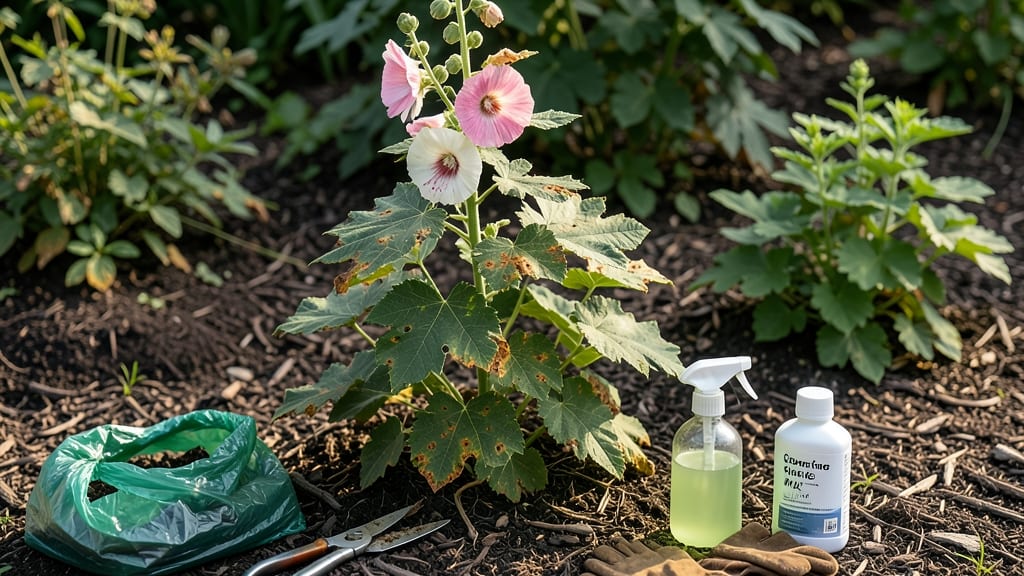
How to get rid of hollyhock rust turns your garden drama into a fungal nightmare. 🌿 Those orange pustules on leaves aren't just unsightly—they weaken plants fast. But here's the good news: you can stop it without harsh chemicals, and I'll show you exactly how in just three straightforward steps. The culprit? A fungus called Puccinia malvacearum that thrives in damp, crowded conditions. My hollyhocks used to look like rusty fireworks every summer until I learned to break its cycle. The key is acting fast—once the spores spread, they're nearly impossible to contain completely. You'll remove infected leaves, treat plants with a simple homemade spray, and adjust your garden habits to starve the fungus next season. Within weeks, your hollyhocks will bounce back with fresh, healthy foliage that actually looks like the flowers you planted. This method works for both established gardens and new plantings. The secret is consistency—just 15 minutes every week keeps your hollyhocks thriving all season long.
Root Causes Of Hollyhock Rust
Hollyhock rust (Puccinia malvacearum) thrives when specific conditions align, turning your vibrant blooms into a patchwork of unsightly orange pustules. Understanding the why behind this fungal foe is the first step to stopping it in its tracks.
Let’s break down the key triggers—so you can outsmart the problem before it spreads.
---
Hollyhock rust spreads via spores, and these microscopic invaders need high humidity to germinate and infect your plants. Here’s how moisture plays a role:
- Prolonged Leaf Wetness: Rust spores require 6–12 hours of moisture on leaf surfaces to activate.
Heavy dew, frequent rain, or overhead watering (especially in the evening) creates the perfect breeding ground. - Poor Air Circulation: Dense hollyhock foliage or overcrowded plants trap humidity, giving spores a cozy environment to multiply. 🌬️ Pro Tip: Prune plants to improve airflow—this disrupts the fungus’s lifecycle. - Morning Dew: While dew itself isn’t harmful, if it lingers until midday, it extends the moisture window for spores. Solution: Water hollyhocks in the early morning so leaves dry by afternoon.
Fun Fact: Rust spores can travel miles on wind currents, so even if your neighbor’s hollyhocks are infected, your plants could catch it without direct contact.
---
A healthy hollyhock is resilient, but stress opens the door for rust. Common stressors include:
- Nutrient Deficiencies: Low iron, nitrogen, or zinc weakens cell walls, making plants more susceptible. 🌱 Fix: Test soil pH (ideal: 6.0–7.0) and amend with compost or a balanced fertilizer. - Physical Damage: Torn leaves or stems from hail, pests (like aphids), or rough handling create entry points for spores. - Overwatering or Drought: Both extremes stress plants. Overwatering leads to root rot and poor drainage, while drought weakens roots. Balance is key: Water deeply 1–2 times per week, ensuring the top 2 inches of soil dry out between sessions.
--- Rust thrives in temperate to warm climates (60–80°F / 15–27°C), especially when combined with: - High Humidity: Coastal regions or areas with poor drainage are hotspots for rust outbreaks. - Seasonal Timing: Spores germinate most aggressively in late spring to early summer, when days are warm but nights remain cool and damp.
💡 Prevention Hack: If you live in a rust-prone zone, plant hollyhocks in full sun (6+ hours daily) to dry leaves faster and reduce spore survival.
--- Fungal spores are sneaky hitchhikers.
They can lurk on: - Gardening Tools: Pruners, shears, or rakes used on infected plants may transfer spores to healthy ones. Always sanitize tools with a 10% bleach solution (1 part bleach to 9 parts water) between uses. - Infested Plant Debris: Leaving rust-covered leaves or stems in the soil over winter keeps spores alive, ready to reinfect next season. Remove and destroy all infected plant material—do not compost it!
--- Not all hollyhocks are equally resistant. Single-flowered varieties (like ‘Benary’s Giant’) are more vulnerable than double-flowered types (e.g., ‘Lady Alice’), which have denser petals that trap spores but may also limit airflow. Hybrid hollyhocks (e.g., Alcea rosea crosses) often show better resistance.
🎯 Action Step: If rust is recurrent, consider switching to rust-resistant cultivars or interplanting with marigolds or garlic—their natural antifungal properties deter spores.
--- Splashing water onto leaves directly spreads spores from infected to healthy plants. Unlike drip irrigation or soaker hoses, overhead sprinklers: - Disperse spores like a fungal snowball fight. - Keep leaves wet longer, extending the infection window.
Swap to: Drip irrigation or water at the base of plants to keep foliage dry. If you must use a hose, aim for the soil, not the leaves.
Quick Fixes for Rusty Hollyhocks
Rust on your hollyhocks doesn’t have to be a lost cause—with the right approach, you can revive your plants and prevent future outbreaks. Below are practical, fungicide-free solutions tailored to the root causes of hollyhock rust, from immediate fixes to long-term prevention.
Let’s get your garden back to its vibrant best!
---
Cause: Fungal spores thrive on decaying plant matter, spreading to healthy leaves. Fix: - 🔪 Prune aggressively: Snip off all leaves with rust spots (orange-brown pustules) using sterilized pruners (wipe with rubbing alcohol between cuts). Drop infected leaves into a sealed bag—do not compost them. - 🧹 Clear the area: Sweep up fallen leaves and debris around the base of plants. Rust spores can linger in soil for years! - 💡 Pro Tip: Wear gloves to avoid spreading spores to other plants. Dispose of pruned material in the trash, not your yard waste bin.
---
Cause: Overcrowded plants and wet foliage create the perfect humidity for rust spores to germinate. Fix: - 🌬️ Space them out: Thin hollyhocks so they’re 12–18 inches apart for better airflow. If they’re in containers, ensure pots aren’t packed tightly. - 🌧️ Water at the base: Avoid overhead watering, which soaks leaves and encourages rust. Use a soaker hose or watering can with a narrow spout to direct moisture to the soil. - ☀️ Morning sunlight: Water early in the day so leaves dry quickly. Wet leaves left overnight = rust buffet for spores. - ✨ Bonus: Mulch around the base with straw or wood chips (2–3 inches deep) to reduce soil splatter onto leaves.
---
Cause: Weak or nutrient-deficient hollyhocks are more susceptible to fungal attacks. Fix: - 🍄 Feed them right: Apply a balanced organic fertilizer (like 5-5-5) in early spring and mid-summer. Hollyhocks love phosphorus and potassium for strong growth. - 💧 Deep watering: Instead of frequent shallow watering, give plants 1–2 inches of water per week (including rain). Deep roots = tougher plants. - 🌱 Companion planting: Interplant hollyhocks with garlic, chives, or thyme—their antifungal properties deter rust spores naturally.
---
Cause: Spores can reinfect even after cleanup if preventive measures aren’t in place. Fix: - 🍋 Baking soda spray: Mix 1 tsp baking soda + 1 tbsp vegetable oil + 1 tsp mild soap + 1 gallon water. Spray under leaves weekly during humid months. (Test on a small area first!) - 🌿 Neem oil: A natural fungicide, neem oil smothers spores and prevents new infections. Spray every 7–10 days (follow label instructions). - 🍎 Copper soap: For severe cases, use a copper-based fungicide (like copper sulfate) as a last resort—it’s organic but more potent.
--- To keep rust at bay for good: ✅ Rotate crops: Don’t plant hollyhocks in the same spot for 3+ years—rust spores persist in soil. ✅ Clean tools: Sterilize pruners and shears after each use to avoid cross-contamination. ✅ Choose resistant varieties: Some hollyhocks (like ‘Ladybird’) are less prone to rust—check seed packets! ✅ Fall cleanup: Remove all plant debris in autumn to starve overwintering spores.
--- Remember: Rust is manageable, not fatal! With these steps, your hollyhocks can bounce back stronger—and next season, they’ll be rust-proof champions. 🌸💪
Frequently asked questions
Can I save my hollyhocks if rust appears on the stems?
Unfortunately, rust on stems is a sign of severe infection. Prune all infected stems immediately and dispose of them in a sealed bag. The fungus can spread through the plant's vascular system, so focus on preventing further spread by treating nearby leaves with neem oil and improving airflow. If most stems are affected, consider removing the entire plant to stop the cycle.
How often should I spray baking soda solution?
Apply the baking soda spray every 7–10 days during humid months (spring to early fall). For best results, spray in the early morning when humidity is lower. Mix fresh solution each time for maximum effectiveness. Stop treatments once new growth appears healthy and rust symptoms disappear completely.
Will rust kill my hollyhocks completely?
Rust rarely kills healthy hollyhocks outright, but repeated infections weaken plants over time. With proper care—removing infected leaves, improving airflow, and using preventive sprays—your plants can recover fully. The key is acting quickly at the first sign of orange pustules. Severe cases may require removing entire plants to protect nearby garden areas.
Can I use vinegar spray instead of baking soda?
While vinegar has antifungal properties, it's too harsh for hollyhocks. A 1:1 vinegar-water solution can burn leaves and stress plants further. Stick to gentle options like baking soda spray or diluted neem oil. For stubborn cases, a copper fungicide (used carefully) may be more effective without damaging your plants.
How do I know if my hollyhocks are resistant to rust?
Rust-resistant varieties typically show fewer orange pustules even in humid conditions. Look for double-flowered types like 'Lady Alice' or 'Ladybird'. These cultivars have denser foliage that naturally repels spores better than single-flowered varieties. Check seed packets or ask your local nursery about rust-resistant hollyhock strains for your climate.