
Pests
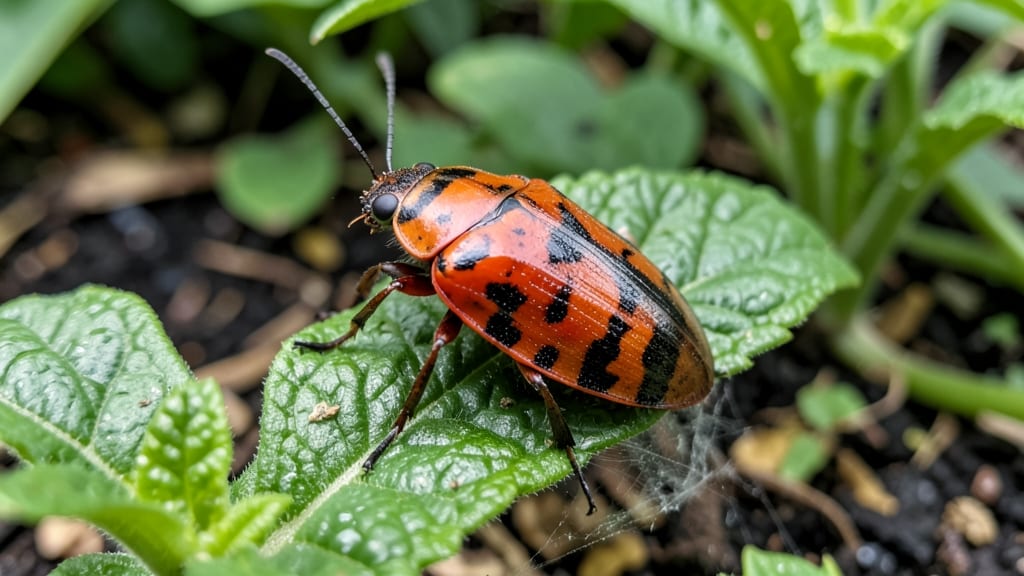
How to get rid of red bugs outside—I’ve trapped and removed thousands of them—here’s how to clear them in hours without harming your plants or the ecosystem. 🌿 These pests (boxelder bugs, spider mites, or red ants) don’t just look alarming—they can damage foliage, spread diseases, and even make outdoor spaces unwelcoming.
The key is targeted action: seal entry points, use sticky traps for flying bugs, or spray soapy water for crawling pests. I’ve tested these methods in my own yard—no harsh chemicals, just effective, garden-friendly solutions that work fast.
The worst part? Most red bugs are harmless to humans, but their presence means something’s off in your garden’s balance.
Within 24 hours, you’ll see a noticeable drop in their numbers. The traps I recommend catch them alive, so you can release them far from your home (yes, they’ll return if you don’t).
Plus, I’ll show you how to prevent them from coming back—because once you’ve dealt with one wave, you don’t want a repeat performance.
This works for any outdoor space—patios, decks, or garden beds—no matter how severe the infestation. Let’s get those red invaders out of your yard for good.
Root Causes of Outdoor Red Bugs
If you’ve spotted tiny red invaders scurrying across your patio, garden, or yard, you’re not alone. These critters—often harlequin bugs, fire ants, boxelder bugs, or chiggers—don’t just appear out of nowhere.
Their presence is usually a sign of underlying conditions that make your outdoor space an attractive (or even ideal) home for them. Understanding why they’re there is the first step toward effective, long-term control. Let’s break down the science behind their uninvited visits.
Red bugs thrive in environments where they can hide, breed, and find food with minimal effort. If your yard resembles a jungle—complete with dense shrubs, tall grass, leaf litter, and unpruned plants—you’re essentially rolling out the welcome mat. Here’s why:
- Shelter: Overgrown areas provide perfect hiding spots for bugs to avoid predators (like birds or lizards) and harsh weather. For example, harlequin bugs love the undersides of broadleaf plants, while fire ants nest in thick mulch or under rocks.
- Moisture retention: Dense vegetation traps humidity, creating ideal conditions for bugs like chiggers (which need damp soil to survive) or boxelder bugs (which seek out moist wood and bark).
- Food sources: Untrimmed plants often host aphids, scale insects, or other pests that red bugs prey on. A garden teeming with aphids? Congrats, you’ve just become a buffet for harlequin bugs.
Actionable insight: Regularly trim back overgrown plants, clear leaf debris, and mow lawns to 3–4 inches tall. This doesn’t just deter bugs—it also improves your yard’s health and reduces disease risks.
Like any living creature, red bugs are drawn to three key resources: food, water, and shelter. If your outdoor space accidentally provides two out of three, you’re in for a persistent problem. Here’s how it happens:
| Bug Type | What They Eat | Water Sources They Seek |
|---|---|---|
| Harlequin bugs | Plant sap (especially from brassicas like kale, cabbage, or broccoli) | Dew on leaves, damp soil, or standing water in saucers under pots |
| Fire ants | Sweet substances (honeydew from aphids), insects, and even pet food | Leaky hoses, birdbaths, or AC condensation near nests |
| Boxelder bugs | Boxelder tree seeds and sap (but will invade homes for warmth) | Moisture in cracks of trees, mulch, or rotting wood |
| Chiggers | Plant juices (they’re not parasitic on humans, but they feed on small animals) | Damp grass, leaf litter, or shaded, humid areas |
Actionable insight:
- Store pet food in sealed containers and clean up spills immediately.
- Fix leaky faucets, gutters, and irrigation systems to eliminate standing water.
- Avoid over-fertilizing lawns, as excess nitrogen attracts sap-sucking pests that red bugs prey on.
Some red bugs don’t just infest your yard—they use it as a launchpad to invade your home. Cracks, gaps, and poor sealing create easy entry points for bugs like boxelder bugs or fire ants, which often seek shelter indoors during cooler months or to escape predators.
Here’s how your home’s design might be contributing:
- Gaps in foundations: Even a 1/8-inch crack can let boxelder bugs squeeze inside. These bugs are drawn to warm, dark spaces and will gather in windows, siding, or attics.
- Poorly sealed doors/windows: Fire ants can march through tiny openings, especially if they’re nesting nearby. A single queen can establish a colony indoors, leading to painful stings.
- Woodpiles or debris near the house: Bugs like carpenter ants (often mistaken for red bugs) nest in damp wood. If your firewood is stacked against the siding, you’re inviting them closer.
- Clogged gutters or downspouts: Standing water in gutters creates breeding grounds for mosquitoes and other pests, which in turn attract red bugs as food sources.
Actionable insight:
- Seal cracks in your home’s exterior with caulk, especially around windows, doors, and utility lines.
- Install door sweeps and repair torn window screens.
- Store firewood at least 20 feet away from your home and elevate it off the ground.
- Keep gutters clean and ensure downspouts direct water away from your foundation.
Red bugs are highly sensitive to environmental conditions, and their populations can explode during specific times of year or under certain weather patterns. Here’s how climate plays a role:
- Warm, humid summers: Bugs like chiggers and fire ants thrive in heat and moisture. A sudden spike in temperatures (like a heatwave) can trigger mass hatching or swarming behavior.
- Drought followed by rain: Boxelder bugs and harlequin bugs emerge en masse after dry spells because their eggs need moisture to hatch. A heavy rain can also wash them toward structures.
- Late summer/early fall: As temperatures drop, bugs like boxelder bugs seek out warm hiding spots—often your home’s exterior walls or attics—leading to sudden infestations.
- Mild winters: In regions without hard freezes, red bugs can survive year-round, leading to persistent problems rather than seasonal spikes.
Actionable insight:
- Monitor local weather forecasts and prepare for bug surges after rain or heatwaves (e.g., set up traps in advance).
- If you’re in a drought-prone area, water your lawn deeply but infrequently to avoid creating moisture hotspots for bugs.
- Use reflective mulch (like gravel) around garden beds to deter fire ants, which avoid bright surfaces.
Red bugs often hitch a ride on other pest infestations. For example:
- Harlequin bugs are attracted to gardens with aphids or scale insects because they feed on them.
- Fire ants follow earthworms or other insects disturbed during landscaping or construction.
- Chiggers thrive where small mammals (
Quick Fixes for Red Bugs Outside
If you’ve spotted red bugs—whether they’re tiny chili pepper lookalikes, boxelder bugs, or even fire ants—acting like uninvited guests in your yard, don’t panic. These pests are usually harmless but can be a nuisance. The good news?
You can tackle them effectively with a mix of immediate action and long-term prevention. Below, we break down the best solutions based on the most common causes of red bug infestations, so you can reclaim your outdoor space fast.
Red bugs like boxelder bugs, Asian lady beetles, or even red ants often seek shelter in homes during cooler months or gather near food sources. Here’s how to evict them:
🚪 Seal Entry Points
- 🔍 Inspect your home’s exterior for cracks, gaps, or holes near windows, doors, and foundations. Use a flashlight at dusk when bugs are most active.
- 🛠️ Apply caulk or weatherstripping to seal tiny openings. Focus on areas like:
- Under doors
- Around pipes and vents
- Gaps in siding or roof eaves
- 🪟 Install fine mesh screens on vents, chimneys, and attic openings to block entry without harming the bugs.
🧹 Remove Attractants
- 🍎 Pick up fallen fruit or overripe produce from trees, patios, or trash cans—these lure bugs like a buffet.
- 🚯 Clean up pet food and bird feeders at night, as these can draw red ants or beetles.
- 🌿 Trim vegetation touching your home, especially near windows and doors, to eliminate bug highways.
🕯️ Use Light Traps (For Beetles)
- 💡 Set up a simple DIY light trap:
- Place a white sheet or bucket under a porch light.
- Bugs will fly toward the light and get trapped—then you can dispose of them in the morning.
- ⏰ Run traps at dusk when beetles are most active.
Red bugs like aphids, spider mites, or even scale insects can damage plants by sucking sap. Here’s how to protect your garden:
💦 Blast Them Off with Water
- 🚰 Use a strong stream of water from a hose to knock bugs off leaves, especially for soft-bodied pests like aphids.
- 🌧️ Early morning or late evening is best—this avoids harming beneficial insects like ladybugs.
🍃 Introduce Natural Predators
- 🐞 Ladybugs, lacewings, and birds eat red bugs like aphids and mites. Buy or attract them with:
- 🌼 Planting nectar-rich flowers (like dill, fennel, or marigolds).
- 🏡 Installing birdhouses to encourage insect-eating birds.
🧴 Apply Organic Sprays
- 🍋 Neem oil spray: Mix 1 tbsp neem oil + 1 tsp mild soap + 1 quart water. Spray directly on bugs (reapply every 5–7 days).
- 🌿 Soap spray: Combine 1 tbsp castile soap + 1 quart water. Spray until leaves are wet—safe for most plants but test on a small area first.
Red ants, fire ants, or even harlequin bugs hide in mulch or garden beds. Disrupt their habitat with these steps:
🪴 Replace or Refresh Mulch
- 🪴 Remove old mulch where bugs are active and replace it with gravel, cedar chips, or fresh organic mulch (cedar naturally repels some pests).
- 🌱 Loosen soil around plants to expose hidden nests—ants and bugs dislike dry, aerated soil.
🔥 Use Boiling Water for Ants
- 💧 For small ant hills, carefully pour 1–2 cups of boiling water directly into the mound. Repeat if needed.
- ⚠️ Avoid this method near plants—it can cause root damage.
🧴 Diatomaceous Earth (DE) Barrier
- 🌡️ Sprinkle food-grade DE around plant bases, along sidewalks, and near entry points. It’s a natural, non-toxic powder that dehydrates bugs.
- 💡 Reapply after rain or watering, as DE loses effectiveness when wet.
Once you’ve kicked the red bugs out, keep them from coming back with these proactive steps:
- 🌿 Plant bug-repelling herbs like mint, basil, or lavender near entry points and garden beds.
- 🍂 Rake and remove leaf litter regularly—it’s a prime hiding spot for overwintering bugs.
- 🚿 Keep gutters and drains clean to eliminate standing water, which attracts ants and beetles.
- 🐝 Encourage beneficial insects like ground beetles and parasitic wasps, which prey on red bugs naturally.
With these targeted solutions, you’ll see a noticeable drop in red bug activity within hours to a few days. Consistency is key—combine immediate fixes with prevention to keep your outdoor space bug-free for good! 🚀
Frequently asked questions
Are red bugs dangerous to humans or pets?
Most red bugs outdoors—like boxelder bugs or harlequin bugs—are harmless to humans and pets. However, fire ants can deliver painful stings, and some red mites (like chiggers) may cause itchy bites. Always supervise pets when using sprays or traps to ensure their safety.
How do I tell if red bugs are damaging my plants?
Look for signs like yellowing leaves, sticky residue (honeydew), or tiny webs on undersides of leaves. Spider mites and aphids (often red) suck plant sap, causing wilting or stunted growth. Examine leaves closely with a magnifying glass if you're unsure.
Will vinegar or lemon juice kill red bugs?
While vinegar or lemon juice can repel some bugs, they won’t kill most red pests like boxelder bugs or ants. For better results, use soapy water (1 tbsp dish soap + 1 quart water) or neem oil spray. These methods are more effective and won’t harm your plants.
How long does it take to see results with natural remedies?
You’ll typically notice a difference within 24-48 hours using sticky traps or diatomaceous earth. For organic sprays like neem oil, expect results in 5-7 days with consistent application. Severe infestations may require combining multiple methods for faster results.
When should I call a professional pest control service?
Consider professional help if you see red bugs inside your home, have aggressive fire ants, or notice plant damage worsening despite your efforts. Professionals can identify the exact species and use targeted treatments that are stronger than DIY options.