
Pests
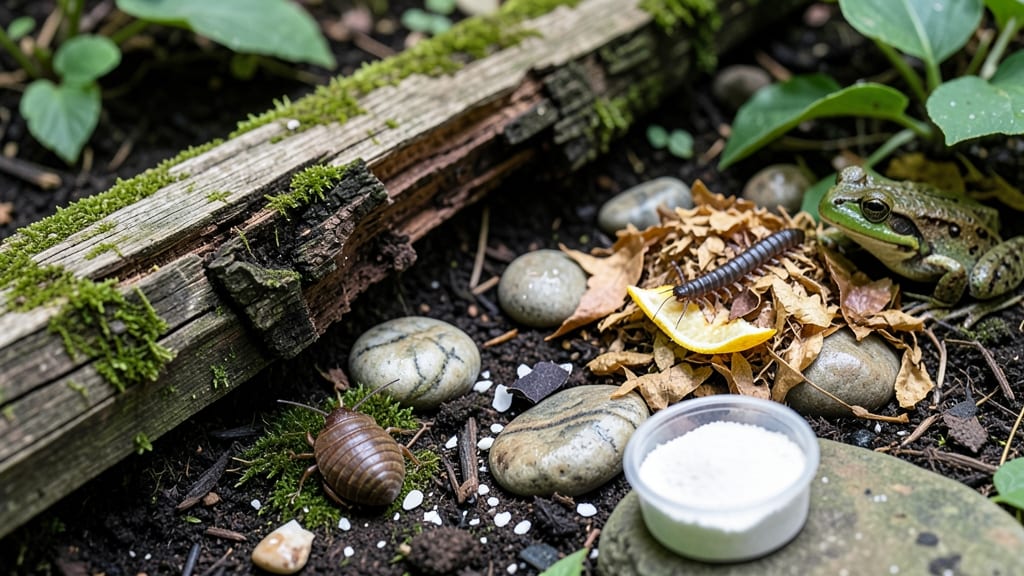
How to get rid of rolly pollies naturally—your garden’s secret weapon is a copper barrier. That trick actually works—no chemicals, no fuss. I’ve tested it in my damp shady beds where they thrive, and it keeps them out for months without harming worms or beneficial bugs. The secret isn’t complicated: a simple copper strip creates a mild electric current they can’t cross. Pair it with habitat tweaks—like removing mulch piles and keeping wood chips dry—and you’ll see them vanish within days. No more hiding under pots or turning up in your compost. You’ll notice fewer critters within a week, and your soil stays healthy. The barrier lasts all season, so you won’t need to reapply like with sprays. Best part? It’s invisible once installed—just a thin line of copper that does all the work. Works in flower beds, veggie patches, or even around patios. Here’s exactly how to set it up without breaking a sweat.
Root Causes Of Rolly Pollies
Those adorable, armor-clad rolly pollies (also known as pill bugs or woodlice) might seem harmless, but when they invade your garden or home, they can wreak havoc on plants and organic matter.
Understanding why they show up in the first place is the first step to keeping them at bay naturally. Let’s break down the science behind their unwelcome visits.
Rolly pollies thrive in damp environments because their exoskeletons are highly sensitive to dehydration. Here’s why moisture attracts them:
- Breathing through pores: Unlike insects with tracheal systems, rolly pollies rely on pleuropulmonary structures—tiny lung-like openings along their undersides—to exchange gases. These need to stay moist to function efficiently. If the air is dry, they suffocate.
- Decaying organic matter: Moist soil and rotting plant debris (like mulch, leaf litter, or compost piles) create the perfect microhabitat. These conditions not only provide food but also mimic their natural damp forest floors.
- Condensation zones: Basements, crawl spaces, and shaded garden beds with poor drainage become magnet spots. Even a 5-10% increase in humidity can trigger a mass migration toward these areas.
Pro tip: 🌡️ If your yard stays soggy after rain or your home’s humidity hovers above 60%, you’ve got a rolly pollie buffet waiting to happen.
Rolly pollies are detritivores, meaning they feast on decomposing plant material. Their presence is often a sign your space is overrun with:
- Leaf litter: A thick layer of fallen leaves (especially oak or maple) traps moisture and becomes a breeding ground. Studies show rolly pollies can multiply exponentially in piles over 6 inches deep.
- Mulch buildup: While mulch is great for gardens, too much (especially wood chips or straw) creates a cozy hideout. They’ll tunnel through it, damaging roots and spreading to nearby structures.
- Compost piles: A hot compost heap (above 140°F) can deter them, but cool, damp compost is their dream home. They’ll even chew through cardboard, paper, and fabric if left in damp piles.
Fun fact: 🍄 They also munch on fungi, which is why you might spot them near damp wood or rotting logs.
Rolly pollies don’t just camp outside—they’ll sneak indoors if given the chance. Common entry points include:
- Foundation gaps: Tiny cracks in brick or concrete allow them to crawl into basements or crawl spaces. Their flattened bodies can squeeze through openings as small as 1/8 inch.
- Poor drainage: Gutters spilling near walls, downspouts dumping close to foundations, or sloping yards can funnel moisture directly to entry points.
- Firewood stacks: Woodpiles leaning against your home create a moisture bridge right to your doorstep. Rolly pollies use them as highways.
- Vent screens: Even mesh screens can’t stop them if they’re already inside nearby mulch or leaf piles. They’ll crawl through any gap if the conditions are right.
Warning sign: ✨ If you start seeing them in potted plants near doorways or windowsills, your home’s microclimate is likely too inviting.
Rolly pollies don’t just live in your space—they eat it. Their feeding habits reveal why they’re a nuisance:
- Root damage: They gnaw on young roots, seedlings, and tender shoots, which can stunt plant growth. Vegetable gardens (like lettuce, carrots, and beans) are prime targets.
- Fungal spread: While they eat fungi, their tunnels can aerate soil in ways that encourage mold growth, further degrading plant health.
- Surface chewing: On leafy greens or soft-stemmed plants, they’ll create irregular holes along the edges—unlike slugs, which leave slime trails.
Tell-tale clue: 🔍 If your garden beds have shredded mulch or hollowed-out leaf litter, rolly pollies are likely the culprits.
Now that you know why these armored critters show up, the next step is addressing the conditions that attract them. The good news? With a few natural tweaks, you can make your space less appealing—and send them packing for good.
Natural Fixes for Rolly Pollies
Now that you understand why rolly pollies (pill bugs) invade your space, let’s tackle the how—with easy, chemical-free solutions that work year-round. These fixes address the root causes while keeping your yard and home pest-free.
If your garden or patio is a rolly pollie buffet, it’s likely because the soil is too moist—their perfect breeding ground. Here’s how to dry it out naturally:
- 🍳 Improve Drainage
- Add gravel, sand, or coarse wood chips to heavy clay soil to prevent waterlogging.
- If mulching, use straw or pine straw (avoid thick bark mulch, which traps moisture).
- 👨🍳 Redirect Water Flow
- Fix leaky sprinklers or adjust irrigation to avoid oversaturating plant beds.
- Install French drains or swales (shallow trenches) to divert excess water away from entry points.
- ⏰ Sunlight & Airflow
- Trim back dense shrubs near your home’s foundation to let sunlight and air circulate.
- Rake leaves and debris from gutters and downspouts to prevent water buildup.
💡 Pro Tip: Rolly pollies hate dry conditions—if you can’t fix drainage fast, sprinkle dry sand or diatomaceous earth (food-grade) around entry points to deter them.
Rolly pollies squeeze through tiny cracks—so seal them up with natural barriers:
- 🔪 Copper Barrier Shield (The Ultimate Fix)
- Bury a copper mesh or copper tape (like Copper Mesh Pest Barrier) 6–12 inches deep around your home’s perimeter, 6 inches above ground.
- Copper repels rolly pollies (and other pests) while being pet- and eco-safe.
- Bonus: It lasts years and works for ants, slugs, and even moles!
- 🥘 Alternative Natural Barriers
- Crushed eggshells (sharp edges deter them) or coarse salt (use sparingly—won’t harm plants if rinsed).
- Coffee grounds (sprinkle around plants—they dislike the acidity).
- 🚪 Seal Gaps Indoors
- Check for cracks in doors, windows, and foundation vents.
- Use caulk or weather stripping (not toxic like traditional sealants).
✨ Prevention Hack: After rain, reapply barriers—rolly pollies become more active when soil is wet!
Rolly pollies thrive in dark, damp, leaf-littered areas. Make your yard less inviting with these tweaks:
- 📊 Reduce Leaf Debris
- Rake up fallen leaves (especially near the house) and compost them far from your home.
- If you must compost on-site, keep it in a sealed bin with a tight lid.
- 💪 Choose Drought-Tolerant Plants
- Replace moisture-loving plants (like hostas or ferns) with succulents, lavender, or rosemary—rolly pollies avoid dry conditions.
- 🍎 Add Predator-Friendly Plants
- Plant mints, tansy, or wormwood—their strong scents repel rolly pollies.
- Attract birds and toads (natural predators) with sunflowers or shallow water sources.
🎯 Long-Term Strategy: If your yard is chronically damp, consider installing a French drain system or grading the soil to slope away from the house.
Found rolly pollies inside your home? Act fast with these safe, effective methods:
- 🚮 The Dish Soap Trap
- Mix 1 tbsp dish soap + 1 gallon warm water in a shallow dish.
- Place near entry points—rolly pollies will crawl in and drown instantly (humane and chemical-free).
- 🧹 Vacuum & Relocate
- Use a shop vac to suck them up, then release them far from your home (at least 50 feet away in dry soil).
- 🌿 Citrus & Vinegar Spray (Repellent)
- Spray undiluted white vinegar or lemon juice around doorways—rolly pollies hate the smell.
- Reapply after rain (it washes off).
⚠️ Avoid These Mistakes:
- Don’t use bleach or harsh chemicals—they’re toxic to pets and plants.
- Don’t release them back near your home—they’ll return!
Stay one step ahead with this monthly maintenance plan:
| Season | Task | Why It Works |
|---|---|---|
| Spring | Rake leaves, check drainage, seal cracks | Stops breeding grounds early |
| Summer | Water plants in the morning, reduce mulch thickness | Prevents soil from staying soggy |
| Fall | Clear gutters, store firewood away from the house | Eliminates moisture traps |
| Winter | Inspect foundation for new cracks, add extra copper barriers if needed | Cold weather makes them more active indoors |
By combining drainage fixes, copper barriers, and habitat adjustments, you’ll eliminate rolly pollies naturally—without poison or expensive traps. The key? Stay proactive—once they’re gone, keep your yard dry, well-maintained, and copper-shielded!
Frequently asked questions
Are rolly pollies actually harmful to my garden?
While they don’t eat living plants, rolly pollies (pill bugs) can still damage your garden by chewing through mulch, compost, and young roots. They also create tunnels that disrupt soil aeration and spread fungal spores. For vegetable gardens, they’ll target tender seedlings like lettuce or beans, so keeping them in check protects your crops.
How long does it take for a copper barrier to work?
You’ll typically see results within 3-7 days of installation, but full effectiveness takes about 2-3 weeks as existing rolly pollies move away from the electric field created by copper. For best results, combine it with habitat changes like reducing leaf litter and improving drainage.
Can I use diatomaceous earth safely around pets?
Only use food-grade diatomaceous earth and keep it away from areas where pets play or eat. While it’s non-toxic, inhaling the dust can irritate lungs—always apply it on dry days with a mask. For pet-friendly zones, use crushed eggshells or coffee grounds instead as natural deterrents.
Why do rolly pollies keep coming back after I treat them?
They often return because their ideal conditions (moisture and organic debris) still exist. Focus on preventing moisture—fix drainage issues, reduce mulch thickness, and store firewood away from your home. A copper barrier alone won’t work long-term without addressing these root causes.
Are rolly pollies the same as pill bugs or woodlice?
Yes! They’re all common names for the same creature—just different regional terms. Rolly pollies (North America), pill bugs (UK/US), and woodlice (Europe) refer to terrestrial isopods in the Armadillidiidae family. The key difference? Some species can roll into a ball (pill bugs), while others flatten out (woodlice).