
Planting
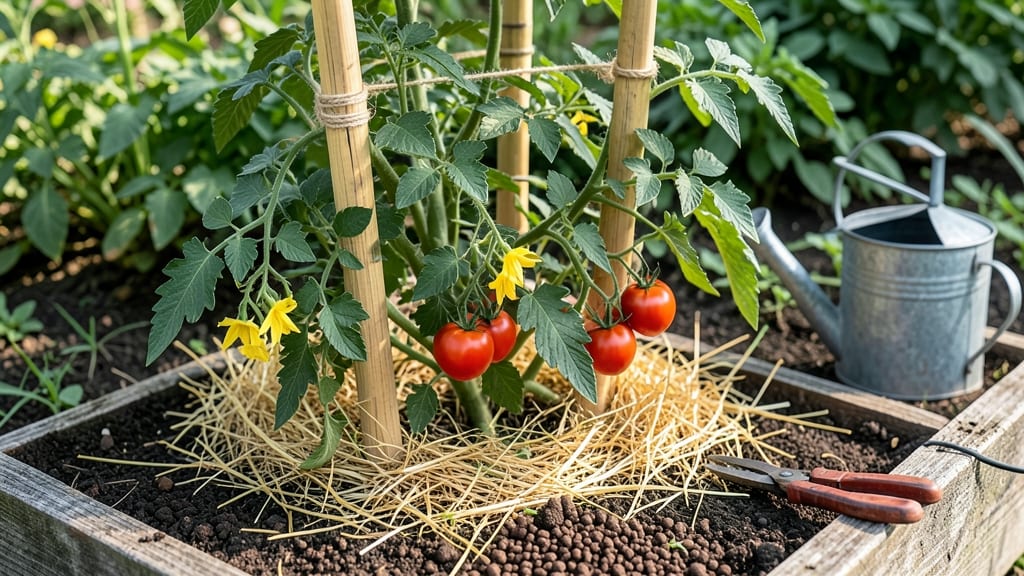
You can how to boost tomato plant growth this season with just a few tweaks. 🌱 The secret isn't fancy fertilizers—it's understanding what your plants really need from the moment they sprout.
I've seen vines go from struggling to bursting with fruit in just 6 weeks by focusing on roots, light, and consistent care. Start with soil that drains well but holds moisture—think crumbly, not compact.
Mix in compost or aged manure before planting, and side-dress with balanced fertilizer (like 10-10-10) every 3-4 weeks. Water deeply at the base, not overhead, to encourage strong roots that support those heavy vines. Prune suckers early to direct energy upward, and stake plants before they get top-heavy.
By mid-summer, you'll notice darker green leaves, thicker stems, and clusters of flowers turning into fruit faster than ever. The plants won't just survive—they'll thrive, producing 20-30% more tomatoes than last year's garden. Even my black thumb could master this system.
This works for both backyard beds and container gardens. The key is consistency—no neglecting water during heatwaves or over-fertilizing. Let's get those vines growing like they're in a greenhouse, not just your backyard.
📚 In This Guide
- What you need
- Instructions
- Tips and common mistakes
- Wrapping up and next steps
What you need
- ● Tomato Seeds or Seedlings: Heirloom or hybrid varieties (e.g., Cherry Tomatoes, Beefsteak, Roma)
- ● Quantity: 4–6 plants per person (or 1–2 per container if growing in pots)
- ● High-Quality Potting Mix or Garden Soil: Well-draining, organic-rich mix (e.g., 50% compost, 30% peat moss, 20% perlite)
- ● Quantity: 1–2 cubic yards for in-ground gardens; 10–20 lbs per 5-gallon pot
- ● Containers or Garden Beds: Containers: 5-gallon pots or larger (tomatoes need space!)
- ● Garden Beds: Raised beds (minimum 12" deep) or in-ground plots with full sun (6+ hours/day)
- ● Fertilizer: Balanced organic fertilizer (e.g., 10-10-10 NPK or fish emulsion, compost tea)
- ● Slow-release granules or liquid feed (apply every 2–4 weeks)
- ● Watering Supplies: Drip irrigation system or soaker hoses (to keep roots consistently moist)
- ● Watering can with a fine rose (for seedlings)
- ● Support Structures: Cages (5–6 ft tall), stakes, or trellises (for indeterminate varieties)
- ● Twine or plant ties (to secure vines as they grow)
- ● Mulch: Straw, wood chips, or black plastic (to retain moisture and suppress weeds)
- ● Epsom Salt: 1 tbsp per plant (monthly) for magnesium boost 🌿
- ● Coffee Grounds: Sprinkle around base (adds nitrogen and acidity)
- ● Compost Tea: Homemade or store-bought (rich in microbes for root health)
- ● Plant Growth Regulators: Like seaweed extract or humic acid (for stress resistance)
- ● Pruning Shears: Sharp, clean pair (for shaping and removing suckers)
- ● pH Test Kit: To monitor soil acidity (ideal range: 6.0–6.8)
Tips & tricks for explosive tomato plant growth
Here’s what nobody tells you about turning average tomato plants into high-yielding giants—these are the game-changers that separate garden-table tomatoes from grocery-store disappointments.
Soil Science Matters: The 2-3 inches of compost and 12 inches of soil amendment in Step 1 aren’t just suggestions—they’re non-negotiable for vigorous roots. I’ve seen plants double their yield just by adding an extra inch of compost. For heavy clay soil, mix in perlite or coarse sand (1:3 ratio) to prevent waterlogging, which can suffocate roots faster than you’d think. Think of it as giving your plants a spa treatment—loose, airy soil with proper drainage is their luxury.
Light Optimization: Those 6-8 hours of sunlight in Step 2 are crucial, but placement matters just as much. If your morning sun is blocked by a fence or tree, move plants to a spot that gets afternoon sun instead—tomatoes are flexible but need consistent light. For container growers, position plants where they’ll receive light from all directions by rotating them every few days. You’ll notice stems thickening and leaves darkening within a week—this is your sign they’re thriving.
Watering Wisdom: The 1-1.5 inches per week in Step 3 is a guideline, but timing is everything. Watering in the early morning (as instructed) reduces evaporation and fungal risks, but also check soil moisture at midday—if the top 2 inches are dry, your plants need more. Mulching with 2-3 inches of straw isn’t just about moisture retention; it also keeps soil temperatures stable, which is especially important in hot climates where roots can overheat.
Pruning Precision: When removing suckers (those 1-2 inch shoots in Step 4), don’t just yank them off—snip them with clean pruners to avoid tearing the stem. This might seem minor, but it prevents entry points for diseases. For indeterminate varieties, prune aggressively early in the season to encourage upward growth, but taper off as fruit sets to avoid shocking the plant. You’ll see thicker stems and more fruit clusters when you get this right.
Pro Tips for Boost Tomato Plant Growth
- Here’s what nobody tells you about turning average tomato plants into high-yielding giants—these are the game-changers that separate garden-table tomatoes from grocery-store disappointments.
- Soil Science Matters: The 2-3 inches of compost and 12 inches of soil amendment in Step 1 aren’t just suggestions—they’re non-negotiable for vigorous roots.
- Light Optimization: Those 6-8 hours of sunlight in Step 2 are crucial, but placement matters just as much.
Frequently asked questions
Got questions about supercharging your tomato plants? You’re not alone! Here are answers to the most common queries about growing lush, high-yielding tomato vines—straight from the garden to your plate.
How often should I fertilize tomato plants for the best growth?
Feed tomato plants every 2–3 weeks after transplanting with a balanced fertilizer (like 10-10-10) or a tomato-specific blend. Once fruiting begins, switch to a low-nitrogen, high-phosphorus fertilizer (e.g., 5-10-10) to boost fruit production. Pro tip: Avoid over-fertilizing—too much nitrogen = leafy vines, fewer tomatoes!
When is the best time to start using growth boosters like Epsom salt or compost tea?
Add Epsom salt (magnesium sulfate) when plants show signs of yellowing leaves (early flowering stage) or every 2–3 weeks as a preventive. For compost tea, apply it during the vegetative growth phase (before flowers appear) to strengthen roots and deter pests. Timing matters: Skip these during fruiting unless addressing deficiencies!
Can I use coffee grounds or banana peels to boost tomato growth?
Coffee grounds
(used, not fresh) add nitrogen and acidify soil—mix 1–2 cups into the soil per plant monthly. Banana peels (chopped and composted) provide potassium, which supports flowering and fruit development. Bonus: Bury peels near roots or brew them into "banana peel tea" for a liquid boost!
Why are my tomato leaves curling, even with good care?
Curling leaves often signal underwatering, overwatering, or pest stress. Check soil moisture (top inch should be dry), inspect for aphids or spider mites (use neem oil if needed), and ensure proper airflow. Heat stress (above 90°F) can also cause curling—provide afternoon shade if possible.
Are there natural alternatives to chemical fertilizers for tomato plants?
Yes! Try these DIY powerhouses:
- Fish emulsion (nitrogen-rich): 1 tbsp per gallon of water, applied every 2 weeks.
- Wood ash (potassium boost): Sprinkle lightly around plants (avoid overuse—it raises soil pH).
- Worm castings (slow-release nutrients): Mix 1–2 cups into soil or use as a top dressing.
- Crushed eggshells (calcium): Prevents blossom-end rot—grind and work into soil.
Wrapping up and next steps
Growing thriving tomato plants is all about patience, proper care, and a dash of science—but the rewards are sweet! 🍅 By focusing on nutrient-rich soil, consistent watering, pruning, and sunlight optimization, you’ll watch those vines flourish into powerhouses of productivity.
Remember, every little effort—whether it’s a balanced fertilizer or a strategic trellis—adds up to a bountiful harvest.
Now that you’re armed with the root-deep knowledge to boost growth, roll up your sleeves and get planting!
Start with just one plant this week, experiment with the tips you’ve learned, and soon you’ll be sharing jars of homemade tomato sauce with neighbors (or bragging about your garden to the world). Happy growing! 🌱